



Vail Health and Colorado Mountain Medical Announce New Partnership

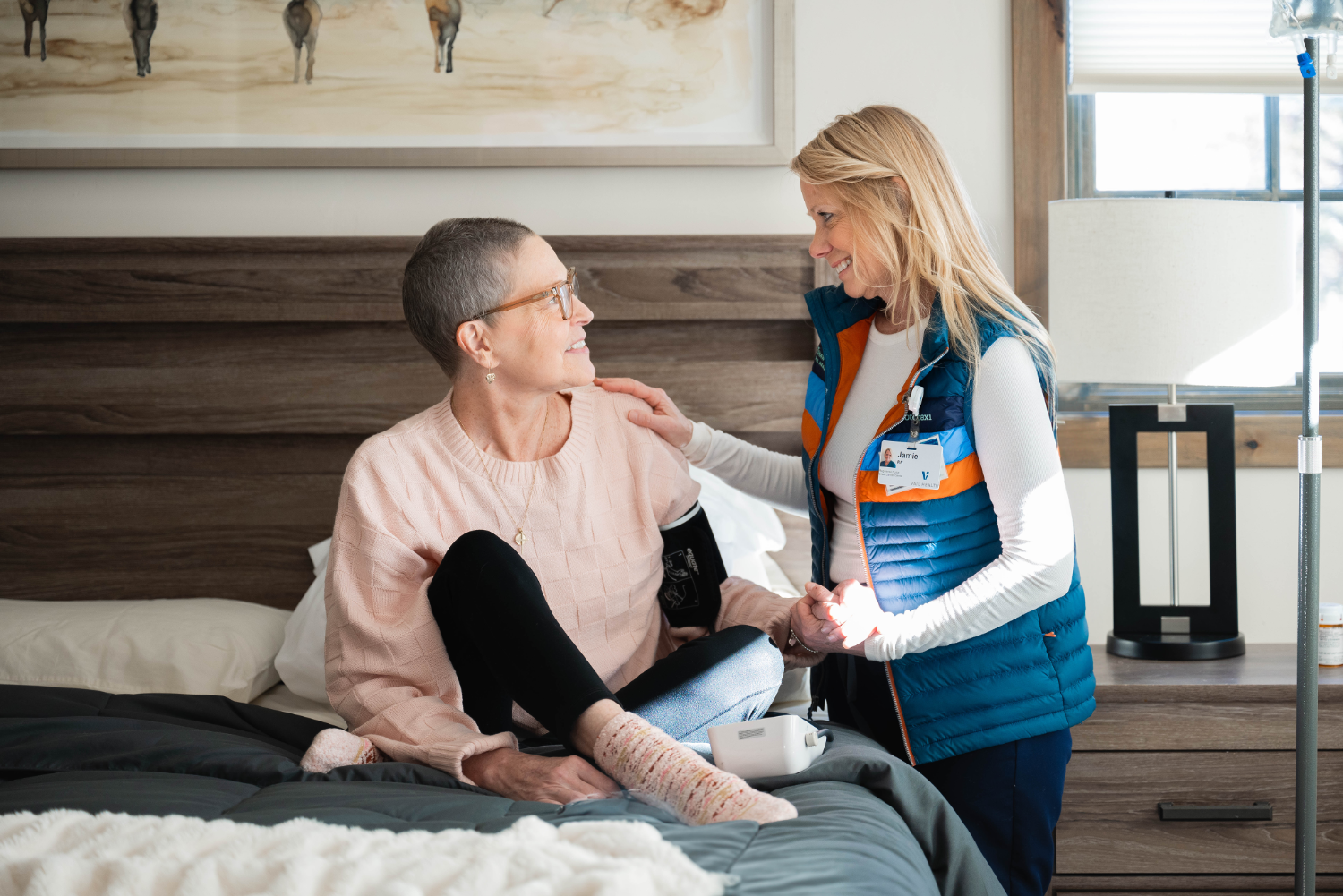
Vail, CO (July 15, 2019) – Colorado Mountain Medical (CMM) and Vail Health announced Monday the two longtime local health care providers have signed an agreement to enhance their partnership by merging the two entities. CMM’s group of 37 trusted, knowledgeable primary care and specialty clinicians will complement Vail Health’s comprehensive health care system to help patients live healthy, active lives.
Vail Health President & CEO Will Cook says integrating CMM’s primary care physicians, specialists and providers into Vail Health will help align patients’ health care needs. “Together, we will improve access, connect patients with the right care at the right time and make health care more affordable for our community,” said Cook.
Vail Health and Colorado Mountain Medical have deep roots in the valley and believe in keeping health care services, specialists and decisions local. CMM CEO Brooks Bock, MD says combined resources will result in a more efficient and effective health care approach.
“Patients will experience the same trusted providers and same convenient locations. This new partnership creates an opportunity to optimize patient care by leveraging greater access to health care services and resources in our community,” said Bock.
By partnering to manage patient care, CMM and Vail Health hope to proactively keep the community healthy. Vail Health will help bring more primary care providers to the practice to ensure patients are seen on a regular basis. “A focus on prevention helps people live healthier and longer lives,” explained Cook.
Overall wellness also helps prevent more costly visits to specialists, urgent care and the Emergency Department. However, if patients need emergency attention, hospitalization or even senior care, this new model will ensure seamless care across the health care landscape. “By being one organization, we can make these transitions smooth and consistent,” said Cook.
Vail Health will also provide resources to hire more medical specialists to manage chronic diseases. In addition, some of the $60 million Vail Health has dedicated to behavioral health over the next 10 years will be used to hire behavioral health specialists who work directly with CMM’s clinicians. “If we’re providing primary care to this community, we need to treat each patient’s body and mind,” explained Cook. “We want physicians to have integrated relationships with the therapists in our community so that patients can get the help they need quickly and efficiently.”
Colorado Mountain Medical will also harness Vail Health’s systems over time to integrate medical records and improve communications across providers and services. Vail Health is also working on an initiative to improve price transparency for services provided.
“Our physicians want to spend their time caring for patients, but increased regulations in health care demands significant time and attention,” said Dr. Bock. “Joining with Vail Health allows our team to focus on providing excellent patient care while the health system manages elements of the business side.”
“Colorado Mountain Medical has enjoyed a longstanding relationship with Vail Health, and we’ve worked closely with their providers and staff over the years,” explains Janet Engle, MD, a pediatrician and president of Colorado Mountain Medical. “It’s exciting to officially come together. This partnership will have direct benefits for all of our patients and the community.”
About Colorado Mountain Medical
Colorado Mountain Medical is a team of primary care physicians, specialists and other practitioners with offices in Vail, Eagle and Avon, Colorado. Patients have access to total family care from wellness and preventative medicine to specialized care for the treatment of injury or illness. On-site access to x-ray, CT scan, ultrasound and laboratory services provides an even higher level of care and service to patients. In addition, CMM offers urgent care services, providing same-day and walk-in appointments for patients with acute injury or illness. For more information, visit www.cmmhealth.org.
About Vail Health
Vail Health, formerly Vail Valley Medical Center, is a nonprofit community health care system with 12 locations across Eagle and Summit counties. Vail Health offers a 56-bed hospital, 24/7 emergency care, helipad, urgent care clinics, cancer care, breast centers, cardiovascular services, surgery, childbirth, physical therapy, internal medicine, endocrinology and more. Locally operated and governed by a volunteer board of directors, Vail Health invested $14 million back into the community last year. For more information, visit www.vailhealth.org.