


News
Mental health stressors peak in Colorado mountain communities as the winter-that-wasn’t melts into offseason
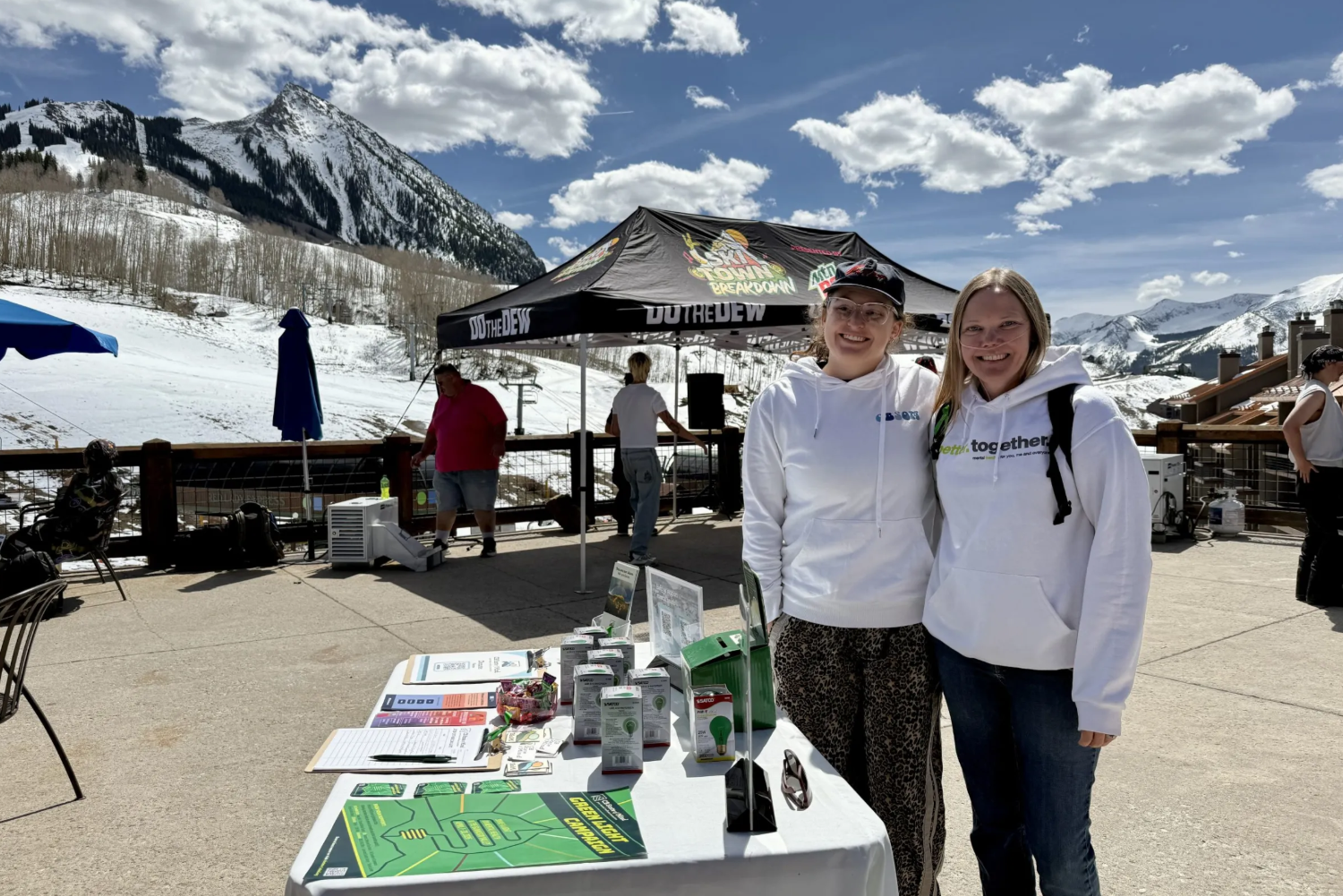
Demand for counseling is pacing well above last year as communities empty, costs rise and work ebbs. “It feels like tension is really high.”
The mountains closed early. The skiing was not great. Workers dependent on ski crowds didn’t bank the cash they wanted to cover things like the soaring cost of health insurance and housing.
The pressures on mountain-town workers are high this spring as the high-country transition season descends.
“There is a lot of anxiety. People are stressed and they are anxious with limited resources,” says Meghan Dougherty, the executive director of CB State of Mind, which helps Gunnison County locals better address their mental health. “I’m worried.”
Her peers in other mountain valleys are equally concerned this offseason as a growing tangle of stressors take root. Demand for counseling is high, with a surge in the first months of this year. That’s a good sign that people are recognizing their own need for help and seeking assistance but it also indicates that trouble is brewing.
The offseason is typically a tough stretch in ski towns. Businesses close and a lot of people leave for a change of scenery. The isolation can push people into dark places. Without work or skiing, substance abuse climbs.
The Vail Health Crisis and Community Support Team conducted 17 interventions with locals who called the crisis line in January. That number climbed to 34 in February and 31 in March.
More than one evaluation a day is “a significant uptick” from previous shoulder seasons, said Dr. Paige Baker-Braxton, the director of outpatient behavior health for Vail Health.
The Vail Health crisis team, which offers round-the-clock response to people needing mental health support, is busy with calls from more people who are “acutely suicidal,” Baker-Braxton said.
The Eagle River Valley, from Vail to Gypsum, has a robust system to respond to people in crisis, developed over the last decade as the average number of annual suicides climbed to more than 10, from seven in the previous decade. It’s not just the 24-hour crisis team and hotline “but community members creating connections,” Baker-Braxton said.
“We have a lot of people calling because they have no one else,” she said. “The biggest thing we can do right now is focus on generating community. You do not have to be a psychologist or psychiatrist to help someone dealing with isolation and hopelessness.”
Read the full article
More News
-
New!
More
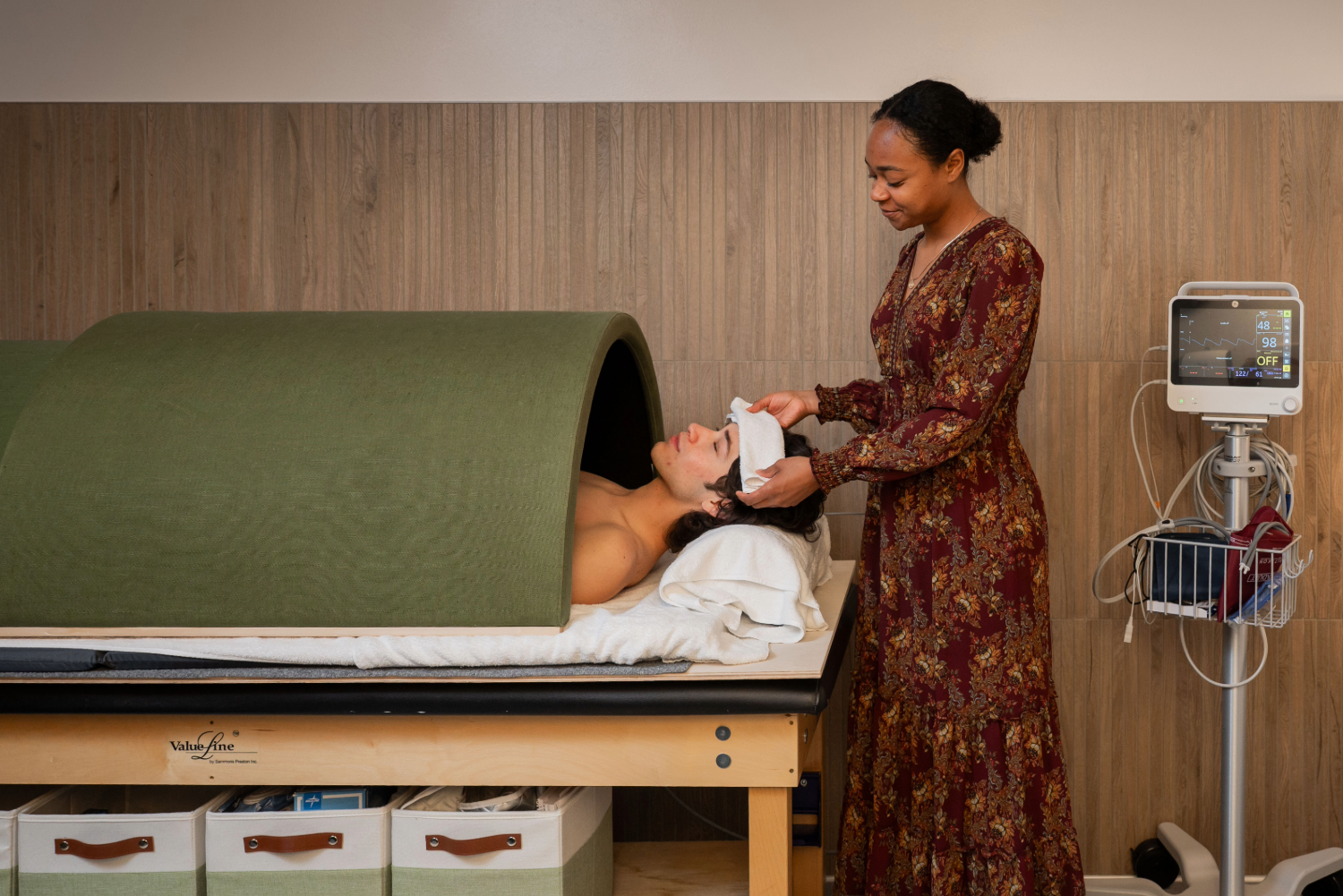
Hot, Cold and Mental Health: Inside Vail Health’s CHILL’D Research Study
Depression, a mental illness affecting more than 18% of American adults, has no blood marker or single biological cause. It looks and feels different in everyone because the brain is a complex organ, and there is no single way that depression develops. Like many mental health conditions, depression can be treated through medical, pharmaceutical and alternative approaches. One promising avenue under study at Vail Health’s Behavioral Health Innovation Center is contrast therapy — combining sauna and cold plunge treatments.
-
New!
More

What to Expect Before, During and After a Colonoscopy
If you've been putting off a colonoscopy, you're not alone. It's one of the most recommended — and most avoided — preventive screenings in medicine. But here's what most people don't realize until after their first one: the procedure itself is a non-event. You're asleep. You don't feel a thing. What people actually dread, and what they talk about afterward, is the prep. The good news is that even the prep is manageable, and the payoff is enormous. Colorectal cancer is one of the most preventable cancers when caught early. A colonoscopy doesn't just detect it; in many cases, it stops cancer before it starts.
-
New!
More

Navigating Men’s Sexual Health: Erectile Dysfunction and the Bigger Picture
For something so common — and treatable — erectile dysfunction (ED) is still surprisingly difficult to talk about. “The biggest misconception men have is that there’s a mechanical or physical problem with them, and that’s usually not the case,” explains Dr. Joseph Dall’Era, a urologist at Vail Health. In reality, ED is far more nuanced and manageable than people realize. Understanding what’s happening and knowing when to speak up can shift the experience.