


News
Modern Loneliness in Adults: Parenting, Partnership and the Myth of Having It All

Your calendar is packed. Your phone is constantly buzzing. And yet, somewhere between the school drop-offs, work deadlines and late-night scrolling, you feel more alone than ever.
We live in a world where connection is constant, but closeness feels optional. With group texts, social media and a world on demand, it’s possible to get through an entire week without having a meaningful in-person conversation. The result? A false sense of connection and a growing isolation that many adults carry in silence.
Loneliness doesn’t always have to look like being alone. Often, it shows up when people surround you and still feel unseen.
The Loneliness Paradox
Technology has made it easier to stay in touch, but harder than ever to stay connected. Texts replace conversations, and likes stand in for support. Digital communities can be valuable, but they often lack the depth we need.Chronic loneliness can impact both mental and physical health, including the following:
- Depression and/or anxiety
- Disconnectedness or low self-worth
- Social withdrawal
- Unhealthy habits
- Sleep disturbances
- Chronic fatigue
- Weakened immunity
The Pressure Cooker of “Having It All”
When everyone looks like they’re thriving, it’s easy to play the comparison game and feel like you’re falling behind.“The idea of having it all is amplified here because it’s easy to look around and see people's homes, families and everything they do,” explains Skylar Hertzfeld, a Vail Health Behavioral Health therapist.
The myth of “having it all” suggests you can be a present parent, a supportive partner, a successful professional, a caring friend and an endlessly adventurous human simultaneously. But most people are just trying to stay afloat.
Here’s the thing: you can have it all, just not all at once. Chasing that impossible work-life balance leads to parental burnout, resentment and a disconnect from the people we care about most. Here’s what you can do to restore that balance:
1. Values First
“Your values ebb and flow depending on where you are in life,” Hertzfeld says. “When you don’t know your values, you can start neglecting the things that are important, which creates a quiet misalignment.”Defining what matters right now helps create boundaries that protect your energy. Hertzfeld recommends reviewing your calendar and asking a simple question: Does this reflect my values? If your schedule is packed with obligations but leaves no room for friendship, rest or connection with your partner, loneliness can creep in even when life looks full. Clarifying your values gives you permission to say yes or no with intention.
2. Start Smaller Than You Think
Rekindling friendships can feel daunting, but reconnection doesn’t require a grand gesture, just a first step.“Send a quick text to say 'I’m thinking of you,’ or reminisce on a moment that reminded you of that person,” suggests Hertzfeld. “People love to receive those messages, and they tend to come through when you need them the most.”
Then, take it one step further: make a plan, and put it on the calendar. Moving the connection out of the group chat and into real life is where momentum builds.
3. Why In-Person Still Matters
In-person connection leaves you feeling more fulfilled than a phone call. You pick up on non-verbal cues: tone, body language and facial expressions that create a sense of safety and empathy.If you rely on texts to catch up, try inviting someone to meet up. More often than not, people are craving the same thing and waiting for someone to make the first move.
4. Partnership is Built in the Small Moments
Connection isn’t always about big actions; sometimes it’s about brief moments.Emotional isolation in relationships can exist even when you share a home. Recognizing your partner’s bids for connection, those small attempts to engage, touch or talk, can make a powerful difference.
Pausing to respond, even briefly, sends a message: I see you. The dishes can wait. The email can sit for another minute. Those micro-moments add up to emotional closeness over time.
Another way to connect: doing the things you love together. “Plan a date night or day around the activities that originally brought you together,” says Kady Svitak, a Vail Health Behavioral Health therapist. You might have to get creative with timing, but those shared moments build strong bonds.
5. Community Starts When You Show Up
A sense of belonging grows where routines meet shared interests. “Getting involved in natural spaces where people come together creates a sense of community,” says Svitak. That might mean going to the same fitness class each week, becoming a regular at a coffee shop or joining a group built around a shared interest.In the Vail Valley, there is plenty of opportunity for every person and every passion. A few alternative suggestions include:
- Alpine Arts Center and Dewey Dabbles in Art: art classes and events.
- Table Top Gaming: Weekly Pokémon Leagues and game nights.
- Maker + Stitch: Weekly social Sitch + Bitch gatherings to sit and knit or crochet.
- Healthy Happy Hour: Skip cocktail hour and join a wellness group for weekly outdoor activities.
- Vail Valley Running Club: Weekly meet-ups for all running levels.
When Loneliness Signals Something More
If loneliness starts to feel heavy, persistent or shows up physically, it might be time to get support to manage stress. Behavioral health professionals at Vail Health Behavioral Health offer therapy, mental health services and crisis support.Loneliness isn’t a personal failure; it’s a human signal to remind us that we’re wired for connection. And sometimes, the bravest thing you can do is to let someone know you don’t want to feel alone anymore.
If you or someone you know are struggling and need immediate assistance, please call the free 24/7 crisis hotline at 970-306-4673.
More News
-
New!
More
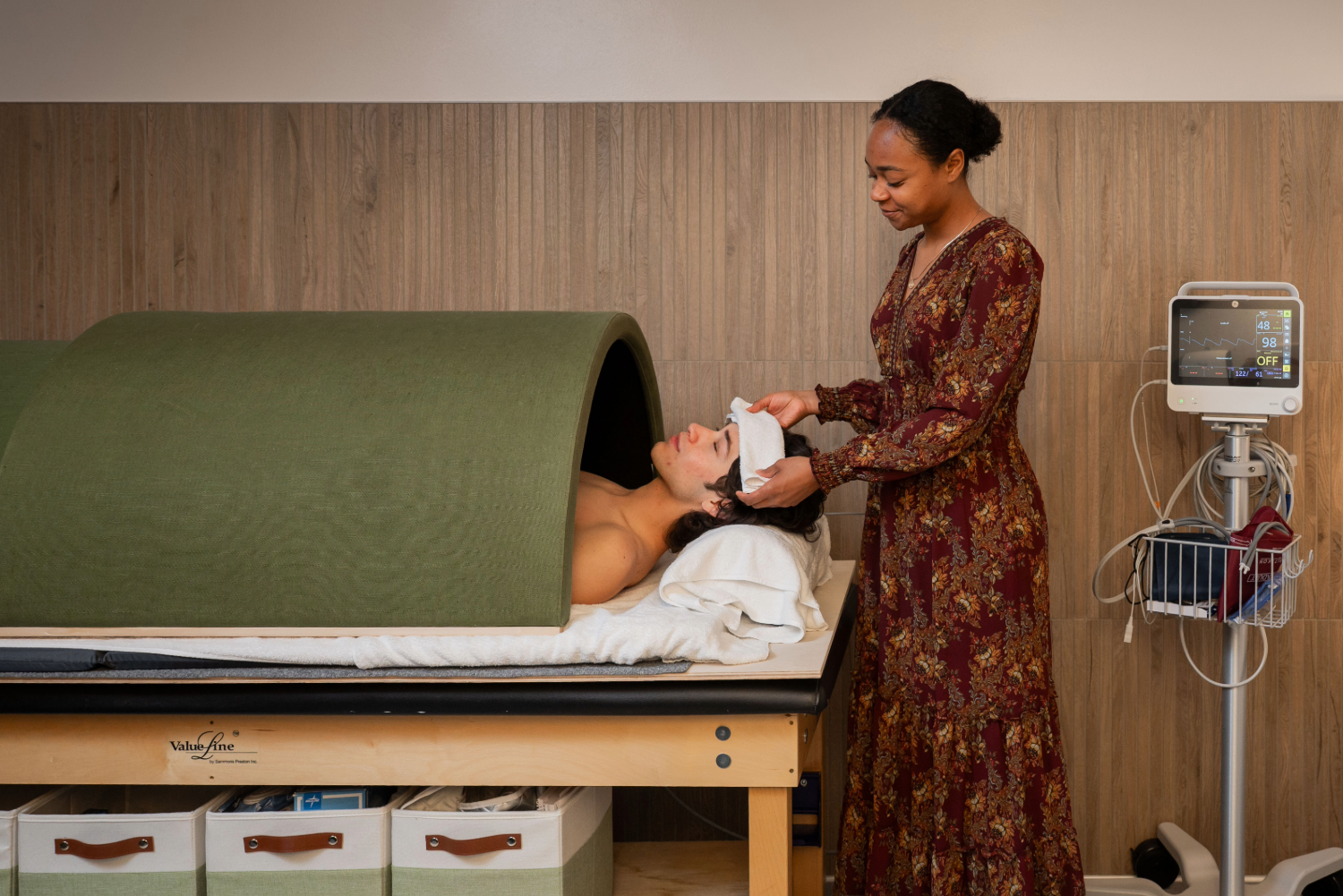
Hot, Cold and Mental Health: Inside Vail Health’s CHILL’D Research Study
Depression, a mental illness affecting more than 18% of American adults, has no blood marker or single biological cause. It looks and feels different in everyone because the brain is a complex organ, and there is no single way that depression develops. Like many mental health conditions, depression can be treated through medical, pharmaceutical and alternative approaches. One promising avenue under study at Vail Health’s Behavioral Health Innovation Center is contrast therapy — combining sauna and cold plunge treatments.
-
New!
More

What to Expect Before, During and After a Colonoscopy
If you've been putting off a colonoscopy, you're not alone. It's one of the most recommended — and most avoided — preventive screenings in medicine. But here's what most people don't realize until after their first one: the procedure itself is a non-event. You're asleep. You don't feel a thing. What people actually dread, and what they talk about afterward, is the prep. The good news is that even the prep is manageable, and the payoff is enormous. Colorectal cancer is one of the most preventable cancers when caught early. A colonoscopy doesn't just detect it; in many cases, it stops cancer before it starts.
-
New!
More

Navigating Men’s Sexual Health: Erectile Dysfunction and the Bigger Picture
For something so common — and treatable — erectile dysfunction (ED) is still surprisingly difficult to talk about. “The biggest misconception men have is that there’s a mechanical or physical problem with them, and that’s usually not the case,” explains Dr. Joseph Dall’Era, a urologist at Vail Health. In reality, ED is far more nuanced and manageable than people realize. Understanding what’s happening and knowing when to speak up can shift the experience.