


Healthspan & Wellness
The Role of Recovery and Sleep in Maximizing Strength and Longevity

You can crush your workouts, lift heavier weights, and hit personal bests week after week, but if you’re not prioritizing recovery, you’re leaving gains on the table and potentially risking burnout. Recovery isn’t just a break, nor is it “for the weak;” recovery is where the magic happens. Pair recovery with quality sleep, and you have a formula for strength, resilience, and a longer, healthier life. Dr. Matthew Walker, author of Why We Sleep, reminds us, “Sleep is the greatest legal performance-enhancing drug that most people are probably neglecting.”
When you’re asleep, your body is busy repairing muscle tissue, balancing hormones, and consolidating memories. It’s the foundation of healthspan, where strength meets longevity.
Why Recovery Matters
Recovery is more than just feeling less sore after a tough session. It’s when your muscles rebuild stronger, your nervous system recalibrates, and your mind regains focus. Without proper recovery, you risk overtraining, injury, and a plateau in progress. The best part? Recovery practices amplify the benefits of strength training and progressive overload, ensuring your hard work pays off.The Sleep-Strength Connection
Sleep is your ultimate recovery tool. During deep sleep, your body releases growth hormones that are essential for muscle repair and regeneration. “Shortchanging yourself of deep sleep doesn’t just leave you tired—it can disrupt hormone balances, slow recovery, and even impact cognitive and immune function,” explains Dr. Ashley Mason, professor of psychiatry and behavioral sciences and director of the UCSF Osher Center Sleep Clinic.Over time, chronic sleep deprivation can erode your healthspan, undermining the very foundation of longevity. Aim for 7-9 hours of quality sleep each night, and consider the following science-backed tips to optimize your sleep:
- Stick to a schedule: Go to bed and wake up at the same time every day, even on weekends.
- Create a sleep sanctuary: Keep your bedroom cool, dark, and free of screens.
- Limit stimulants: Avoid caffeine and heavy meals in the hours before bed.
- Wind down: Incorporate calming activities like reading, meditation, or light stretching before bed.
Active Recovery: Moving to Heal
Recovery doesn’t always mean total rest. Active recovery, like low-intensity movement that promotes blood flow and reduces muscle stiffness, is a powerful tool. Activities like yoga, walking, or swimming can speed up recovery while maintaining momentum. Think of it as a way to reset without taking your foot off the gas.Nutrition and Hydration: Fuel for Recovery
What you eat and drink post-workout directly impacts your recovery. Protein is essential for muscle repair, while carbohydrates replenish glycogen stores. Don’t forget hydration—even mild dehydration can delay recovery and sap your strength. Aim for a protein-rich meal or shake within two hours of exercise and drink water consistently throughout the day.Stress Management: The Overlooked Pillar
Chronic stress can derail recovery and shorten your healthspan. Elevated cortisol levels not only impede muscle repair, but also affect sleep quality and immune function. Incorporate stress-busting practices like mindfulness, deep breathing, or spending time in nature to keep cortisol in check and maximize recovery.Integrating Recovery Into Your Routine
Here’s how to make recovery a priority without overhauling your life:- Schedule rest days: Incorporate 1-2 active recovery days into your weekly routine.
- Prioritize sleep: Treat your bedtime as non-negotiable.
- Fuel smart: Focus on whole, nutrient-dense foods that support recovery.
- Listen to your body: Take extra rest if you’re feeling overly fatigued or stressed.
- Use tools: Foam rollers, massage guns, and stretching routines can aid muscle recovery.
Recovery Is Strength
Recovery and sleep aren’t just about feeling better after a workout—they’re about maximizing your potential. By prioritizing these pillars, you’ll not only build a stronger, more resilient body, but also extend your healthspan. Strength and longevity go hand in hand, and recovery is the bridge that connects them. Remember, your health is your shield. Protect it by giving your body and mind the time they need to recharge, rebuild, and thrive.More News
-
New!
More
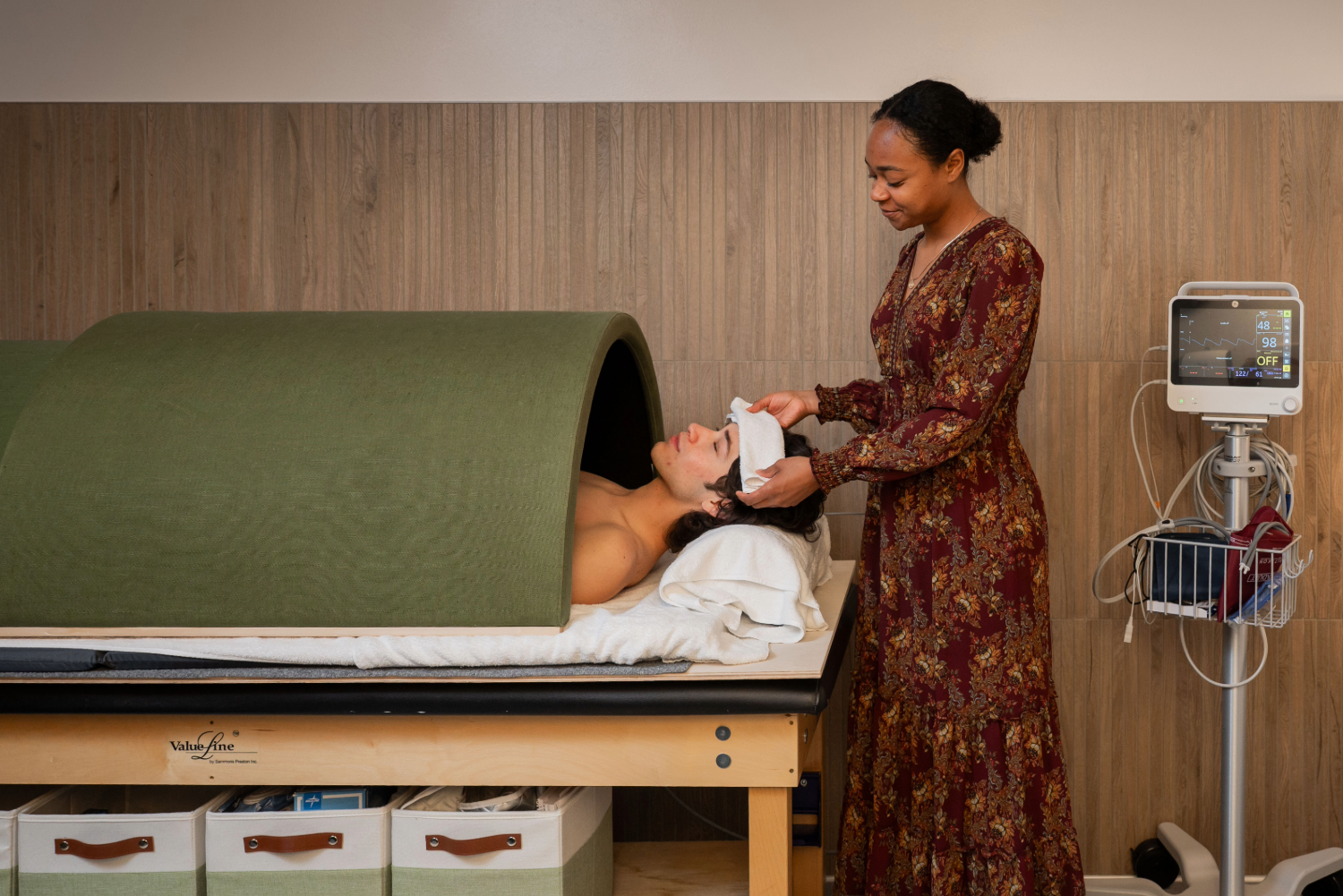
Hot, Cold and Mental Health: Inside Vail Health’s CHILL’D Research Study
Depression, a mental illness affecting more than 18% of American adults, has no blood marker or single biological cause. It looks and feels different in everyone because the brain is a complex organ, and there is no single way that depression develops. Like many mental health conditions, depression can be treated through medical, pharmaceutical and alternative approaches. One promising avenue under study at Vail Health’s Behavioral Health Innovation Center is contrast therapy — combining sauna and cold plunge treatments.
-
New!
More

What to Expect Before, During and After a Colonoscopy
If you've been putting off a colonoscopy, you're not alone. It's one of the most recommended — and most avoided — preventive screenings in medicine. But here's what most people don't realize until after their first one: the procedure itself is a non-event. You're asleep. You don't feel a thing. What people actually dread, and what they talk about afterward, is the prep. The good news is that even the prep is manageable, and the payoff is enormous. Colorectal cancer is one of the most preventable cancers when caught early. A colonoscopy doesn't just detect it; in many cases, it stops cancer before it starts.
-
New!
More

Navigating Men’s Sexual Health: Erectile Dysfunction and the Bigger Picture
For something so common — and treatable — erectile dysfunction (ED) is still surprisingly difficult to talk about. “The biggest misconception men have is that there’s a mechanical or physical problem with them, and that’s usually not the case,” explains Dr. Joseph Dall’Era, a urologist at Vail Health. In reality, ED is far more nuanced and manageable than people realize. Understanding what’s happening and knowing when to speak up can shift the experience.