


News
Your Body’s Hidden Powerhouse: A Strong Core Includes a Strong Pelvic Floor
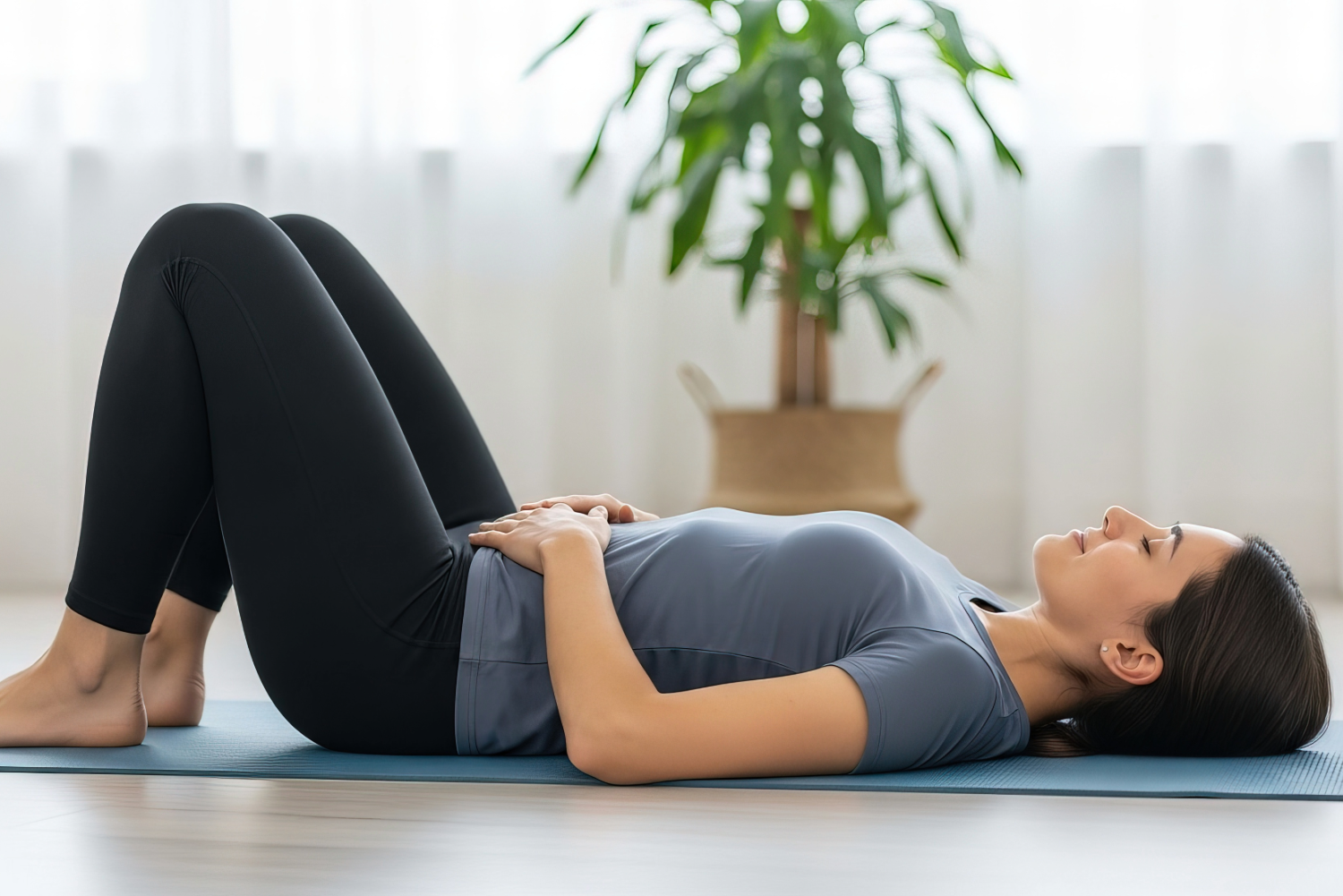
Many of us who live and play in the mountains are obsessed with our fitness and health. We hike, bike and run for heart health. We lift weights for muscle mass and bone health. Some might do Kegel exercises, but other than that, most of us don’t think about (or understand) the importance of our pelvic floor for long-term health and longevity.
“The pelvic floor, as it weakens, can lead to significant quality of life symptoms,” explains Dr. Joseph Dall’Era, a urologist at Vail Health.
The Cost of a Weak Pelvic Floor
Two of the most common issues Dall’Era sees in his clinic are incontinence and overactive bladders, both of which can be caused by pelvic floor dysfunction.“Incontinence is obviously very debilitating for one’s quality of life,” he says. “Men and women suffer from incontinence for different reasons. Women, unfortunately, deal with it more often than men.”
While incontinence mostly affects older people, an overactive bladder can affect anyone, at any age. For young children, it may be the result of not emptying completely when they use the bathroom or clenching muscles when they should relax. For adults, an overactive bladder is often exacerbated by dietary habits.
“Anybody with overactive bladder symptoms should seek advice,” Dall’Era says. “It’s not uncommon.”
Incontinence is one of the reason many people stop the activities they love – effectively hastening their physical decline and compromising their quality of life.
Why Core Strength Isn’t Just About Abs
“The pelvic floor is the gatekeeper for bladder and bowel incontinence,” says Stephanie Drew, a doctor of physical therapy and board-certified women’s health specialist with Vail Health Howard Head Sports Medicine. “The pelvic floor is an important, but often misunderstood part of your core. It should function with your abdominal muscles to help manage pressure in the trunk and pelvis. When people think of the pelvic floor, they often think of Kegels. Kegels involved engaging the muscles that stop urine or bowel movements. Kegels on their own are helpful in certain situations (think immediate postpartum when the muscles have been stretched), but this is only part of the picture.”According to Drew, the pelvic floor is needed to lift and tighten when pressure in the abdomen and pelvis increases. This helps prevent incontinence.
“We also need it to relax,” says Drew. “No muscle in your body wants to be ‘on’ all the time. If the pelvic floor is unable to relax, it causes another set of problems including constipation and difficulty fully emptying the bladder.”
Physical therapy can help you with the brain/body connection of when and how to lift and tighten versus lengthen and soften the pelvic floor muscles.
Treatment Beyond Surgery
Many patients mistakenly assume that conditions such as overactive bladder, incontinence and even pelvic organ prolapse (when the uterus and bladder drop down in the pelvis after childbirth and with age) are not treatable without surgery. In fact, there are a number of non-invasive treatments for most conditions, including medication and physical therapy.“That’s the beauty of physical therapy,” Dall’Era says. “It’s something you learn, and then can do at home.”
He urges patients to seek help as soon as they begin to have symptoms.
“Physical therapy cannot fix everything, but we can do a lot more than people realize,” Drew says. Even pelvic organ prolapse may be treatable without surgery.
Dall’Era rarely suggests surgery as the first option for his patients.
“Usually, almost everything should go through trial for physical therapy,” he says. “As far as surgery goes, for me, it’s really a quality-of-life decision. There are not a lot of indications where we will tell somebody, ‘You have to have surgery or you’re going to suffer some devastating consequences.’ It’s almost always related to ‘How much does this bother you?’”
There are some actions people can take to help create a healthy pelvic floor.
- Balance strength with stretching: Add yoga or some foam rolling into your weekly routines.
- Don’t overdo Kegels: If your muscles are tight, excessive Kegels can make symptoms worse. Focus on both contraction and relaxation.
- Breathe intentionally: Deep, diaphragmatic breathing helps relax the pelvic floor and supports core function.
- Mind your posture: Good alignment supports pelvic health and reduces unnecessary tension.
- Seek help early: If you experience leakage, urgency or discomfort, a pelvic floor physical therapist can help — often without surgery.
Building (and Relaxing) a Resilient Core
If you are not having a problem, continue your quest for a strong and active life, but remember to balance strength with mobility. Drew recommends considering adding a Kegel into the core exercises you are already doing, but no need to add them as a separate exercise. If you are having any type of pelvic pain, stop doing Kegels and check in with your healthcare provider. Ultimately, your pelvic floor is a small, but important part of you as a whole person. Paying attention to it can help you stay active and confident for decades to come. With the right balance of strength and mobility, your core can support you through a lifetime of movement.
More News
-
New!
More
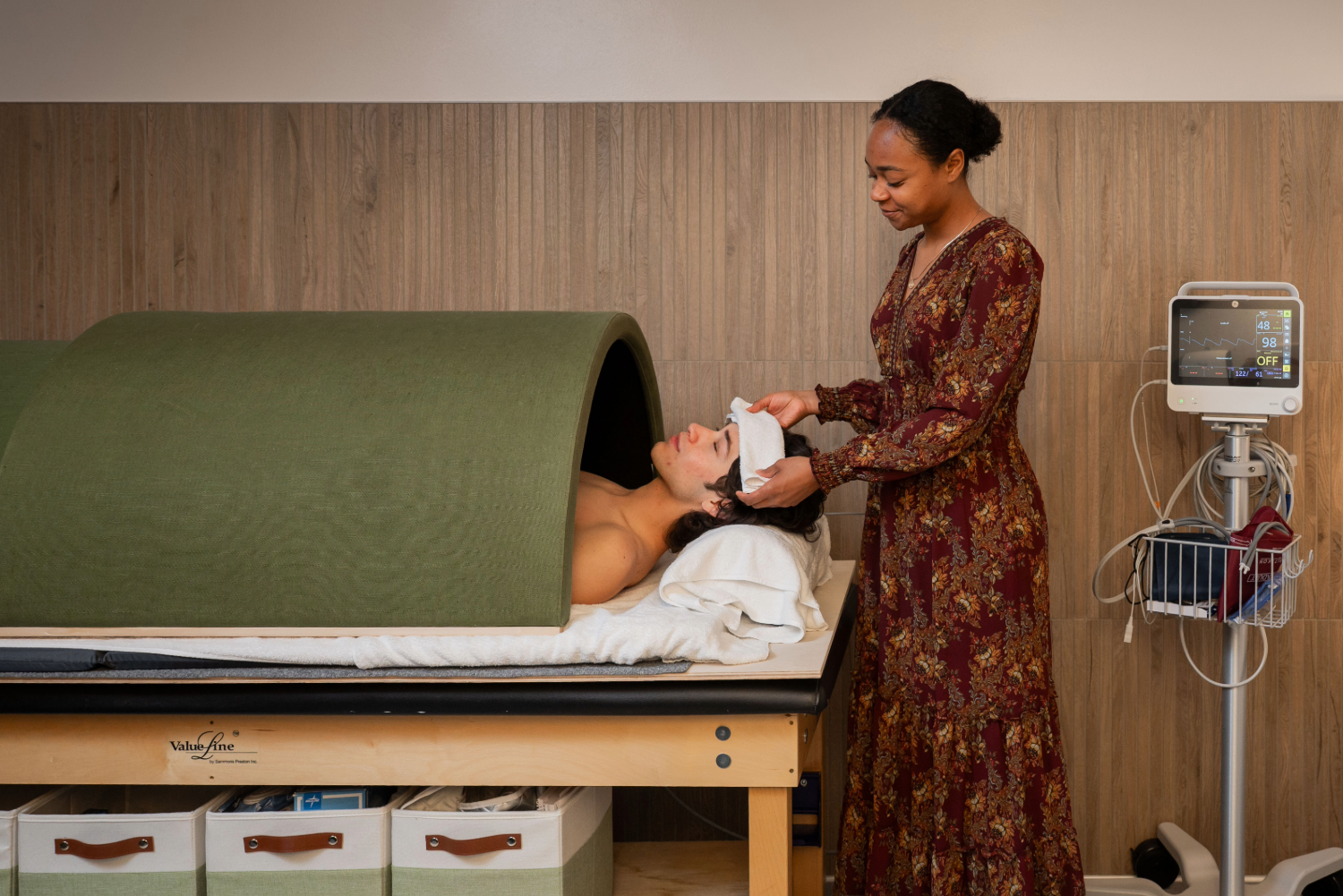
Hot, Cold and Mental Health: Inside Vail Health’s CHILL’D Research Study
Depression, a mental illness affecting more than 18% of American adults, has no blood marker or single biological cause. It looks and feels different in everyone because the brain is a complex organ, and there is no single way that depression develops. Like many mental health conditions, depression can be treated through medical, pharmaceutical and alternative approaches. One promising avenue under study at Vail Health’s Behavioral Health Innovation Center is contrast therapy — combining sauna and cold plunge treatments.
-
New!
More

What to Expect Before, During and After a Colonoscopy
If you've been putting off a colonoscopy, you're not alone. It's one of the most recommended — and most avoided — preventive screenings in medicine. But here's what most people don't realize until after their first one: the procedure itself is a non-event. You're asleep. You don't feel a thing. What people actually dread, and what they talk about afterward, is the prep. The good news is that even the prep is manageable, and the payoff is enormous. Colorectal cancer is one of the most preventable cancers when caught early. A colonoscopy doesn't just detect it; in many cases, it stops cancer before it starts.
-
New!
More

Navigating Men’s Sexual Health: Erectile Dysfunction and the Bigger Picture
For something so common — and treatable — erectile dysfunction (ED) is still surprisingly difficult to talk about. “The biggest misconception men have is that there’s a mechanical or physical problem with them, and that’s usually not the case,” explains Dr. Joseph Dall’Era, a urologist at Vail Health. In reality, ED is far more nuanced and manageable than people realize. Understanding what’s happening and knowing when to speak up can shift the experience.