

News
What to Eat During a Pandemic
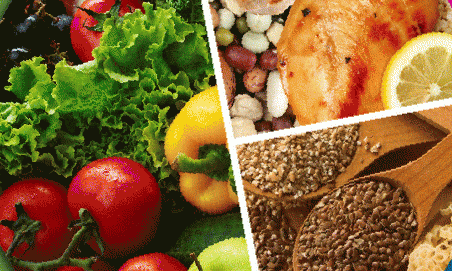
Going through a pandemic is stressful for a variety of reasons. Eating the right foods can improve your mood, lower your stress and support your immune system. When it comes to food, limitations on what is available at grocery stores, fear of contracting the virus while getting groceries or takeout, and possible food insecurity as a result of income loss are valid stressors. Lauren Larson, MS, RDN, registered dietitian nutritionist at Vail Health shares nutritional tips during a pandemic.
Food Safety Concerns
For COVID-19, there is currently no evidence that it is transmitted through food or water but general food safety is still important. Before preparing AND eating food, wash your hands with soap and water for at least 20 seconds. Clean and disinfect countertops after putting away groceries or plating up takeout.
Access to Food
If you are experiencing limited access to food The Community Market is a great resource. The Community Market is a partnership of Eagle Valley Community Foundation, Food Bank of the Rockies, Eagle County government, Vail Resorts, a number of community non profit groups and other entities that provide local food assistance.
What to Eat
To support your immune system, focus on eating a variety of nutrient-rich foods.
1. Regular staples should include:
- Sweet potatoes
- Carrots
- Broccoli
- Bell peppers
- Citrus fruits
- Eggs
- Beans and lentils
- Nuts and seeds
- Whole grains
- Kefir
- Tofu
- Seafood
- Lean meat
- Poultry
- Eggs
- Plant sources (soy, beans, lentils, nuts, seeds) are particularly helpful for healing and recovery.
- For canned fruits, look for those “canned in juice”.
- For canned vegetables, drain and rinse to remove some of the sodium or purchase “low-sodium”.
If you think you may have COVID-19, click here for testing options. For the most up-to-date information on COVID-19, click here to reach local and federal government agencies.
About:
For more information on nutrition and dietitian services, visit vailhealth.org/nutrition. To schedule an appointment call (970) 479-5058. Lauren Larson, MS, RDN is a registered dietitian nutritionist at Vail Health.
More News
-
More
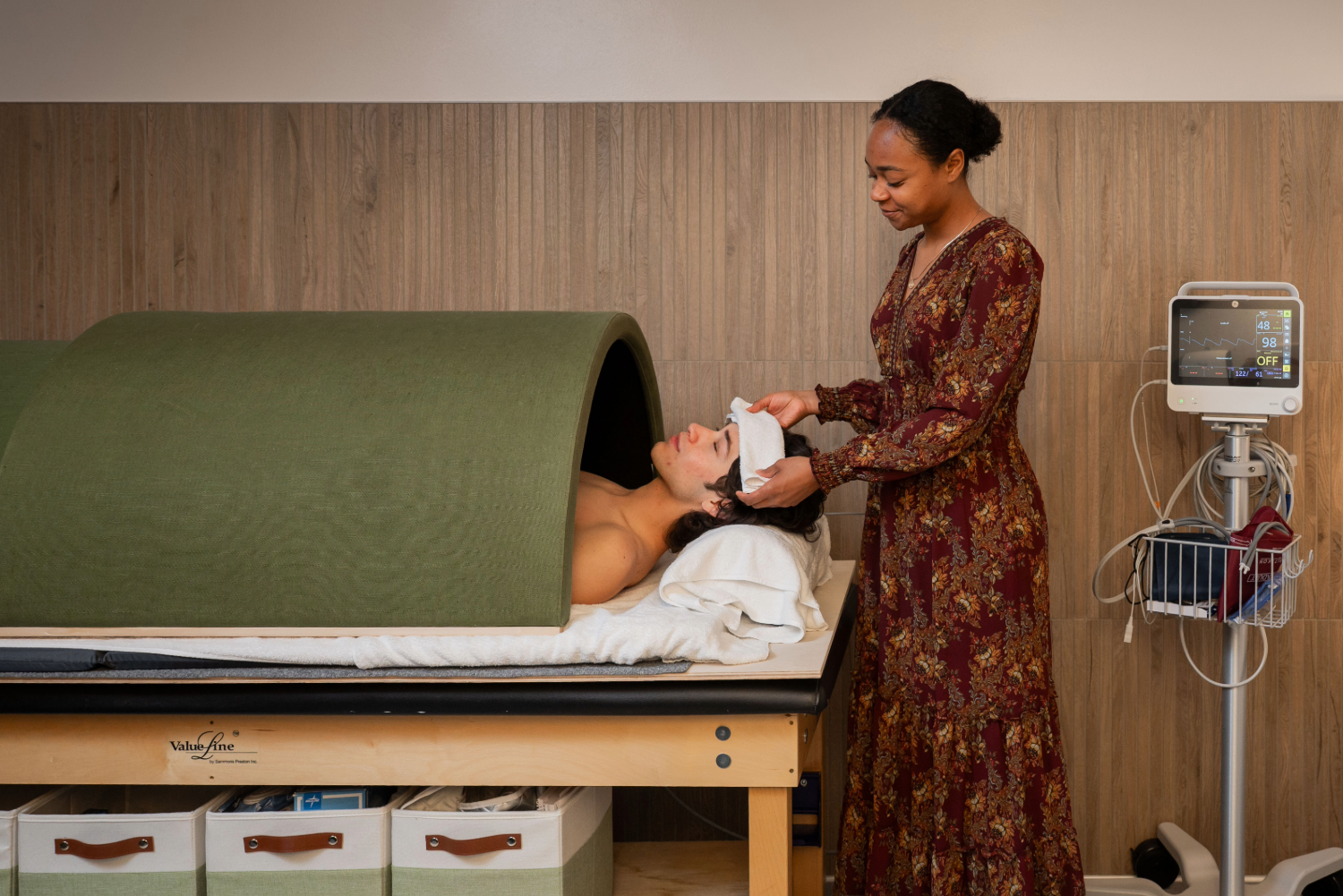
Hot, Cold and Mental Health: Inside Vail Health’s CHILL’D Research Study
Depression, a mental illness affecting more than 18% of American adults, has no blood marker or single biological cause. It looks and feels different in everyone because the brain is a complex organ, and there is no single way that depression develops. Like many mental health conditions, depression can be treated through medical, pharmaceutical and alternative approaches. One promising avenue under study at Vail Health’s Behavioral Health Innovation Center is contrast therapy — combining sauna and cold plunge treatments.
-
More

What to Expect Before, During and After a Colonoscopy
If you've been putting off a colonoscopy, you're not alone. It's one of the most recommended — and most avoided — preventive screenings in medicine. But here's what most people don't realize until after their first one: the procedure itself is a non-event. You're asleep. You don't feel a thing. What people actually dread, and what they talk about afterward, is the prep. The good news is that even the prep is manageable, and the payoff is enormous. Colorectal cancer is one of the most preventable cancers when caught early. A colonoscopy doesn't just detect it; in many cases, it stops cancer before it starts.
-
More

Navigating Men’s Sexual Health: Erectile Dysfunction and the Bigger Picture
For something so common — and treatable — erectile dysfunction (ED) is still surprisingly difficult to talk about. “The biggest misconception men have is that there’s a mechanical or physical problem with them, and that’s usually not the case,” explains Dr. Joseph Dall’Era, a urologist at Vail Health. In reality, ED is far more nuanced and manageable than people realize. Understanding what’s happening and knowing when to speak up can shift the experience.