


News
Vail Health provides direction to those overwhelmed by modern health care options for longevity

The future of medicine has arrived, and it brings with it a lot of confusion. From tests to supplements, dietary and exercise advice, it is often difficult to know how to use new medical information and technology to live a longer and healthier life.
Vail Health is trying to help answer some of those questions.
The health care system hosted an event on the future of medical prevention Thursday morning at the Singletree Pavilion. The event, part of the health care system’s wellness speaker series, brought together three of its experts — primary care physician Dr. Melissa O’Meara, interventional cardiologist Dr. Kate Schuetze and Vail Health Behavioral Health Executive Director Chris Lindley — to share the actual steps everyone should be taking to live long and healthy lives.
Before looking to the wide variety of medical interventions available in the modern age, from testing to supplements and medications, Lindley advised the audience to start with the basics.
“Think about the healthiest 80-year-old you know,” Lindley said. “They exercise, they sleep, the probably lift weights, they have some type of purpose, they have friends, community, and they play.”
Read the full story on VailDaily.com >
More News
-
New!
More
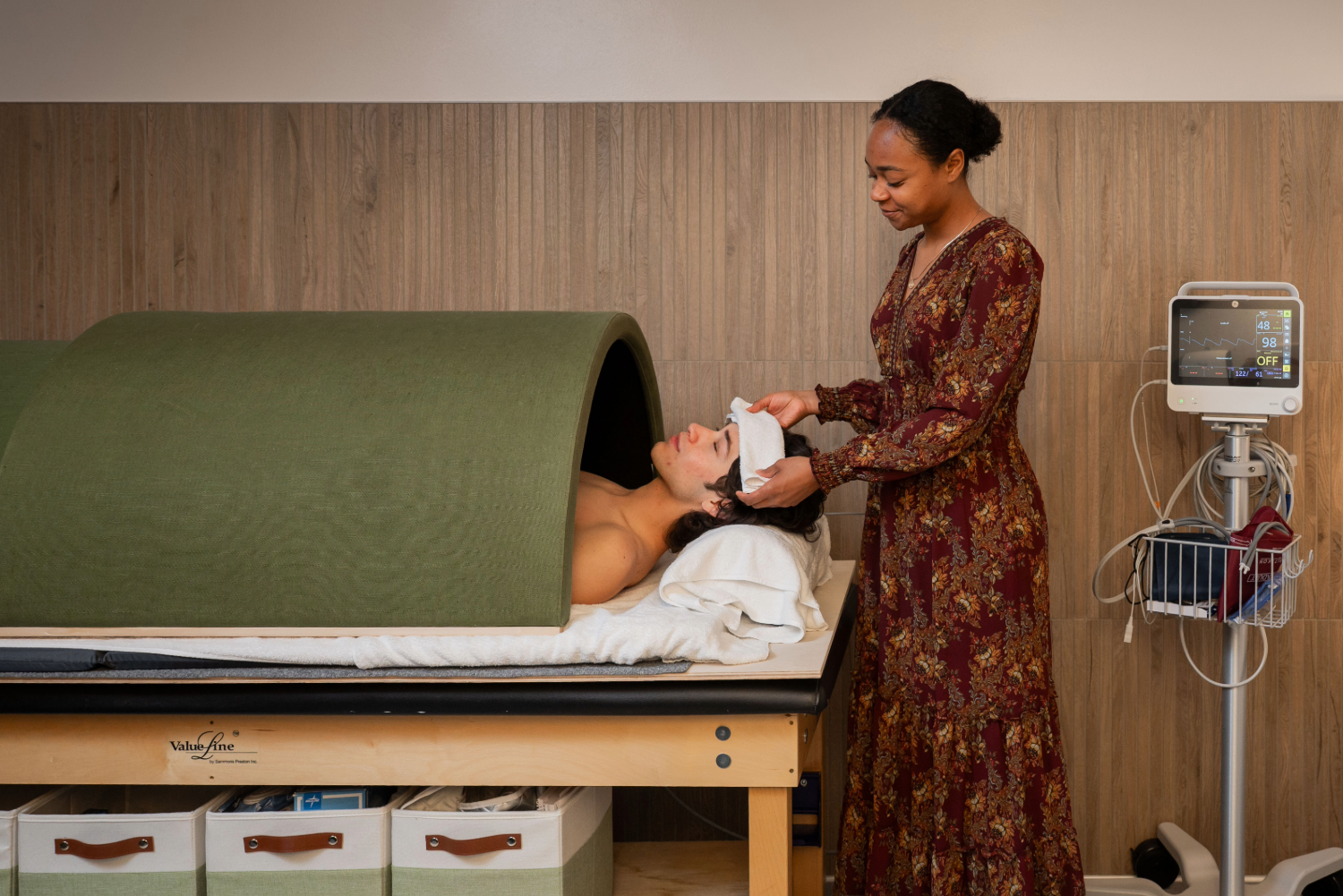
Hot, Cold and Mental Health: Inside Vail Health’s CHILL’D Research Study
Depression, a mental illness affecting more than 18% of American adults, has no blood marker or single biological cause. It looks and feels different in everyone because the brain is a complex organ, and there is no single way that depression develops. Like many mental health conditions, depression can be treated through medical, pharmaceutical and alternative approaches. One promising avenue under study at Vail Health’s Behavioral Health Innovation Center is contrast therapy — combining sauna and cold plunge treatments.
-
New!
More

What to Expect Before, During and After a Colonoscopy
If you've been putting off a colonoscopy, you're not alone. It's one of the most recommended — and most avoided — preventive screenings in medicine. But here's what most people don't realize until after their first one: the procedure itself is a non-event. You're asleep. You don't feel a thing. What people actually dread, and what they talk about afterward, is the prep. The good news is that even the prep is manageable, and the payoff is enormous. Colorectal cancer is one of the most preventable cancers when caught early. A colonoscopy doesn't just detect it; in many cases, it stops cancer before it starts.
-
New!
More

Navigating Men’s Sexual Health: Erectile Dysfunction and the Bigger Picture
For something so common — and treatable — erectile dysfunction (ED) is still surprisingly difficult to talk about. “The biggest misconception men have is that there’s a mechanical or physical problem with them, and that’s usually not the case,” explains Dr. Joseph Dall’Era, a urologist at Vail Health. In reality, ED is far more nuanced and manageable than people realize. Understanding what’s happening and knowing when to speak up can shift the experience.