



Unlocking Well-Being through Flow State

Did you know that tapping into the elusive “flow state” can not only enhance your productivity but also contribute to your well-being? Flow state refers to being “in the zone” where an individual is fully immersed in a feeling of energized focus, full involvement, and enjoyment in an activity. In this state people often experience a heightened sense of concentration, complete absorption in the task at hand, and a distorted sense of time – feeling like time is flying by. Here’s the science-backed lowdown on why you should make flow a part of your daily routine:
- Increased Happiness: Flow state releases a surge of feel-good neurotransmitters like dopamine and endorphins, boosting your mood and overall happiness.
- Enhanced Cognitive Function: Research shows that being in flow improves cognitive functions such as memory, focus, and problem-solving skills.
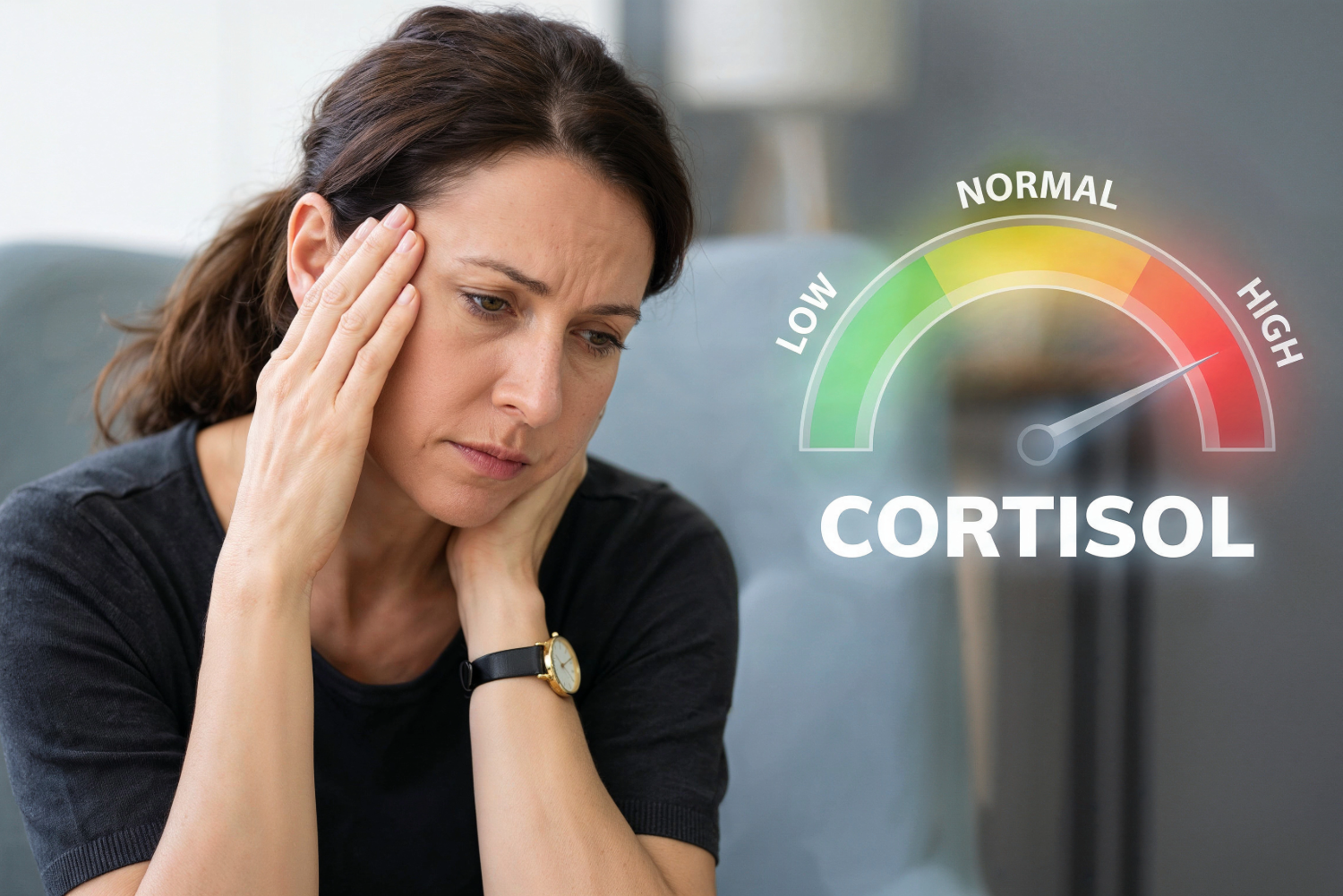
- Reduced Stress and Anxiety: Flow helps to lower cortisol levels, reducing stress and anxiety.
Ready to get into the flow? Here are some practical tips to get you started:
✨ Find Your Passion: Engage in activities that you’re passionate about. Whether it’s writing, painting, running, music, computer programming, or dancing, choose something that captivates your interest.
✨ Set Clear Goals: Define clear and achievable goals to give your mind a sense of purpose. This helps in maintaining focus and staying in the flow.
✨ Eliminate Distractions: Create a conducive environment by minimizing distractions. Turn off notifications, find a quiet space, and let your mind fully immerse itself in the task at hand.
✨ Challenge Yourself: Choose tasks that are challenging but still within your skill set. Striking the right balance between skill and challenge is crucial for achieving flow.
✨ Practice Mindfulness: Incorporate mindfulness techniques, such as deep breathing or meditation, to center your mind and promote a heightened state of awareness.
Embrace the flow and make flow a part of your everyday routine.
Looking to level up your lifestyle and longevity?
Join Vail Health, April 20-27, 2024 in beautiful Costa Rica for a life-changing retreat focused on wellness, physical fitness, nutrition and behavioral health. Guided by your own personal goals and evidence-based research, our experts will lead participants through a one-of-a-kind, integrative adventure towards a healthier, more fulfilling life.