



Take a Breather and Read About the Benefits of Breathwork
In the hustle and bustle of modern life, finding a moment to pause and focus on our breath may seem like a luxury. However, the ancient practice of breathwork is gaining recognition for its myriad benefits, supported by scientific research. From reducing stress and anxiety to improving cognitive function, incorporating breathwork into your daily routine can have profound effects on both your mental and physical well-being.
Understanding Breathwork:
Breathwork is a broad term that encompasses various techniques designed to manipulate the breath for therapeutic purposes. These techniques often involve intentional changes in breathing patterns, emphasizing the connection between the mind and body. While the roots of breathwork can be traced back to ancient Eastern practices like yoga and meditation, contemporary science is shedding light on the physiological and psychological benefits of these age-old techniques.
The Benefits of Breathwork:
1. Stress Reduction:
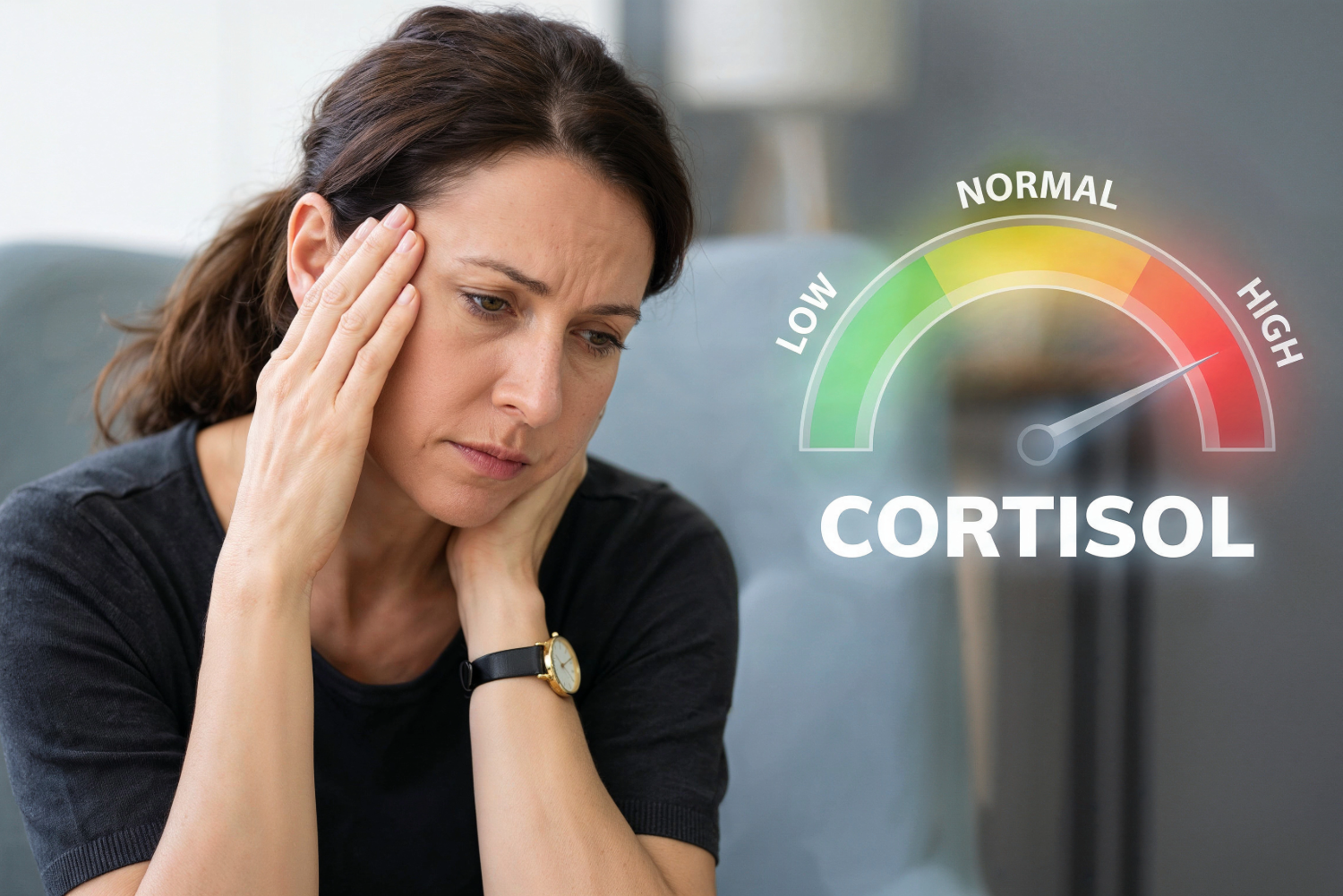
Numerous studies have demonstrated that controlled breathing can activate the body’s relaxation response, reducing the production of stress hormones like cortisol. Techniques such as diaphragmatic breathing and slow-paced breathing can promote a sense of calm and help alleviate chronic stress.
2. Anxiety Management:
Breathwork has shown promise in managing anxiety disorders. Research indicates that practices like deep breathing and coherent breathing can positively impact the autonomic nervous system and reduce cortisol, leading to a reduction in symptoms associated with anxiety.
3. Improved Mental Focus and Clarity:
Conscious control of the breath can enhance cognitive function. Deep, rhythmic breathing increases the flow of oxygen to the brain, supporting mental clarity, concentration, and decision-making. Techniques like box breathing are particularly effective in achieving this cognitive boost.
4. Enhanced Emotional Well-Being:
Breathwork is linked to improved emotional regulation. Mindful breathing allows individuals to observe and accept their emotions without judgment, fostering a greater sense of emotional well-being.
5. Better Sleep Quality:
Insomnia and poor sleep are common issues today. Breathwork, especially practices that emphasize extended exhalation and relaxation, can promote a restful night’s sleep by calming the nervous system and reducing sleep-disruptive factors.
6. Reduced Blood Pressure and Heart Rate:
The autonomic nervous system helps control heart rate and blood pressure. Because breathwork positively impacts the autonomic nervous system, it can be a useful tool for reducing blood pressure and heart rate.
Implementing Breathwork into Your Routine:
1. Start with Awareness:
Begin by paying attention to your natural breathing patterns. Notice the pace, depth, and rhythm of your breath without trying to change anything. Awareness is the first step in developing a mindful connection to your breath.
2. Explore Different Techniques:
There are a variety of different breathwork techniques. Experiment with the various breathwork techniques to find what resonates with you. Techniques such as diaphragmatic breathing, box breathing, and alternate nostril breathing offer diverse approaches to breath control.
3. Consistency is Key:
Like any practice, the benefits of breathwork often emerge with consistent effort. Set aside dedicated time each day for breathwork exercises, even if it’s just a few minutes. Over time, you may notice cumulative positive effects on your well-being.
4. Integrate into Daily Activities:
Incorporate breathwork into your daily routine by practicing during moments of stress, while commuting, or before important tasks. This helps build resilience and makes breathwork a practical tool for managing daily challenges.
In a world that often feels frenetic and overwhelming, the simple act of intentional breathing can be a powerful tool for restoring balance and promoting longevity. The science-backed benefits of breathwork underscore its potential as a readily accessible and cost-effective means of improving mental and physical health. By integrating breathwork into our daily lives, we can tap into a source of calm, clarity, and resilience, fostering a healthier and more balanced way of being.
Looking to level up your lifestyle and longevity?
Join Vail Health, April 20-27, 2024 in beautiful Costa Rica for a life-changing retreat focused on wellness, physical fitness, nutrition and behavioral health. Guided by your own personal goals and evidence-based research, our experts will lead participants through a one-of-a-kind, integrative adventure towards a healthier, more fulfilling life.