


News
Sleep and the Science of Energy: Can Exercise Fuel Better Rest?
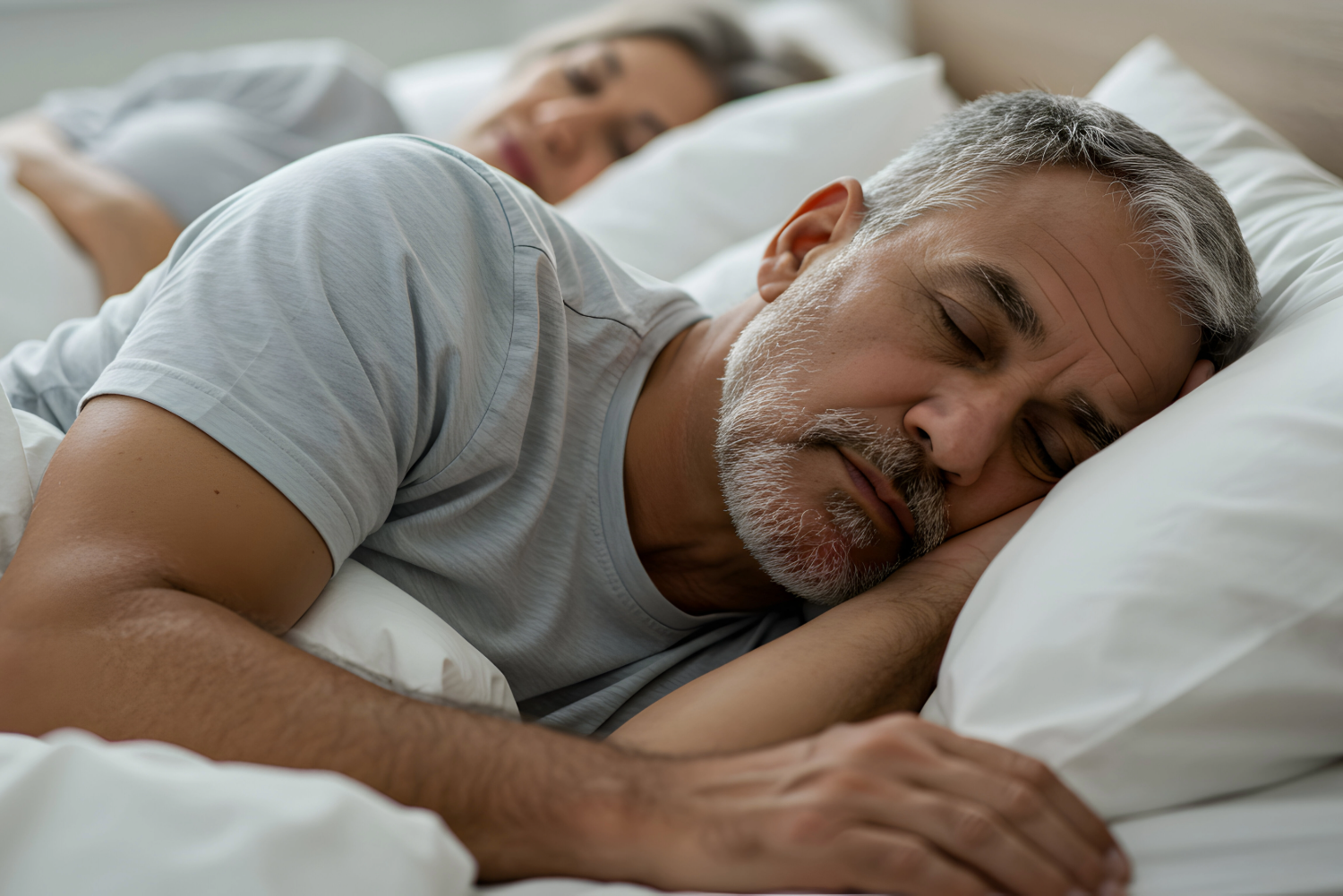
How much and how well we sleep matters. But getting to our sleep sweet spot isn’t always easy. Some work weeks are more stressful than others. Sometimes travel gets in the way, or parenting little ones, or taking care of aging parents. Over time, disrupted sleep catches up to us.
Lower sleep regularity is linked with higher future risk of cardiovascular events, type 2 diabetes, depressive disorder, anxiety disorder and dementia, says Vail Healthspan advisor Dr. Ashley Mason. With an aim to add “more life to your years,” the Vail Healthspan team is Vail Health’s holistic health care arm, improving health upstream by attempting to stop chronic disease before it occurs.
In a recent Learning Lab titled "Optimizing Sleep: Why It Matters,” Dr. Mason shares an in-depth exploration of the science and strategies behind better sleep. First, she says, we need to release old stories around sleep.
Sleep Myths to Let Go of:
- “If I don’t get eight hours, I’m not sleeping well.”
- “Waking up at night means my sleep isn’t restorative.”
- “I should wake up immediately feeling refreshed if I slept well.”
- “If only I slept better, I’d feel great.”
- “There’s nothing I can do to improve my sleep.”
Using the Sleep Pressure Angle
There are myriad mental and physical approaches to better sleep. Dr. Mason recommends a simple but effective practice called sleep pressure.“Sleep pressure is literally just that, pressure to sleep,” she says. “As soon as we wake up for our day, we begin building pressure to sleep. The more sleep pressure you have, the easier it is to fall asleep and stay asleep.”
The more energy we expend during the day, the more sleep pressure we build. So, exercising can increase the rate at which adenosine binds to its receptors, thereby increasing sleep pressure, Dr. Mason explains.
Exercise also impacts quality of sleep, building more sleep pressure to keep us fast asleep and preventing us from being easily awakened by things in the night. When it comes to improving sleep naturally, increasing movement during the day is a solid place to start.
“Better sleep translates to better days, and better days mean better exercise. It’s all related,” Dr. Mason says.
Can Exercise Be Sleep Medicine?
There is a powerful relationship between exercise, metabolic health, blood flow and quality sleep.“Exercise improves endothelial function, arterial remodeling and blood flow to tissues,” says Dr. Mason, who also practices as an integrative clinical psychologist specializing in sleep treatment at the University of California, San Francisco Osher Center for Integrative Health.
“Sleep and exercise are deeply intertwined,” said Genevieve Harrison, Vail Healthspan Health Coach. “Without adequate sleep, the benefits of exercise are blunted, and without regular exercise, sleep quality often declines. Together, they create a powerful physiological loop.”
Regular exercise supports metabolic processes, improves circulation and enhances sleep efficiency, and ultimately helps the body feel more energized during the day and more restored at night. With strategic exercise being one of the most underutilized tools for fighting daytime fatigue and sleep disruption, it’s important to build a movement routine that works for you.
“Quality sleep allows the body to repair, adapt, and fully realize cardiovascular and metabolic gains,” said Harrison. “An athlete treats sleep as part of their training.”
Dr. Mason suggests finding exercise that’s enjoyable and then fitting that into your schedule as much as possible.
“Telling someone who hates running to develop a running routine is a waste of time,” she says. “Find what you like, and do it.”
Where to Start
So, where do we start? Should the focus be on strength training, aerobic conditioning or mobility exercises? Or all of the above?Dr. Mason breaks it down for us: The more vigorous the exercise — think cardiovascular exercise and heavy weightlifting — the more exertion required and the more sleep pressure you accrue. The more sleep pressure you accrue, the more pressure you have to fall asleep and stay asleep at night.
Feeling too tired to workout? You may just need a little inertia, Dr. Mason says. “The initial inertia we need to overcome to get moving is hard. I would tell a patient that you don’t need to do much; start with five minutes. Start small.”
But don’t overdo it. Overdoing exercise can actually damage sleep and make it difficult to recover. If you’re having trouble recovering and noticing body aches and you’re getting sick a lot, it might be time to build in more recovery.
The Vail Healthspan team can help with this. The team evaluates sleeping patterns to identify changes to make and helps you decide which order to make those changes, while building a safe and personalized training plan for better sleep and longevity.
Learn more at VailHealthspan.com.
More News
-
New!
More
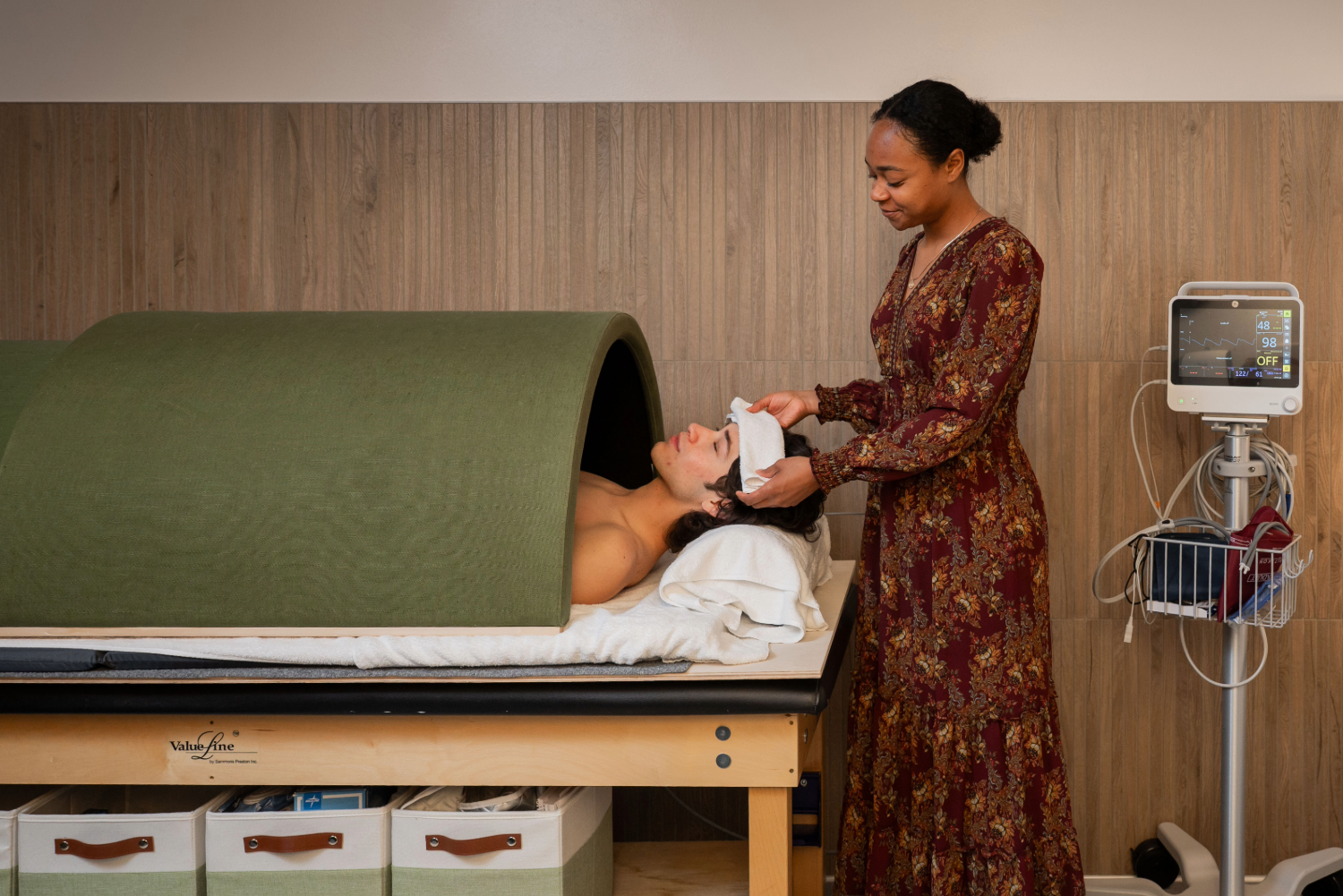
Hot, Cold and Mental Health: Inside Vail Health’s CHILL’D Research Study
Depression, a mental illness affecting more than 18% of American adults, has no blood marker or single biological cause. It looks and feels different in everyone because the brain is a complex organ, and there is no single way that depression develops. Like many mental health conditions, depression can be treated through medical, pharmaceutical and alternative approaches. One promising avenue under study at Vail Health’s Behavioral Health Innovation Center is contrast therapy — combining sauna and cold plunge treatments.
-
New!
More

What to Expect Before, During and After a Colonoscopy
If you've been putting off a colonoscopy, you're not alone. It's one of the most recommended — and most avoided — preventive screenings in medicine. But here's what most people don't realize until after their first one: the procedure itself is a non-event. You're asleep. You don't feel a thing. What people actually dread, and what they talk about afterward, is the prep. The good news is that even the prep is manageable, and the payoff is enormous. Colorectal cancer is one of the most preventable cancers when caught early. A colonoscopy doesn't just detect it; in many cases, it stops cancer before it starts.
-
New!
More
Navigating Men’s Sexual Health: Erectile Dysfunction and the Bigger Picture
For something so common — and treatable — erectile dysfunction (ED) is still surprisingly difficult to talk about. “The biggest misconception men have is that there’s a mechanical or physical problem with them, and that’s usually not the case,” explains Dr. Joseph Dall’Era, a urologist at Vail Health. In reality, ED is far more nuanced and manageable than people realize. Understanding what’s happening and knowing when to speak up can shift the experience.