


News
Hormone Replacement Therapy: When and Why to Start

This is part three of a three-part series addressing menopause, perimenopause, and hormone replacement therapy.
For decades, hormone replacement therapy (HRT) was shrouded in fear. The 2002 Women’s Health Initiative study made headlines for linking HRT to increased health risks, and overnight, millions of women abandoned treatment. But that research, as it turns out, was deeply flawed. In fact, on November 10, 2025, the Food and Drug Administration (FDA) announced that it would begin a process to officially remove black box warnings from HRT. After a comprehensive review of scientific literature and expert input, the agency is urging pharmaceutical companies to make changes to the labeling to provide current, accurate, and balanced information about the benefits and risks of these drugs, so women, in consultation with their healthcare providers, can make the best decisions for their health.
The narrative around treating menopause is finally changing, a welcome relief for both providers and patients.
“Women early in menopause taking hormone therapy were actually doing great,” says Dr. Jennifer Bettenhausen, a physician with Colorado Mountain Medical who specializes in women’s health. “It was mostly women over 63 [in the study] who were starting HRT for the first time, and it was the use of a synthetic progestin that caused complications in a small subset of women.”
So, what exactly is hormone replacement therapy? In simple terms, HRT supplements the body’s natural hormones, typically estrogen, progesterone and sometimes testosterone, to restore balance during perimenopause and menopause. These hormones influence everything from mood and metabolism to sleep and cardiovascular health.
And when used correctly, HRT is considered safe and effective for most women. “The safest, most evidence-based forms are transdermal estradiol, patch, gel or cream, and oral micronized progesterone,” says Lilia Brown, FNP-BC, a functional medicine nurse practitioner at Vail Health.
Long misunderstood, menopause has finally found its footing in the greater conversation about women’s health and wellness. There are now more tools than ever, HRT being one of them, to help women navigate this important life transition.
“The average woman spends 40% of her life postmenopausal,” Brown says. “We’re looking back at the data and recognizing how misconceptions and fear have guided treatment for decades. There’s a growing movement to rewrite that narrative.”
When to Consider Hormone Replacement Therapy (HRT)
Perimenopause, the years leading up to menopause, can start as early as a woman’s late 30s and persist until the onset of menopause. Common symptoms include poor sleep, irritability, brain fog, weight gain, mood changes and irregular cycles. Both Vail Health medical experts agree: there’s no single lab test that diagnoses perimenopause.“The diagnosis is completely clinical,” Bettenhausen says. “Which means it’s based on symptoms and history, not one lab value.”
Hormone testing can help rule out thyroid or nutrient imbalances, but if you’re 45 or older and experiencing these symptoms, there’s a strong chance you’re in perimenopause. Bettenhausen notes that early signs often include subtle cycle changes, increased PMS and sleep disruption, which can progress to hot flashes, night sweats and mood swings in the years just before menopause.
“The good news,” she says, “is that we can start hormone therapy before cycles stop and greatly ease these symptoms.”
Brown agrees. “One of the biggest misconceptions is that you should only use hormone therapy if your symptoms are ‘severe,’” she says. “I always say, ‘nobody wins for suffering.’ There’s nothing gained from waiting until you’re truly miserable to seek help.”
Understanding the Hormones
Hormone therapy typically involves the three key hormones mentioned above, estrogen, progesterone and testosterone, each of which supports vital systems throughout the body. HRT helps restore hormonal balance to relieve disruptive symptoms and reduce long-term risks such as osteoporosis and heart disease.
- Estrogen supports bone density, cardiovascular health, brain function and skin elasticity. “[Estradiol] It’s the number one treatment for hot flashes and night sweats,” says Bettenhausen. “It also helps prevent menopausal weight gain, protects the heart and supports mood and memory.”
- Progesterone has a calming effect on the brain and supports deep sleep. “Low progesterone can lead to anxiety, irritability and poor sleep,” says Brown. Replacement is administered orally.
- Testosterone, though not FDA-approved for women, can help restore energy, libido and strength. “It supports musculoskeletal health and vitality,” says Bettenhausen, who prescribes compounded topical creams in low doses.
Together, these hormones significantly improve quality of life and even long-term health outcomes. Recognizing the full spectrum of these changes helps women realize that many of the things they’re experiencing are connected and treatable.
Beyond Hormones: Building the Foundation
Hormone therapy is just one piece of the midlife health puzzle. Both experts emphasize that healthy lifestyle habits, how you move, eat, rest and recover, can amplify its effects.Here are the lifestyle modifications that matter most for perimenopausal and menopausal women:
- Build strength. “As hormones fluctuate, metabolism changes,” Brown says. “Strength training helps preserve muscle and bone and supports a healthy weight.”
- Sleep well. “Sleep is non-negotiable,” Brown says. Good sleep helps regulate mood, metabolism and hormone balance.
- Eat for balance. Choose whole, minimally processed foods. Studies have shown that omega-3 fats, cruciferous vegetables and fiber support estrogen metabolism. Aim for about 30 grams per meal to stabilize blood sugar and support sustained energy.
- Limit alcohol and sugar. Alcohol can worsen hot flashes and sleep disruption, while sugar increases inflammation and may lead to weight gain.
- Manage stress. Practices like walking, meditation or time outdoors can calm the nervous system and support hormonal harmony.
Together, these simple habits form the foundation for thriving in midlife, with or without hormone therapy.
“Healthy eating, exercise, good sleep and stress control are key. Hormones help, but they work best when the rest of your life supports balance,” says Bettenhausen.
Getting Started
If you think you might benefit from hormone therapy, talk to a provider who has specific training in menopause care. At Vail Health, several clinicians specialize in helping women navigate their options safely, and in addition to seeing her current patients in the traditional care model, Dr. Bettenhausen has helped launch a new Hormone Replacement Therapy (HRT) Clinic through Vail Health and Colorado Mountain Medical. The HRT Clinic is an elective addition to traditional medical offerings, designed specifically for those navigating symptoms related to hormone changes in both men and women. “By utilizing a direct-pay model for these specific consultations, we can step outside the constraints of traditional insurance to provide the extended time, deep expertise, and individualized attention required for complex hormonal health journeys,” Bettenhausen says. “HRT can be transformative, for both men and women, and I’m excited to be able to dedicate additional time for individualized care.”
For women specifically, Bettenhausen says that “this stage of life can be empowering. It’s a time for women to prioritize their health, reconnect with themselves and decide what matters most.”
Brown agrees. “Perimenopause was a wake-up call for me; it pushed me to build strength, improve my nutrition and focus on longevity,” she says. “This isn’t an ending. It’s an opportunity to fine-tune your life for the next few decades.”
Don’t wait until menopause to take charge of your hormones. If you’re noticing changes in sleep, mood or energy, it may be time to talk to your provider about hormone therapy. With the right care, midlife can be one of your strongest seasons yet.
More News
-
New!
More
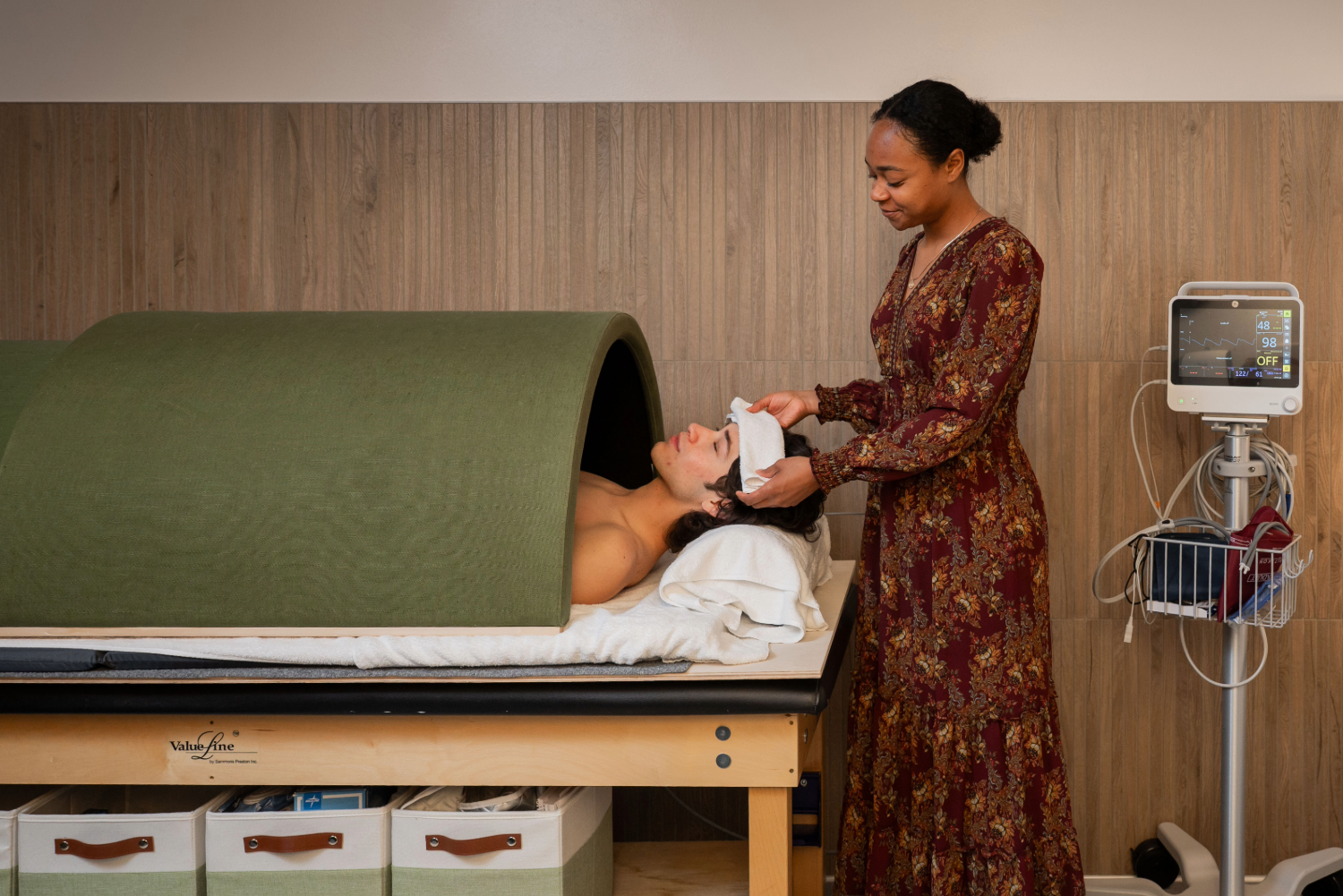
Hot, Cold and Mental Health: Inside Vail Health’s CHILL’D Research Study
Depression, a mental illness affecting more than 18% of American adults, has no blood marker or single biological cause. It looks and feels different in everyone because the brain is a complex organ, and there is no single way that depression develops. Like many mental health conditions, depression can be treated through medical, pharmaceutical and alternative approaches. One promising avenue under study at Vail Health’s Behavioral Health Innovation Center is contrast therapy — combining sauna and cold plunge treatments.
-
New!
More

What to Expect Before, During and After a Colonoscopy
If you've been putting off a colonoscopy, you're not alone. It's one of the most recommended — and most avoided — preventive screenings in medicine. But here's what most people don't realize until after their first one: the procedure itself is a non-event. You're asleep. You don't feel a thing. What people actually dread, and what they talk about afterward, is the prep. The good news is that even the prep is manageable, and the payoff is enormous. Colorectal cancer is one of the most preventable cancers when caught early. A colonoscopy doesn't just detect it; in many cases, it stops cancer before it starts.
-
New!
More

Navigating Men’s Sexual Health: Erectile Dysfunction and the Bigger Picture
For something so common — and treatable — erectile dysfunction (ED) is still surprisingly difficult to talk about. “The biggest misconception men have is that there’s a mechanical or physical problem with them, and that’s usually not the case,” explains Dr. Joseph Dall’Era, a urologist at Vail Health. In reality, ED is far more nuanced and manageable than people realize. Understanding what’s happening and knowing when to speak up can shift the experience.