


Healthspan & Wellness
The Telomere Age Theory
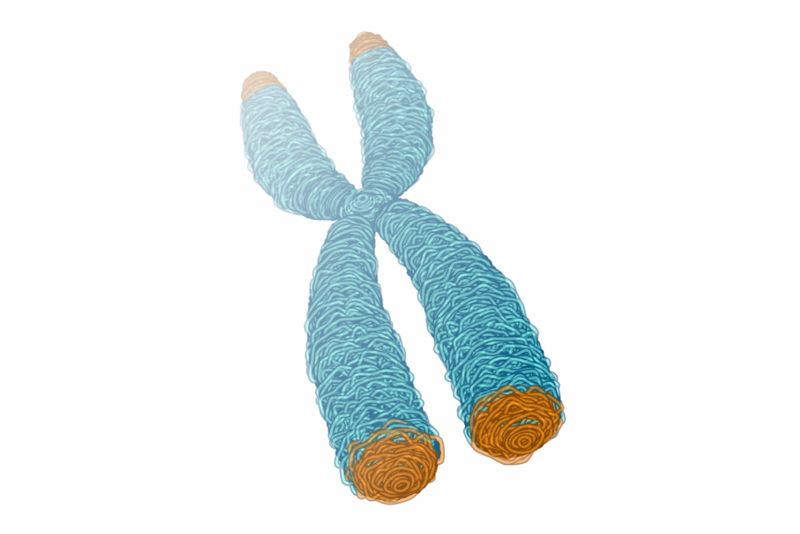
Among the various scientific theories explaining the aging process, the Telomere Age Theory stands out for its compelling connection between cellular mechanisms and the aging process. Below we discuss telomeres, their impact on cellular aging, and practical strategies to prevent telomere shortening.
What Are Telomeres?
Telomeres are repetitive DNA sequences at the ends of chromosomes, serving as protective caps that prevent chromosomes from deteriorating or fusing with neighboring chromosomes. Imagine them as the plastic tips on shoelaces, preventing fraying. Each time a cell divides, a small portion of the telomere is lost, gradually shortening with each division.The Telomere Age Theory
The Telomere Age Theory posits that telomere length is a biological marker of aging. As cells divide over time, telomeres become progressively shorter, eventually leading to cellular senescence or apoptosis (programmed cell death). Senescent cells lose their ability to divide and function properly, contributing to the aging process and the onset of age-related diseases. These cells can accumulate and secrete inflammatory factors, contributing to chronic inflammation and tissue degradation, which are hallmarks of aging. The presence of senescent cells is associated with conditions such as cancer, cardiovascular disease, and neurodegenerative disorders.Preventing Telomere Shortening
While telomere shortening is a natural part of aging, research suggests several strategies that may help slow down this process. You won’t be surprised that a healthy diet, exercise, and sleep are among the top contributors to slowing down the process.- Adopt a Healthy Diet
- Antioxidant-Rich Foods: Consuming foods high in antioxidants, such as berries, nuts, and leafy greens, can protect telomeres from oxidative stress.
- Mediterranean Diet: Emphasizing fruits, vegetables, whole grains, and healthy fats, this diet is linked to longer telomeres.
- Engage in Regular Physical Activity
- Exercise: Regular aerobic and resistance exercise is associated with longer telomeres. Activities such as walking, running, and strength training can be beneficial.
- Prioritize Sleep
- Aim for 7-9 hours of sleep per night. Adequate and restful sleep is crucial for maintaining telomere length and overall health.
- Manage Stress
- Stress Reduction Techniques: Practices like meditation, yoga, and mindfulness can lower stress levels. Chronic stress is a known factor in accelerating telomere shortening.
- Consider Nutrition Supplements
- Omega-3 Fatty Acids: Found in fish oil and flaxseeds, these fatty acids have been shown to positively impact telomere length.
- Vitamins and Minerals: Ensure sufficient intake of vitamins C, D, E, zinc, and magnesium.
- Avoid Harmful Exposures
- Quit Smoking: Smoking is a significant risk factor for accelerated telomere shortening.
- Limit Toxin Exposure: Reduce exposure to environmental pollutants and harmful chemicals.
The Future of Telomere Research
The Telomere Age Theory provides a fascinating lens through which to view the aging process. By understanding the role of telomeres in cellular aging and adopting lifestyle habits that support telomere health, we may enhance longevity and improve our quality of life. As research advances, we will gain deeper insights into the validity and applications of this theory.It's important to remember that while these strategies are promising, consulting healthcare professionals before making significant lifestyle changes or starting new treatments is crucial. Regardless of the impact of telomere shortening on aging, embracing a holistic approach to health—focusing on balanced nutrition, regular exercise, sleep, stress management, and overall well-being—is always beneficial.
References:
- Blackburn, E. H., & Epel, E. S. (2017). *The Telomere Effect: A Revolutionary Approach to Living Younger, Healthier, Longer*. Grand Central Publishing.
- Shammas, M. A. (2011). Telomeres, lifestyle, cancer, and aging. *Current Opinion in Clinical Nutrition & Metabolic Care*, 14(1), 28-34.
- Ornish, D., et al. (2013). Effect of comprehensive lifestyle changes on telomerase activity and telomere length in men with biopsy-proven low-risk prostate cancer: 5-year follow-up of a descriptive pilot study. *The Lancet Oncology*, 14(11), 1112-1120.
More News
-
New!
More
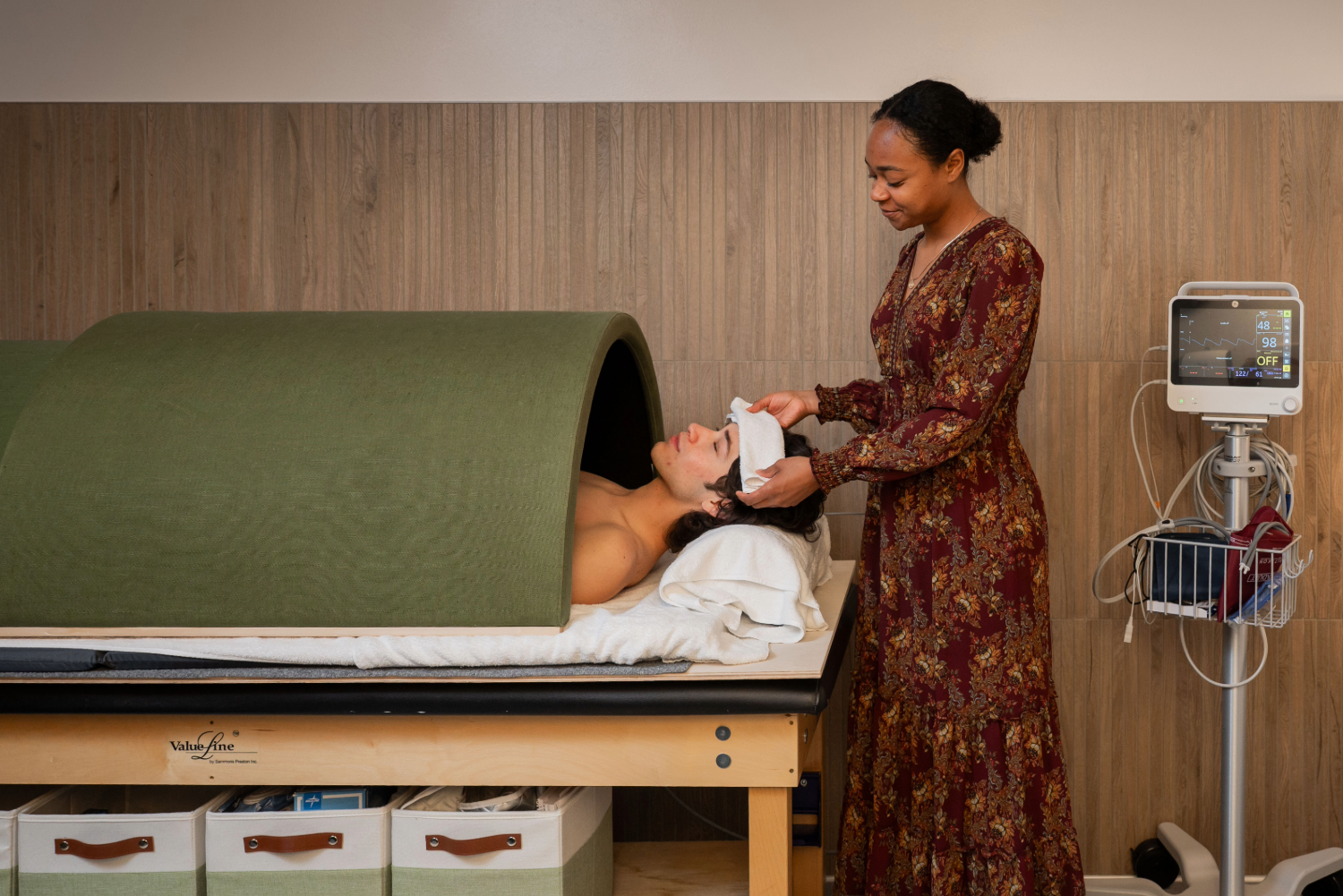
Hot, Cold and Mental Health: Inside Vail Health’s CHILL’D Research Study
Depression, a mental illness affecting more than 18% of American adults, has no blood marker or single biological cause. It looks and feels different in everyone because the brain is a complex organ, and there is no single way that depression develops. Like many mental health conditions, depression can be treated through medical, pharmaceutical and alternative approaches. One promising avenue under study at Vail Health’s Behavioral Health Innovation Center is contrast therapy — combining sauna and cold plunge treatments.
-
New!
More

What to Expect Before, During and After a Colonoscopy
If you've been putting off a colonoscopy, you're not alone. It's one of the most recommended — and most avoided — preventive screenings in medicine. But here's what most people don't realize until after their first one: the procedure itself is a non-event. You're asleep. You don't feel a thing. What people actually dread, and what they talk about afterward, is the prep. The good news is that even the prep is manageable, and the payoff is enormous. Colorectal cancer is one of the most preventable cancers when caught early. A colonoscopy doesn't just detect it; in many cases, it stops cancer before it starts.
-
New!
More

Navigating Men’s Sexual Health: Erectile Dysfunction and the Bigger Picture
For something so common — and treatable — erectile dysfunction (ED) is still surprisingly difficult to talk about. “The biggest misconception men have is that there’s a mechanical or physical problem with them, and that’s usually not the case,” explains Dr. Joseph Dall’Era, a urologist at Vail Health. In reality, ED is far more nuanced and manageable than people realize. Understanding what’s happening and knowing when to speak up can shift the experience.