

News
Healing from the Inside Out: How Nutrition Supports Recovery
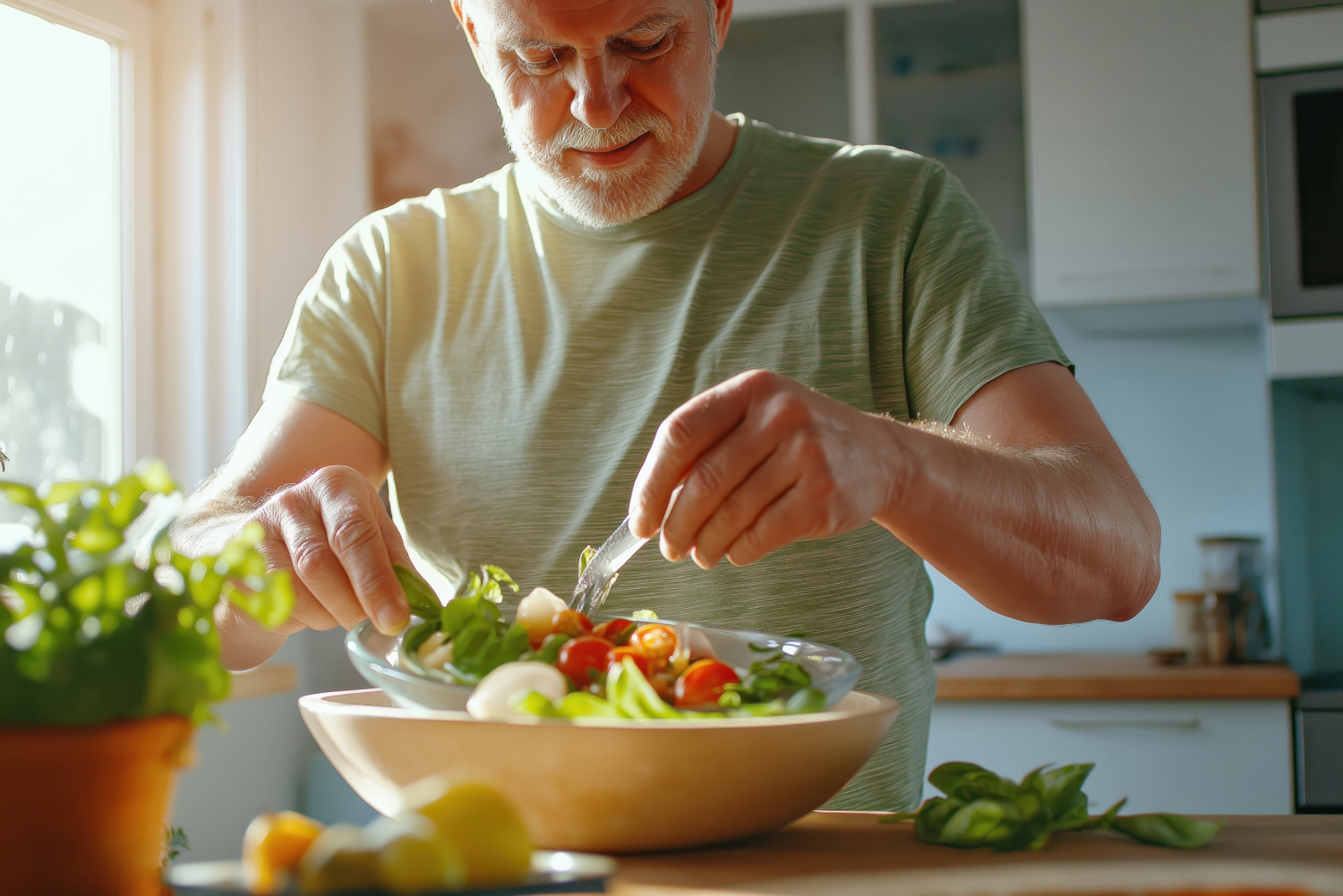
Whether you are recovering from a minor scrape, a sports injury or major surgery, what you eat can significantly impact how well, and how quickly, you heal. While your body is working hard to repair tissue, fight infection and restore strength, it needs the right fuel to do its job. Below are some simple ways to incorporate key nutrients into your diet to help your body repair itself.
Here are some key nutrients for recovery and where to find them in healthy, nutritious food:
Protein: The Building Block of Repair
Protein helps rebuild damaged tissue and plays a major role in immune function. After surgery or an injury, your body needs more protein—about 1.5 grams per kilogram or 0.68 grams per pound of body weight each day. A quick tip to estimate your daily protein needs is to aim for about 70% of your weight in pounds. For example, if you weigh 150 pounds, try to get around 105 grams of protein per day.- Good sources of protein include:
- Chicken, turkey, beef, pork
- Fish and seafood
- Eggs
- Dairy (milk, yogurt, cheese)
- Beans, lentils, tofu, and tempeh
- Nuts and seeds
- Tip: Try to include a source of protein in every meal and snack, including breakfast. Eggs are a great way to start the day or swap your oatmeal for cottage cheese with nuts and berries.
Vitamin C: Collagen Booster and Infection Fighter
Vitamin C helps your body produce collagen, a protein that gives skin and tissue strength and structure. It also acts like an antioxidant and supports your immune system to help fight infection and reduce inflammation.
- Foods rich in vitamin C:
- Bell peppers (especially red and yellow)
- Broccoli, Brussels sprouts, and kale
- Tomatoes
- Oranges, grapefruits, and other citrus fruits
- Strawberries, kiwi, and mango
- Tip: Try a handful of berries and slices of bell pepper dipped in hummus as your afternoon snack. Avoid fruit juice and choose whole fruits and vegetables instead. Whole foods contain more fiber, which helps keep your blood sugar stable—an important factor that supports better healing.
Omega-3 Fatty Acids: Immune Balance and Cellular Structure
Omega-3 fatty acids are healthy fats that are essential for modulating inflammation, supporting cardiovascular and brain health, and maintaining cell membrane structure and function. They’re called “essential” fats because your body can’t make them on its own, and you must get them from food.
- You can find omega-3s in foods like:
- Cold water fatty fish (like salmon, sardines, and mackerel)
- Chia seeds, hemp seeds, and flaxseeds.
- Walnuts
- Grass-fed beef
- Some fortified foods (like certain eggs or milks)
- Tip: Aim to eat two servings (totaling 8 ounces or about 225 grams) of salmon or other fatty fish per week. If your health care provider recommends you take fish oil, keep in mind that fish oil supplements should never smell strongly fishy. If they do, it's a sign the fat has gone rancid, and it can cause more harm than good.
Iron: Fuels Cell Growth and Collagen Production
Iron helps your body make new cells and repair tissue. It supports the growth of skin and other tissues, helps build collagen (which gives structure to healing tissue), and helps the immune system work properly.
- Iron-rich foods include:
- Red meat, liver, and poultry
- Spinach and other dark leafy greens
- Beans and lentils
- Tip: Eating foods rich in vitamin C alongside those high in iron can help your body absorb iron better. Try spinach salad with strawberries, or chili with tomatoes and beans. Keep in mind that too much iron can impair healing. Stick to food sources and only take an iron supplement if directed by your health care provider.
Zinc: Speeds Up Wound Repair
Zinc is a mineral that plays an important role in skin repair and fighting off bacteria. It’s especially important for healing surgical wounds or pressure sores.
- Good food sources of zinc:
- Meat and shellfish (especially beef and oysters)
- Chickpeas, lentils, and beans
- Pumpkin seeds and sunflower seeds
- Dairy products
- Note: Too much zinc (especially from supplements) can interfere with other nutrients, so stick to food sources unless advised by a health care provider.
Vitamin A: Helps with Skin Regeneration
Vitamin A supports skin growth and repair. It also helps maintain a balanced immune system during recovery.
- Foods rich in vitamin A:
- Carrots, sweet potatoes, and butternut squash
- Spinach and kale
- Eggs
- Liver
- Quick tip: Vitamin A is responsible for the bright orange color in carrots and sweet potatoes. Roasted carrots or baked sweet potatoes make easy, vitamin A-packed side dishes.
Vitamin E: Antioxidant Power for Skin Health
Vitamin E is an antioxidant that may help reduce scarring and protect cells from damage during the healing process.
- Sources of vitamin E:
- Nuts and seeds (like almonds)
- Spinach and other leafy greens
- Avocados
- Olive oil
- Reminder: A balanced intake of vitamin E is helpful, but large doses from supplements can increase bleeding risk, especially after surgery. Talk to your doctor before supplementing and aim to get your Vitamin E from whole foods.
4 Simple Nutrition Tips to Promote Healing
- Eat The Rainbow: Nutrients give plants color. Eating the rainbow every day leads to a broad intake of important nutrients.
- Focus on Whole Foods: Aim for a variety of fruits, vegetables, lean proteins, healthy fats, and safe starches like sweet potatoes and winter squash.
- Limit Processed Foods: Sugary and fried foods can increase inflammation and slow healing.
- Talk to Your Care Team: Ask if you should take a multivitamin or if you have specific nutrition needs based on your surgery, injury, or condition.
When to Seek Help
If you're not eating well due to pain, loss of appetite, or side effects from medications, let your health care team know. Poor nutrition can lead to delayed healing, infections, or hospital readmission, especially after surgery.
The Bottom Line
Healing isn’t just about what’s happening on the outside—your body needs support from the inside, too. Eating nutrient-rich foods with protein, vitamins, and healthy fats can help your wounds heal faster, reduce your risk of infection, and support full recovery. Think of every healthy bite as one more step toward healing.Leslie Yedor, DAOM, MMSc, PA-C, L.Ac is a physician assistant with Vail Health’s Surgical Associates team. The general surgery team specializes in a wide range of procedures, including hernia repairs, colonoscopies, appendectomies, gallbladder removal, and surgeries to treat cancer and other conditions. To contact Vail Health’s Surgical Associates team, call (970) 479-5036.
More News
-
New!
More
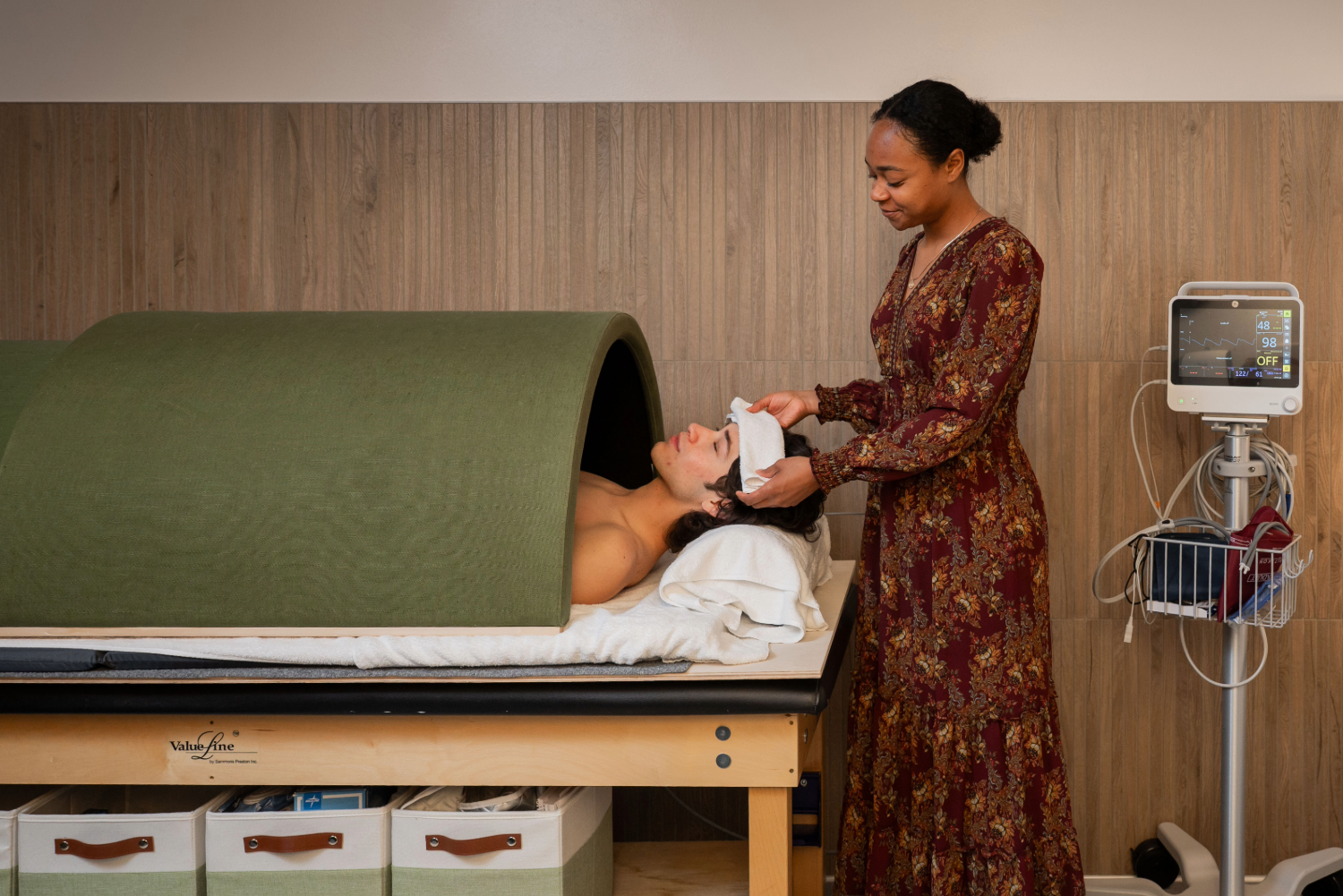
Hot, Cold and Mental Health: Inside Vail Health’s CHILL’D Research Study
Depression, a mental illness affecting more than 18% of American adults, has no blood marker or single biological cause. It looks and feels different in everyone because the brain is a complex organ, and there is no single way that depression develops. Like many mental health conditions, depression can be treated through medical, pharmaceutical and alternative approaches. One promising avenue under study at Vail Health’s Behavioral Health Innovation Center is contrast therapy — combining sauna and cold plunge treatments.
-
New!
More

What to Expect Before, During and After a Colonoscopy
If you've been putting off a colonoscopy, you're not alone. It's one of the most recommended — and most avoided — preventive screenings in medicine. But here's what most people don't realize until after their first one: the procedure itself is a non-event. You're asleep. You don't feel a thing. What people actually dread, and what they talk about afterward, is the prep. The good news is that even the prep is manageable, and the payoff is enormous. Colorectal cancer is one of the most preventable cancers when caught early. A colonoscopy doesn't just detect it; in many cases, it stops cancer before it starts.
-
New!
More

Navigating Men’s Sexual Health: Erectile Dysfunction and the Bigger Picture
For something so common — and treatable — erectile dysfunction (ED) is still surprisingly difficult to talk about. “The biggest misconception men have is that there’s a mechanical or physical problem with them, and that’s usually not the case,” explains Dr. Joseph Dall’Era, a urologist at Vail Health. In reality, ED is far more nuanced and manageable than people realize. Understanding what’s happening and knowing when to speak up can shift the experience.