


News
The Ins and Outs of Hormone Replacement Therapy
Hot flash! Bone density! Hormones! The changes in estrogenlevels in women going through menopause have interested doctors andpatients for nearly a century. Synthetic estrogen was developed inthe 1920s and by the mid-1930s it was being used to relievemenopausal symptoms. In the mid-1960s the book "Feminine Forever"touted the use of synthetic estrogen as a way to maintain youth andfemininity. The book greatly increased the demand for hormonereplacement therapy. In recent years much research has beenconducted to determine how hormone replacement therapy can helpwomen and who the best candidates for the medication are.Pharmacist August Smirl a hormone replacement therapy expert andmanaging pharmacist of the Edwards Pharmacy inside the ShawRegional Cancer Center Building answered some common questions hegets.
Vail Daily: What is bioidentical hormone replacement therapy(BHRT)?
August Smirl: Bioidentical hormone replacement therapy is usinghormones that are identical to the ones in your body to replenishdiminishing hormone levels.
VD: Is there a difference between synthetic and naturalhormones?
AS: Yes synthetic hormones are chemically derived whereasnatural refers to hormones that are derived from plant sources.Synthetic may be a close replica having some but not all of thecharacteristics of hormones in our body.
VD: What are the uses for bioidentical hormone replacementtherapy?
AS: As we age hormone levels decrease causing different sideeffects. The older one gets the desired outcome of taking hormonesmay vary. For example a menopausal woman in her 40s is probablymore interested in eliminating hot flashes mood swings nightsweats and other side effects. Whereas a more advanced woman mightdesire to retain stronger bones and better brain function. Men alsohave diminished levels of testosterone which leads to low energylevels and loss of lean muscle mass.
VD: Why should I do bioidentical hormone replacementtherapy?
AS: Bioidentical hormones alleviate symptoms of hormoneimbalance. The goal is to not just replace but to balance outhormones in the body. This is accomplished by individuallytailoring meds using lab results and addressing patientsymptoms.
VD: Are there options?
AS: There are commercial hormone products available as well asthose prepared by a compounding pharmacy such as the EdwardsPharmacy. Compounded hormones are custom made to fit specificindividual needs including strength and dose form.
VD: How can I get hormone replacement therapy?
AS: A prescription is required for hormones so speak with yourdoctor or a hormone replacement therapy doctor and a pharmacist orcompounding pharmacy if needed to obtain this type oftreatment.
VD: Where can I learn more?
AS: Join us for the VVMC Hormone Replacement Therapy paneldiscussion on Wednesday at the Sonnenalp in Vail or Thursday at theGypsum Town Municipal Building. The panel will include Dr. HeidiArcher of Body LogicMD Colorado Mountain Medical OB/GYN physiciansRochelle Bernstein (Wednesday) and Keith Samuels (Thursday) andmyself. You can also learn more by calling your pharmacy orphysician to be referred to specialists and of course read up.There have been numerous books written as well as many talk showson this topic.
VD: When should I stop taking hormone replacement therapy?
AS: The duration of therapy is at the patient's digression. Ifyou are at a point in life where the symptoms of menopause are nolonger an issue then you might consider stopping therapy.
VD: Is any hormone replacement therapy safer than another?
AS: No hormone replacement is without risks or side effects. Alloptions must be considered before starting a specific treatment inorder to reduce the risks and learn what works for eachindividual.
VD: What else can I do to prevent hot flashes and loss of libidodue to menopause?
AS: Some women respond to homeopathic treatment like vitaminsvery well but need to be careful if hormone replacement therapy isever added due to potential drug interactions.
VD: What can I do to protect against heart disease orosteoporosis?
AS: Hormone replacement therapy can help prevent bone loss.Additionally taking supplements such as fish oil flax seed andfiber among others can help prevent heart disease.
VD: I am a woman approaching menopause what should I do?
AS: Educate yourself. Go online read books seek out healthcare professionals who may guide you through the process.
August Smirl registered pharmacist is the manager of theEdwards Pharmacy a public pharmacy located at the Shaw RegionalCancer Center. Smirl has been a pharmacist for 22 years and been aVail Valley Medical Center employee for nine of those years.
More News
-
New!
More
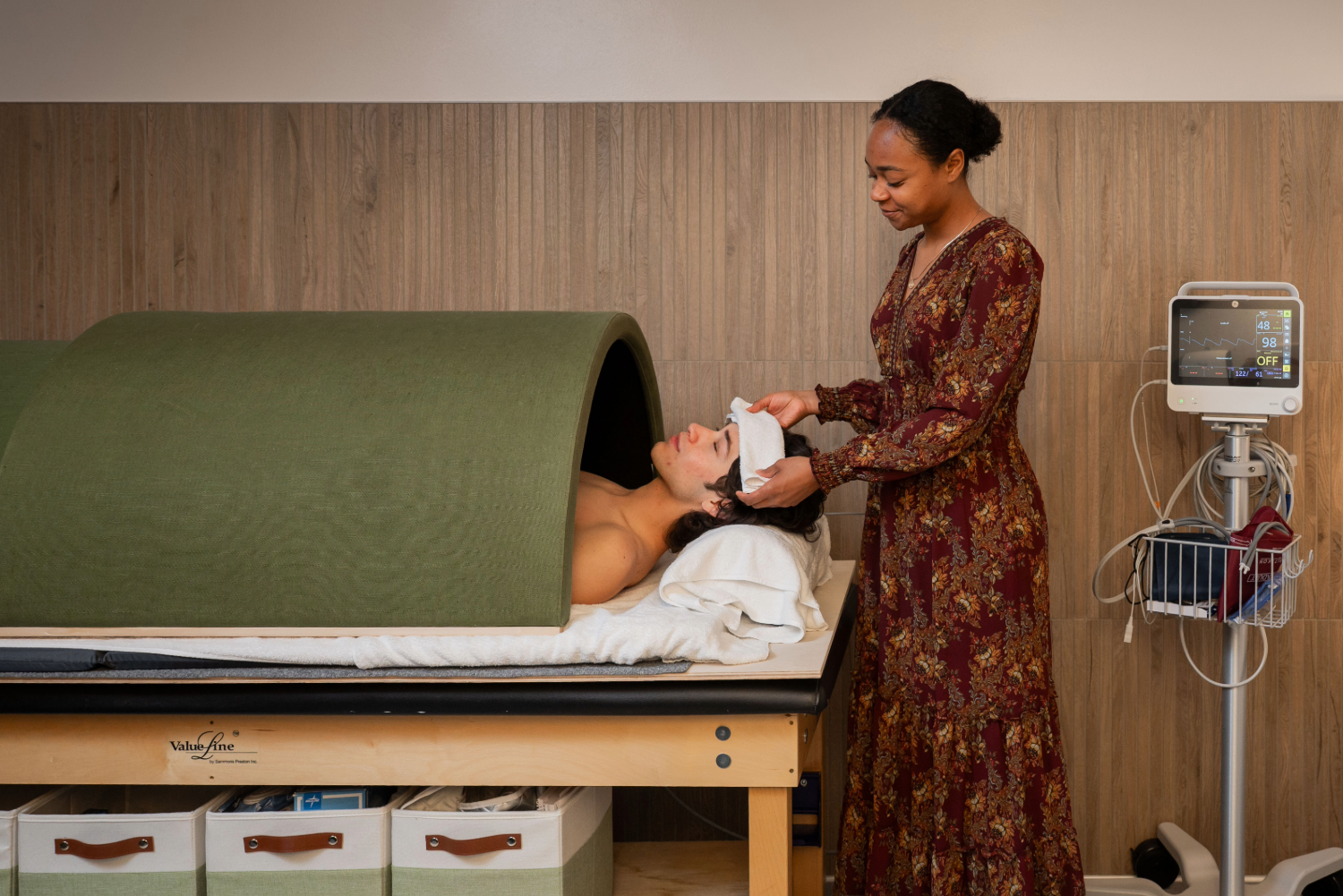
Hot, Cold and Mental Health: Inside Vail Health’s CHILL’D Research Study
Depression, a mental illness affecting more than 18% of American adults, has no blood marker or single biological cause. It looks and feels different in everyone because the brain is a complex organ, and there is no single way that depression develops. Like many mental health conditions, depression can be treated through medical, pharmaceutical and alternative approaches. One promising avenue under study at Vail Health’s Behavioral Health Innovation Center is contrast therapy — combining sauna and cold plunge treatments.
-
New!
More

What to Expect Before, During and After a Colonoscopy
If you've been putting off a colonoscopy, you're not alone. It's one of the most recommended — and most avoided — preventive screenings in medicine. But here's what most people don't realize until after their first one: the procedure itself is a non-event. You're asleep. You don't feel a thing. What people actually dread, and what they talk about afterward, is the prep. The good news is that even the prep is manageable, and the payoff is enormous. Colorectal cancer is one of the most preventable cancers when caught early. A colonoscopy doesn't just detect it; in many cases, it stops cancer before it starts.
-
New!
More

Navigating Men’s Sexual Health: Erectile Dysfunction and the Bigger Picture
For something so common — and treatable — erectile dysfunction (ED) is still surprisingly difficult to talk about. “The biggest misconception men have is that there’s a mechanical or physical problem with them, and that’s usually not the case,” explains Dr. Joseph Dall’Era, a urologist at Vail Health. In reality, ED is far more nuanced and manageable than people realize. Understanding what’s happening and knowing when to speak up can shift the experience.