


News
The Heart of It All: How Cardiovascular Health Shapes Longevity

Most of us know a healthy heart will increase our chances for a long and vital life, but how many of us truly understand how to live for a healthy heart?
According to the American Heart Association, heart disease remains the number one cause of death, for both men and women, in the United States.
“We’re obviously doing something wrong when we spend more money than any other country on health care, but have some of the worst health,” says Dr. Barry Sandler, a Healthspan physician, dual board-certified in emergency medicine and anti-aging and regenerative medicine at Vail Health.
Traditionally, patients see cardiologists, like Vail Health’s Dr. Kate Schuetze, only once they have a problem. Perhaps they’ve already experienced a heart attack, or their poor lifestyle choices have put them at risk of a life-threatening event. Schuetze helps her patients navigate heart disease and reduce their risk of heart attacks, strokes and other cardiovascular problems through lifestyle changes, medication and surgery.
Heart health is not necessarily complicated. Daily exercise and eating an anti-inflammatory diet, such as the Mediterranean diet, will do wonders for one’s heart.
“Even something as simple as a 30-minute walk, five days a week has really beneficial cardiovascular effects,” Schuetze says. “It doesn’t have to be something crazy.”
A few of the top tips to integrate into your life for heart health include:
- Exercise at least five times a week
- Eat an anti-inflammatory diet with plenty of fruits, vegetables and lean meats
- Avoid tobacco and inhaled substances, including marijuana and vapes
- Make sleep a priority — at least seven hours a night
- Visit your medical provider annually
“I’m constantly amazed at the number of highly educated people who don’t know how to eat healthy,” Sandler says.
Sandler is among the team at Vail Health working to change that. A former emergency physician, Sandler now works as the medical director for Vail Health’s new Healthspan program, which teaches participants of all ages how to change their habits to prevent heart disease.
“It’s really for anybody who wants to improve their health, improve their outlook on life and really live a better, happier life,” Sandler says.
Building Health for the Long Run
Healthspan takes a holistic approach to heart health with personalized, hands-on care and education. The eight-month program includes extensive blood and fitness testing at the beginning, middle and end of program, in order to assess and address any potential problems and measure one’s change during the program. Each participant meets and works with fitness trainers, nutritionists, medical and mental health providers to create an individualized plan for health, including meal planning and a personalized daily fitness routine.“There is no other program in the country that we know of that has this multi-disciplinary approach to healthcare over this extended period of time,” he says.
In just a year, Sandler has witnessed major transformations among initial pilot-program participants. One woman, for example, came to the program overweight and stressed. She believed the drug Ozempic was her only solution to weight loss. (While Healthspan’s medical providers can write prescriptions, if necessary, the goal of the program is to first address health problems through lifestyle changes. If that isn’t sufficient, they can prescribe medications.) By the end of the eight months, the same woman lost nearly 30 pounds and no longer needed the antidepressants she’d relied on for so long.
“At the end of the program, she realized she didn’t need Ozempic,” Sandler says. “She’s never been healthier or happier in her life.”
To date, Heathspan participants have ranged from 23 to 88 years old and include lifelong athletes and those struggling to control their weight and manage stress as they navigate middle-age and beyond.
While diet and exercise are typically the top factors that contribute to (or compromise) heart health, both Schuetze and Sandler stress the importance of also getting a good night sleep (the general recommendation is a minimum of seven hours, but some folks need more) and learning to manage one’s stress. Schuetze also recommends avoiding tobacco or any inhaled substances.
“While we have less data for marijuana and vaping, there is good data that anything you inhale into your lungs is pretty noxious for your vasculature,” she says.
They also stress the importance of an annual checkup. Regular checkups increase the chance that a problem will be discovered in time to manage it before it becomes life-threatening.
For more information on Vail Health’s Healthspan program, visit VailHealthspan.com or call (970) 331-0298. Participating Vail Health employees are eligible for a corporate wellness credit match.
More News
-
New!
More
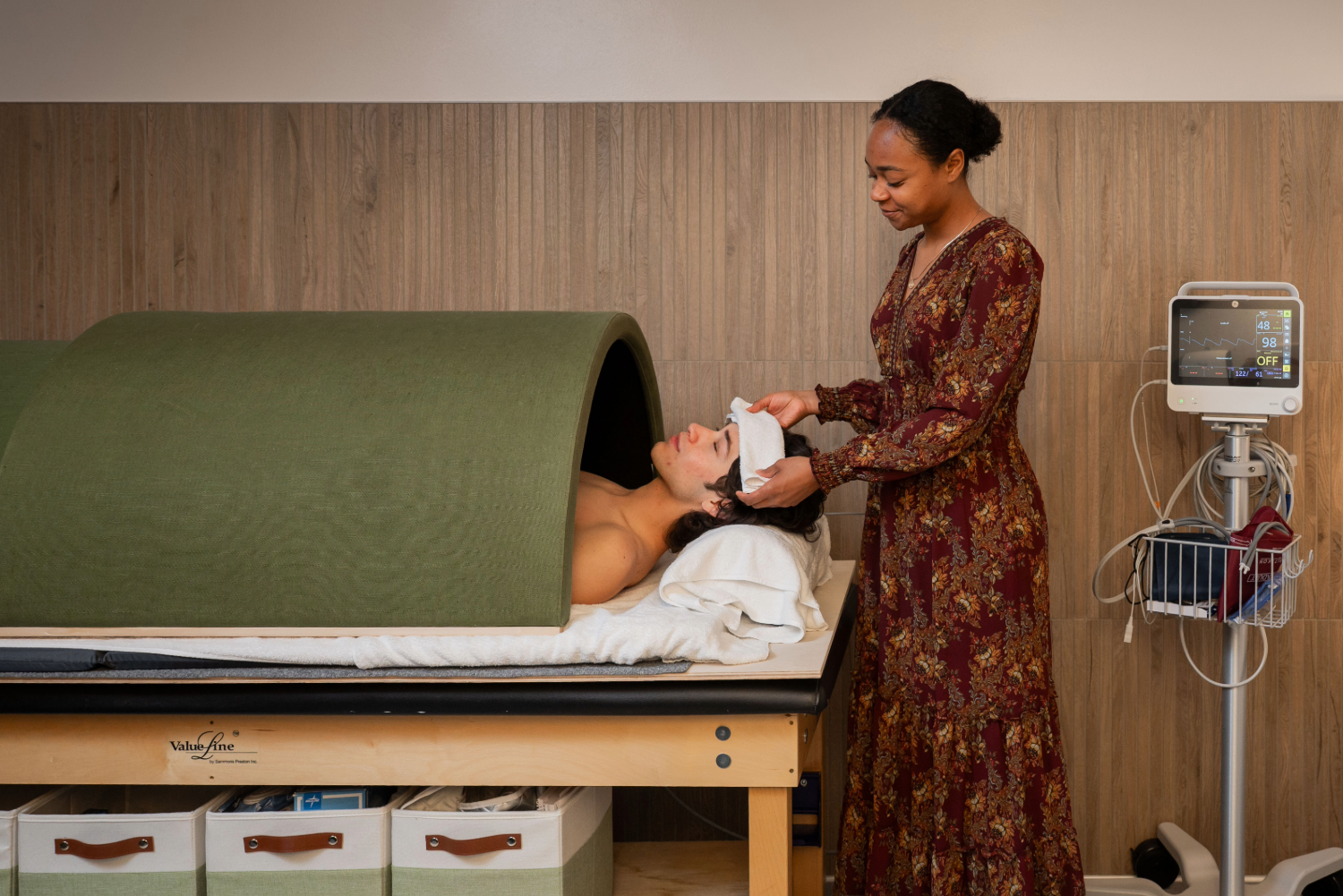
Hot, Cold and Mental Health: Inside Vail Health’s CHILL’D Research Study
Depression, a mental illness affecting more than 18% of American adults, has no blood marker or single biological cause. It looks and feels different in everyone because the brain is a complex organ, and there is no single way that depression develops. Like many mental health conditions, depression can be treated through medical, pharmaceutical and alternative approaches. One promising avenue under study at Vail Health’s Behavioral Health Innovation Center is contrast therapy — combining sauna and cold plunge treatments.
-
New!
More

What to Expect Before, During and After a Colonoscopy
If you've been putting off a colonoscopy, you're not alone. It's one of the most recommended — and most avoided — preventive screenings in medicine. But here's what most people don't realize until after their first one: the procedure itself is a non-event. You're asleep. You don't feel a thing. What people actually dread, and what they talk about afterward, is the prep. The good news is that even the prep is manageable, and the payoff is enormous. Colorectal cancer is one of the most preventable cancers when caught early. A colonoscopy doesn't just detect it; in many cases, it stops cancer before it starts.
-
New!
More

Navigating Men’s Sexual Health: Erectile Dysfunction and the Bigger Picture
For something so common — and treatable — erectile dysfunction (ED) is still surprisingly difficult to talk about. “The biggest misconception men have is that there’s a mechanical or physical problem with them, and that’s usually not the case,” explains Dr. Joseph Dall’Era, a urologist at Vail Health. In reality, ED is far more nuanced and manageable than people realize. Understanding what’s happening and knowing when to speak up can shift the experience.