



News
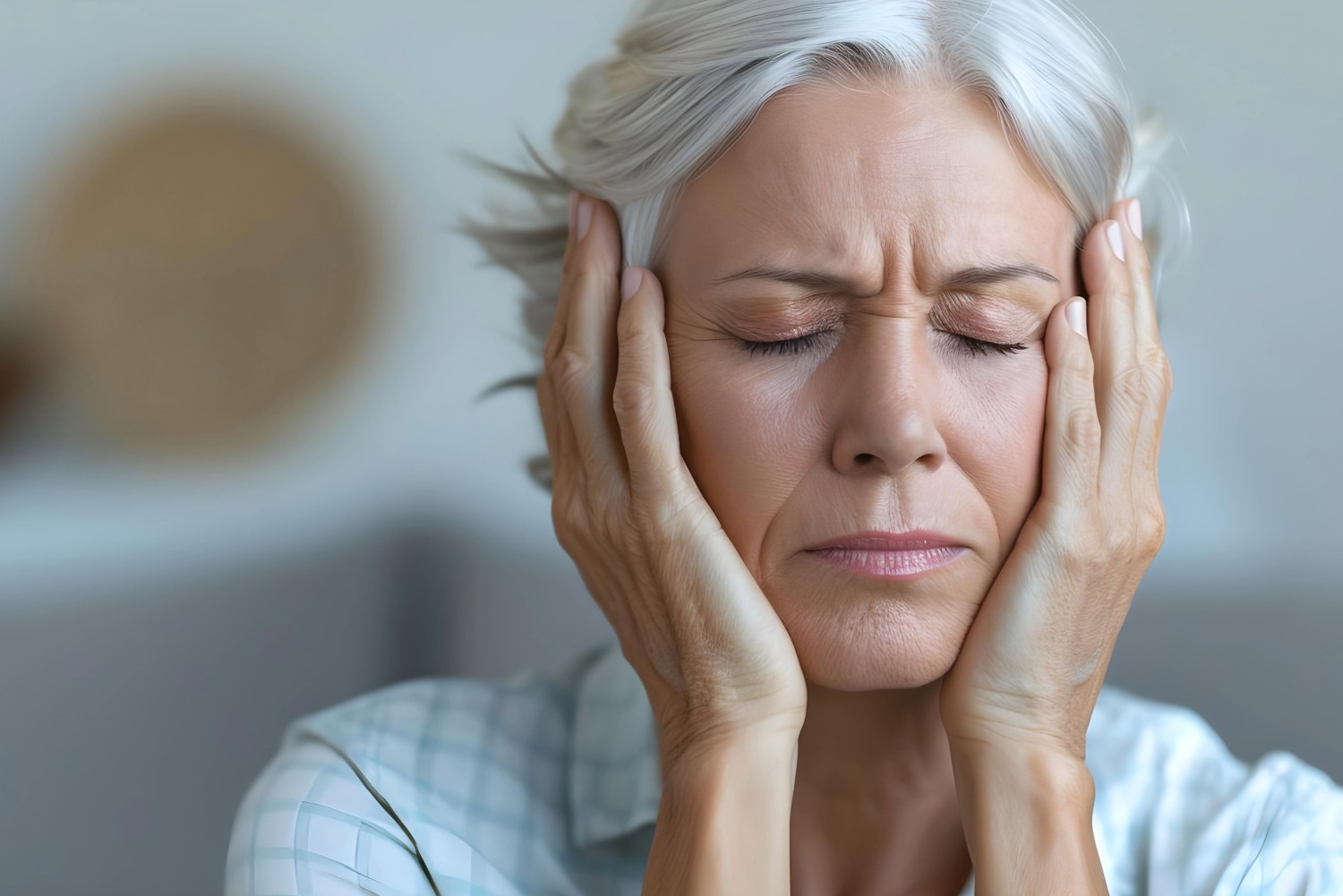
Stressing Out? Stop!
Creating space in the day to stop, come down from the worried mind, and get back into the present moment has been shown to be enormously helpful in mitigating the negative effects of our stress response. When we drop into the present, we're more likely to gain perspective and see that we have the power to regulate our response to pressure.
Here's a short 1-3 minute practice you can weave into your day to step into that space between stimulus and response.
Stop what you're doing; put things down for a minute.
Take a few deep breaths. If you'd like to extend this, you can take a minute to breathe normally and naturally and follow your breath coming in and out of your nose. You can even say to yourself "in" as you're breathing in and "out" as you're breathing out if that helps with concentration.
Observe your experience just as it is-including thoughts, feelings, and emotions. You can reflect about what is on your mind and also notice that thoughts are not facts, and they are not permanent. Notice any emotions present and how they're being expressed in the body.
Research shows that just naming your emotions can turn the volume down on the fear circuit in the brain and have a calming effect. Then notice your body. Are you standing or sitting? How is your posture? Any aches or pains?
Proceed with something that will support you in the moment: talk to a friend, rub your shoulders, have a cup of tea.
Smart Tip: You can even use your smartphone's message indicator as a reminder to STOP. What would it be like in the days, weeks, and months ahead if you started stopping more often?
-Adapted from an article written by By Elisha Goldstein in the August 2013 issue of Mindful magazine.

More News
-
New!
More
Hot, Cold and Mental Health: Inside Vail Health’s CHILL’D Research Study
Depression, a mental illness affecting more than 18% of American adults, has no blood marker or single biological cause. It looks and feels different in everyone because the brain is a complex organ, and there is no single way that depression develops. Like many mental health conditions, depression can be treated through medical, pharmaceutical and alternative approaches. One promising avenue under study at Vail Health’s Behavioral Health Innovation Center is contrast therapy — combining sauna and cold plunge treatments.
-
New!
More
What to Expect Before, During and After a Colonoscopy
If you've been putting off a colonoscopy, you're not alone. It's one of the most recommended — and most avoided — preventive screenings in medicine. But here's what most people don't realize until after their first one: the procedure itself is a non-event. You're asleep. You don't feel a thing. What people actually dread, and what they talk about afterward, is the prep. The good news is that even the prep is manageable, and the payoff is enormous. Colorectal cancer is one of the most preventable cancers when caught early. A colonoscopy doesn't just detect it; in many cases, it stops cancer before it starts.
-
New!
More
Navigating Men’s Sexual Health: Erectile Dysfunction and the Bigger Picture
For something so common — and treatable — erectile dysfunction (ED) is still surprisingly difficult to talk about. “The biggest misconception men have is that there’s a mechanical or physical problem with them, and that’s usually not the case,” explains Dr. Joseph Dall’Era, a urologist at Vail Health. In reality, ED is far more nuanced and manageable than people realize. Understanding what’s happening and knowing when to speak up can shift the experience.