


News
COVID-19 testing in Eagle County reserved for ‘most critical cases’
This article was first printed in the Vail Daily on March 14.
With community-level transmission of COVID-19 now confirmed in Eagle County, testing is not necessary for all patients and is being reserved for the most critical cases, according to Vail Health.
Only individuals classified as high-risk (over 60 or with underlying medical conditions) that are exhibiting symptoms of COVID-19 (including fever, cough or shortness of breath) should be tested.
Officials want to make the public aware that the Vail Hospital Emergency Department is available for life-threatening emergencies only.
National Guard joins CDPHE to open new test sites around Colorado
Colorado Governor Jared Polis visited a COVID-19 testing center at Denver Coliseum on Saturday to speak with state health workers, Colorado State Patrol and a National Guard medical team before the testing site opened.
“Beginning today, this site is supported by the Colorado National Guard to enable our Colorado Department of Public Health and Environment to stand up additional mobile testing in other areas of the state,” Polis wrote on the caption of his Facebook live stream.“And remember, a doctor’s note is needed for testing! Congress just passed an emergency bill to scale up testing but for now we are doing the most we can with what we have,” Polis wrote.
Slowing coronavirus spread
People who already have a chronic illness or are at risk of getting one should avoid unnecessary public contact. This includes people with cancer, people over the age of 60, and people with cardiovascular disease, diabetes, chronic respiratory disease, abnormally high blood pressure, cancer or anyone who is otherwise immunocompromised.
The focus is to slow the spread of the virus, protect the medical infrastructure, and protect the most vulnerable people in the community. Take personal responsibility to help stop the spread.
If you are sick and suspect it is COVID-19, please:
- Stay home;
- Call a primary care physician first;
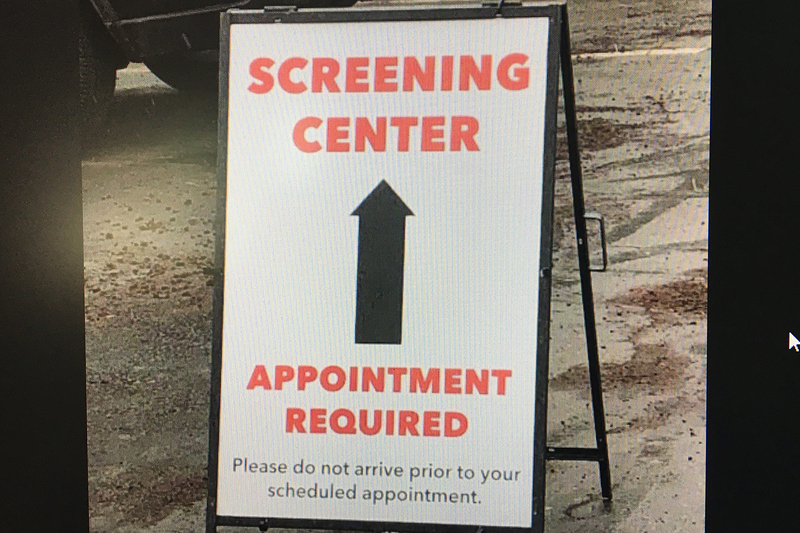
- Do not show up at testing facilities without a confirmed appointment;
- Separate yourself from other people in your home (minimum of 3 feet/1 meter);
- Avoid sharing personal household items and clean all “high touch” surfaces daily;
- Wear a facemask if encountering others;
- Cover your coughs and sneezes;
- Wash your hands frequently, and for at least 20 seconds;
- Monitor your symptoms for worsening illness.
Call the Colorado Health Emergency Line (CO Help) at 1-877-462-2911 for more information.
More News
-
New!
More
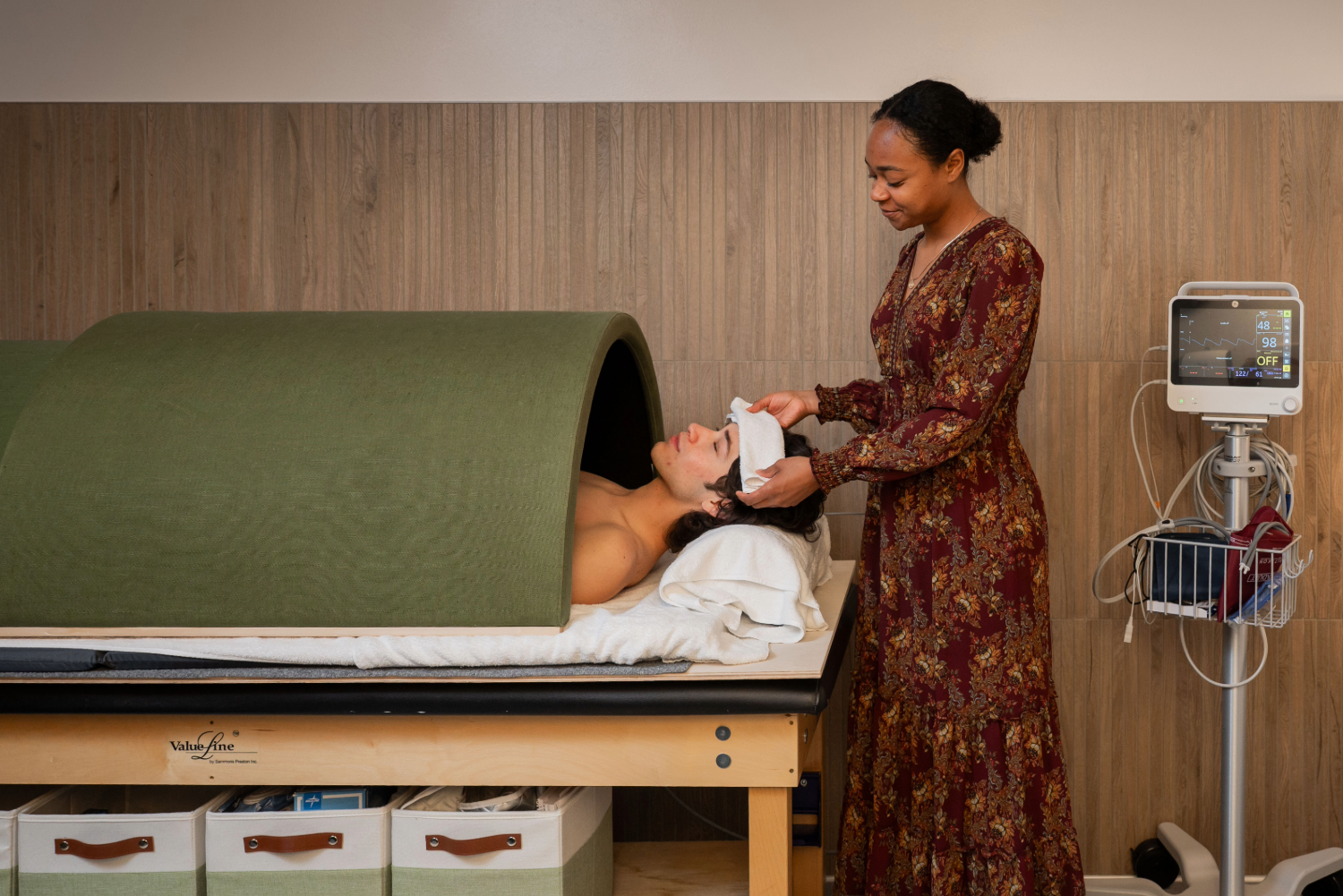
Hot, Cold and Mental Health: Inside Vail Health’s CHILL’D Research Study
Depression, a mental illness affecting more than 18% of American adults, has no blood marker or single biological cause. It looks and feels different in everyone because the brain is a complex organ, and there is no single way that depression develops. Like many mental health conditions, depression can be treated through medical, pharmaceutical and alternative approaches. One promising avenue under study at Vail Health’s Behavioral Health Innovation Center is contrast therapy — combining sauna and cold plunge treatments.
-
New!
More

What to Expect Before, During and After a Colonoscopy
If you've been putting off a colonoscopy, you're not alone. It's one of the most recommended — and most avoided — preventive screenings in medicine. But here's what most people don't realize until after their first one: the procedure itself is a non-event. You're asleep. You don't feel a thing. What people actually dread, and what they talk about afterward, is the prep. The good news is that even the prep is manageable, and the payoff is enormous. Colorectal cancer is one of the most preventable cancers when caught early. A colonoscopy doesn't just detect it; in many cases, it stops cancer before it starts.
-
New!
More

Navigating Men’s Sexual Health: Erectile Dysfunction and the Bigger Picture
For something so common — and treatable — erectile dysfunction (ED) is still surprisingly difficult to talk about. “The biggest misconception men have is that there’s a mechanical or physical problem with them, and that’s usually not the case,” explains Dr. Joseph Dall’Era, a urologist at Vail Health. In reality, ED is far more nuanced and manageable than people realize. Understanding what’s happening and knowing when to speak up can shift the experience.