

News
Breast Cancer Risk: Do Fruits & Veggies Matter?
Your mom was always right - we should be eating all of those fruits and vegetables! A recent comprehensive review of research from the American Institute for Cancer Research (AICR) found eating low-fat and increasing fruits and vegetables does in fact decrease the risk of breast cancer but what veggies and fruit you eat and how they are prepared matters too!
The recent AICR study asked people about their eating habits and then followed them to see if health problems can be linked back to their dietary practices. The highest vegetable and fruit consumer had an 11 percent reduction in risk of breast cancer. Additionally the highest fruit consumption linked with a six percent reduction and highest vegetable consumption being about one percent reduction in risk (which is too small to be statistically significant).
When analyzing the amount of fruit and vegetable intake it was found that each 1-2 cup intake of fruits and vegetables accounted for about a four percent decrease in risk. So the amount matters the more you eat the lower your risk. Another factor is what kinds of fruits and vegetable are consumed. Try to choose produce that is rich in color It usually means the fruit or veggies has the highest antioxidant content.
Dark Leafy Greens
The AICR also reviewed multiple studies looking at carotenoids veggies and fruits with deep orange red and greens. Carotenoids are powerful antioxidants that are linked to preventing some forms of cancer and heart disease and act to enhance your immune response to infections. The results showed that the highest consumption of beta-carotene is linked to a seven percent reduction in risk of breast cancer but no benefit was seen from beta-carotene supplements. But consumption doesn't always mean you get the highest quantities of the nutrients. Absorption of nutrients is increased when these vegetables are cooked and consumed with a modest amount of fat. So for the people cooking their veggies optimally the highest blood levels of total carotenoids was linked with a 26 percent decrease in breast cancer risk.
Did You Eat Your Brussel Sprouts?
Cruciferous vegetables like cabbage broccoli and collard greens have also been long-touted for their role in breast cancer prevention. Some of these vegetables such as brussel sprouts and kale are also rich in carotenoids which may account for some of their cancer-fighting power but they also contain indole-3-carbinol. This compound has been found in laboratory studies to inhibit enzymes that activate carcinogens turn on expression of tumor suppressor genes and shift estrogen metabolism to a weaker less cancer-promoting form. Analysis of 13 population studies showed the highest consumption of cruciferous vegetable is associated with a 15 percent decreased risk of breast cancer. Again amount matters. In Chinese populations the highest consumption was linked to 22 percent reduced risk but the highest consumers in China ate considerably more than the highest consumers in the US and Europe.
Interesting fact about cruciferous vegetables - they have been found to be less likely eaten by people who can taste PTC an organic compound. PTC has the unusual property that it either tastes very bitter or is virtually tasteless depending on the genetic makeup of the taster.
Bottom-line is the best-known prevention of breast cancer is to obtain or maintain a healthy weight (convincing evidence of increased risk with overweight and adult weight gain) exercise regularly eat a low-fat diet and limit alcohol intake (1 per day for women reduced to no more than 3 per week with family history of breast cancer). But adding more fruits and vegetables to your diet does have a place for breast cancer prevention as well and maintaining an overall healthy lifestyle.
To learn more about Nutrition for Breast Cancer Prevention join us Tuesday October 16 from 5:30-7:00 pm at Jack's Place - 332 Beard Creek Road in Edwards. Mel Hendershott Registered Dietician and Oncology Nutritionist from Shaw Regional Cancer Center will delve into the fruits and veggies and other nutrition strategies for prevention. This program is free and open to the public. A light prevention dinner will be served.
For more information on Shaw Regional Cancer Center please visit www.shawcancercenter.com. Shaw is a service of Vail Valley Medical Center a nonprofit medical center since 1965.
More News
-
More
Hot, Cold and Mental Health: Inside Vail Health’s CHILL’D Research Study
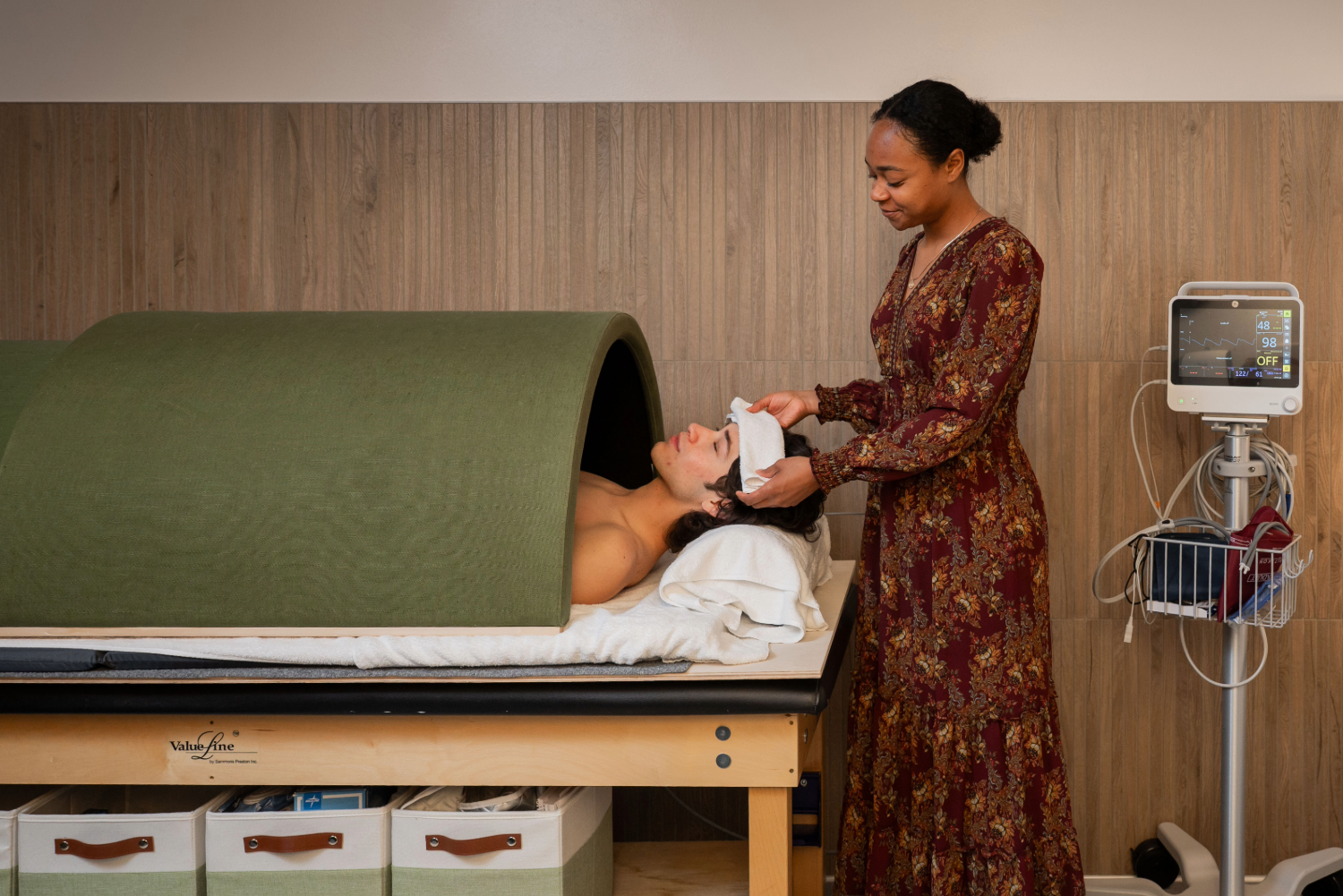
Depression, a mental illness affecting more than 18% of American adults, has no blood marker or single biological cause. It looks and feels different in everyone because the brain is a complex organ, and there is no single way that depression develops. Like many mental health conditions, depression can be treated through medical, pharmaceutical and alternative approaches. One promising avenue under study at Vail Health’s Behavioral Health Innovation Center is contrast therapy — combining sauna and cold plunge treatments.
-
More

What to Expect Before, During and After a Colonoscopy
If you've been putting off a colonoscopy, you're not alone. It's one of the most recommended — and most avoided — preventive screenings in medicine. But here's what most people don't realize until after their first one: the procedure itself is a non-event. You're asleep. You don't feel a thing. What people actually dread, and what they talk about afterward, is the prep. The good news is that even the prep is manageable, and the payoff is enormous. Colorectal cancer is one of the most preventable cancers when caught early. A colonoscopy doesn't just detect it; in many cases, it stops cancer before it starts.
-
More

Navigating Men’s Sexual Health: Erectile Dysfunction and the Bigger Picture
For something so common — and treatable — erectile dysfunction (ED) is still surprisingly difficult to talk about. “The biggest misconception men have is that there’s a mechanical or physical problem with them, and that’s usually not the case,” explains Dr. Joseph Dall’Era, a urologist at Vail Health. In reality, ED is far more nuanced and manageable than people realize. Understanding what’s happening and knowing when to speak up can shift the experience.