


Wellness Series
Building Strength, Protecting Bones, and Moving with Joy with Dr. Sarah Robinson

At Vail Health’s Wellness Series event, Fitness As You Age, Dr. Sarah Robinson, a Primary Care and Sports Medicine physician with Colorado Mountain Medical, spoke about the realities of aging and how fitness can help people stay independent, resilient, and joyful for decades to come. Drawing from both clinical expertise and her own love of skiing, hiking, biking, and keeping up with her kids, Dr. Robinson highlighted how intentional movement and smart choices today pay dividends in the future.
The Role of Muscle: Your Body’s Engine
Muscle is more than just strength, it stabilizes joints, protects bones, and helps regulate metabolism and blood sugar. Yet, beginning in our 30s, natural muscle loss (sarcopenia) gradually occurs, accelerating in later decades. Left unchecked, this decline can contribute to slower walking, loss of balance, greater fall risk, and increased likelihood of diabetes or weight gain.The good news? Strength training and adequate protein can slow, stop, or even reverse this process, even in our 70s and 80s. Dr. Robinson encourages adults to aim for 1.0–1.2 grams of protein per kilogram of body weight each day (roughly 70–90 grams for many adults), spread across meals. Lean meats, fish, eggs, beans, lentils, soy, nuts, seeds, and Greek yogurt are excellent options.
She compares muscle to a retirement account: deposits made now will yield valuable returns in independence and resilience later in life.
Bone Health: Fighting the Silent Thief
Osteoporosis, often called the “silent thief,” weakens bones without obvious symptoms until a fracture occurs. Most commonly in the hip, spine, or wrist. Women are particularly vulnerable, losing up to 20% of bone density within the first five to seven years after menopause. Men also lose bone density with age, though at a slower pace.Fortunately, bones adapt to stress. Weight-bearing activities such as walking, hiking, and dancing, combined with resistance training, can help strengthen bones. Nutrition is equally important:
- Calcium: 1000–1200 mg per day
- Vitamin D: 800–1000 IU per day
Osteoarthritis: Moving Smarter, Not Less
By age 65, nearly one in three people experience osteoarthritis in at least one joint. But Dr. Robinson emphasizes that this is not a reason to stop moving, in fact, movement is medicine. Staying active slows arthritis progression, while strengthening surrounding muscles helps take pressure off affected joints.Low-impact activities such as swimming, cycling, yoga, Pilates, or using an elliptical are excellent options. She also stresses the impact of body weight on joint health: each extra pound of weight adds 4–6 pounds of pressure across the knee with every step. Even modest weight loss can significantly reduce pain and stress on joints.
As a Sports Medicine physician, Dr. Robinson treats arthritis with a range of non-surgical options. From ultrasound-guided injections and biologic therapies to physical therapy collaborations. For her, the key message is clear: arthritis isn’t the end of activity, it’s a signal to move smarter.
Practical Fitness Guidelines for Aging Well
Dr. Robinson shared a range of practical, evidence-based strategies for staying strong, mobile, and resilient:- Balance activity types. Aim for 150 minutes of aerobic activity per week plus two days of strength training. Outdoor enthusiasts in the mountains often exceed aerobic goals but may neglect strength work.
- Don’t fear weights. Bands, bodyweight movements, and light dumbbells are effective. Focus on hips, glutes, and core for stability, plus upper body strength for carrying gear or planting poles.
- Prioritize balance and flexibility. Single-leg drills, lunges, and step-ups improve stability, while yoga and stretching reduce stiffness and prevent injuries. For older adults, balance training is as critical as strength for fall prevention.
- Respect recovery at altitude. High altitude increases physical stress, fluid loss, and fatigue. Dr. Robinson recommends hydration (2–3 liters per day), good sleep hygiene, and proper nutrition — especially protein and vitamin D. Rest days are essential for long-term adaptation.
- Prevent overuse. In highly active mountain communities, overuse injuries are common. Balancing activity with recovery and strength training reduces risk.
- Find joy in movement. The best exercise is the one you’ll stick with. Whether it’s pickleball, skiing, dance, or hiking with friends, choosing enjoyable activities makes consistency easier and builds community.
Building Resilience for Decades
For Dr. Robinson, the most rewarding part of medicine is prevention. She believes fitness as we age isn’t about chasing youth, but about building resilience and maintaining the ability to do what we love; skiing with grandkids, hiking with friends, or living without the fear of falling.Her closing challenge to the audience was simple yet powerful: Add one small step this week to keep your body moving for decades to come. Your future self will thank you.
More News
-
More
Hot, Cold and Mental Health: Inside Vail Health’s CHILL’D Research Study
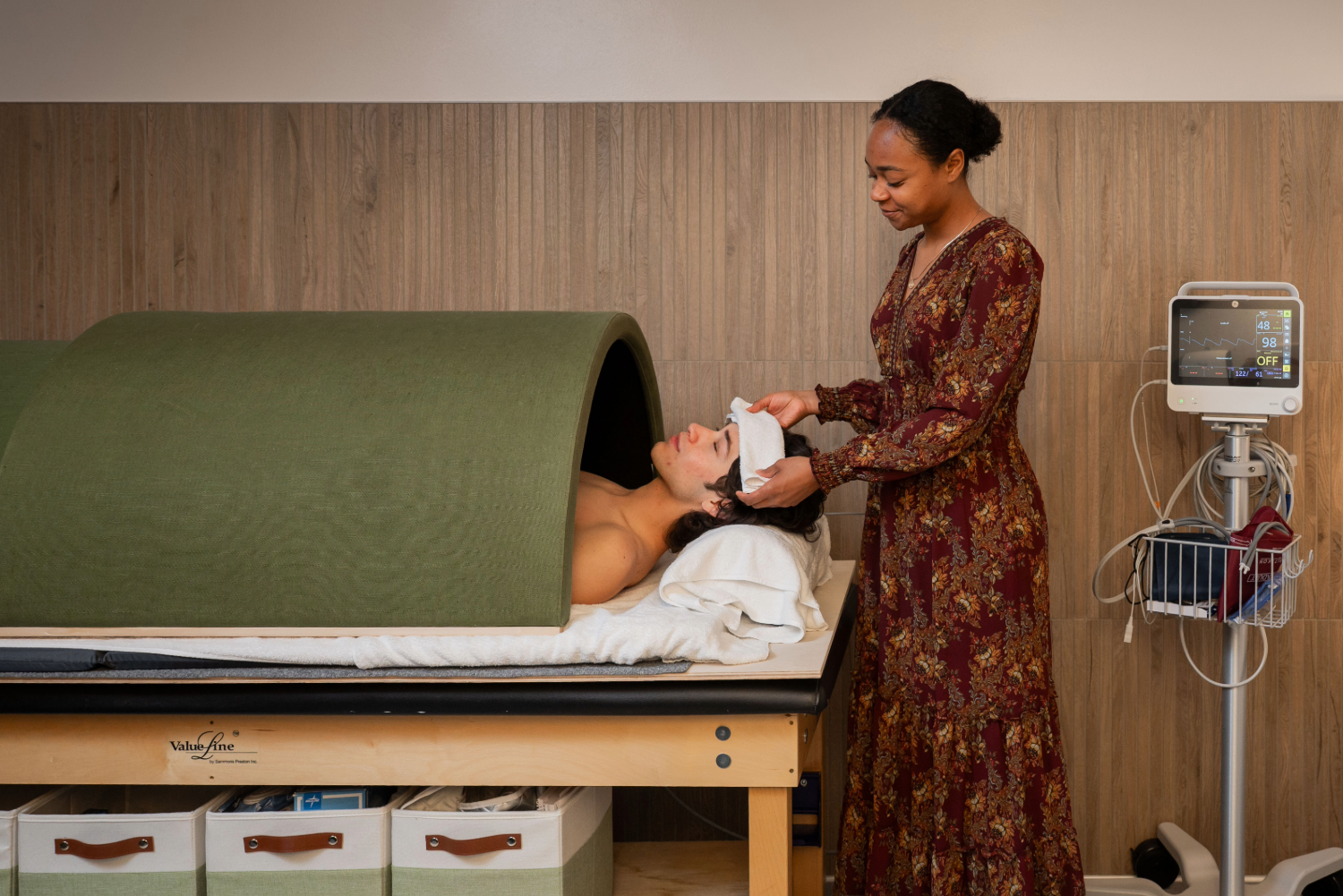
Depression, a mental illness affecting more than 18% of American adults, has no blood marker or single biological cause. It looks and feels different in everyone because the brain is a complex organ, and there is no single way that depression develops. Like many mental health conditions, depression can be treated through medical, pharmaceutical and alternative approaches. One promising avenue under study at Vail Health’s Behavioral Health Innovation Center is contrast therapy — combining sauna and cold plunge treatments.
-
More

What to Expect Before, During and After a Colonoscopy
If you've been putting off a colonoscopy, you're not alone. It's one of the most recommended — and most avoided — preventive screenings in medicine. But here's what most people don't realize until after their first one: the procedure itself is a non-event. You're asleep. You don't feel a thing. What people actually dread, and what they talk about afterward, is the prep. The good news is that even the prep is manageable, and the payoff is enormous. Colorectal cancer is one of the most preventable cancers when caught early. A colonoscopy doesn't just detect it; in many cases, it stops cancer before it starts.
-
More

Navigating Men’s Sexual Health: Erectile Dysfunction and the Bigger Picture
For something so common — and treatable — erectile dysfunction (ED) is still surprisingly difficult to talk about. “The biggest misconception men have is that there’s a mechanical or physical problem with them, and that’s usually not the case,” explains Dr. Joseph Dall’Era, a urologist at Vail Health. In reality, ED is far more nuanced and manageable than people realize. Understanding what’s happening and knowing when to speak up can shift the experience.