


Healthspan & Wellness
Empowering the Mind and Body: The Role of Strength Training in Mental Health & Aging
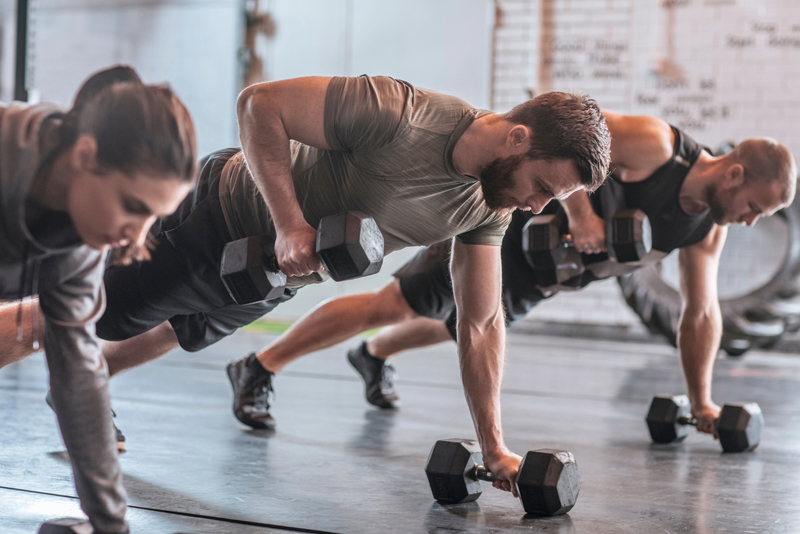
In a fast-paced world where the demands of daily life can be overwhelming, maintaining both mental and physical well-being becomes paramount. While many turn to traditional forms of exercise to alleviate stress and enhance mental health, the often-overlooked hero in this quest is strength training. Below, we explore the importance of strength training in relation to mental health and aging and provide practical tips on how to incorporate strength training into a busy lifestyle.
The Mind-Body Connection
The interplay between physical and mental health is a dynamic relationship that cannot be ignored. Numerous studies have demonstrated the positive impact of strength training on mental health. Engaging in resistance exercises stimulates the release of endorphins, the body's natural mood elevators. This not only reduces symptoms of anxiety and depression but also enhances cognitive function including in older adults with mild cognitive impairment. Numerous studies demonstrate the link between a loss of muscle mass as we age and cognitive decline, speaking to the importance of maintaining strength especially as we age.
Sarcopenia: A Silent Threat
As we age, the gradual loss of muscle mass, known as sarcopenia, poses a significant threat to our overall health. Sarcopenia can lead to a loss of strength and functionality, impaired metabolism, increased fatigue, insulin resistance, increased hospitalization risk, and bone health implications (for example, osteoporosis). Strength training emerges as a powerful ally against this natural process, helping to maintain and build muscle mass. By incorporating resistance exercises into your routine, you can mitigate the effects of sarcopenia, ensuring a stronger and more functional body as you age.
Osteoporosis: Building Strong Bones
Osteoporosis, characterized by weakened bones, is a condition that primarily affects older adults, especially women. Strength training, with its focus on weight-bearing exercises, plays a crucial role in promoting bone density. Regular resistance training not only helps prevent osteoporosis but can also be an effective part of the treatment for those already diagnosed with the condition.
Incorporating Strength Training into a Busy Lifestyle
A big challenge is often finding the time to integrate strength training into our busy lives. Here are some practical tips:
- Short, Intense Sessions: Focus on shorter, high-intensity workouts. A 20-30 minute strength training session can be just as effective as longer workouts, making it easier to fit into a tight schedule.
- Home Workouts: Invest in a set of dumbbells or resistance bands for at-home workouts. Eliminating the need to travel to the gym can save valuable time.
- Combine Strength Training with Cardio: Create efficient workouts by combining strength training with cardiovascular exercises. This not only saves time but also provides a comprehensive fitness routine.
- Accountability: If you need accountability or help getting started, consider joining a gym with structured strength training classes that fit your schedule and abilities.
- Something is Better than Nothing: Five minutes of strength training carved out of your day is better than 0 minutes. If time constraints limit you to five minutes, optimize by alternating between upper and lower body exercises on different days.
For those new to strength training, simplicity is key. You can find a plethora of online videos and exercise programs to get you started, but here are some basics:
- Bodyweight Exercises: Master fundamental bodyweight exercises such as squats, lunges, push-ups, bridges, and planks. These can be done anywhere, requiring no special equipment.
- Dumbbell Circuit: Perform a circuit of exercises using dumbbells, targeting major muscle groups. Include squats, deadlifts, overhead presses, chest presses, bicep curls, triceps extensions, and rows for a well-rounded routine.
- Resistance Bands Routine: Utilize resistance bands for a low-impact but effective workout. Incorporate seated rows, bicep curls, chest presses, lateral raises, leg presses, squats, and the monster walk to engage different muscle groups.
More News
-
More
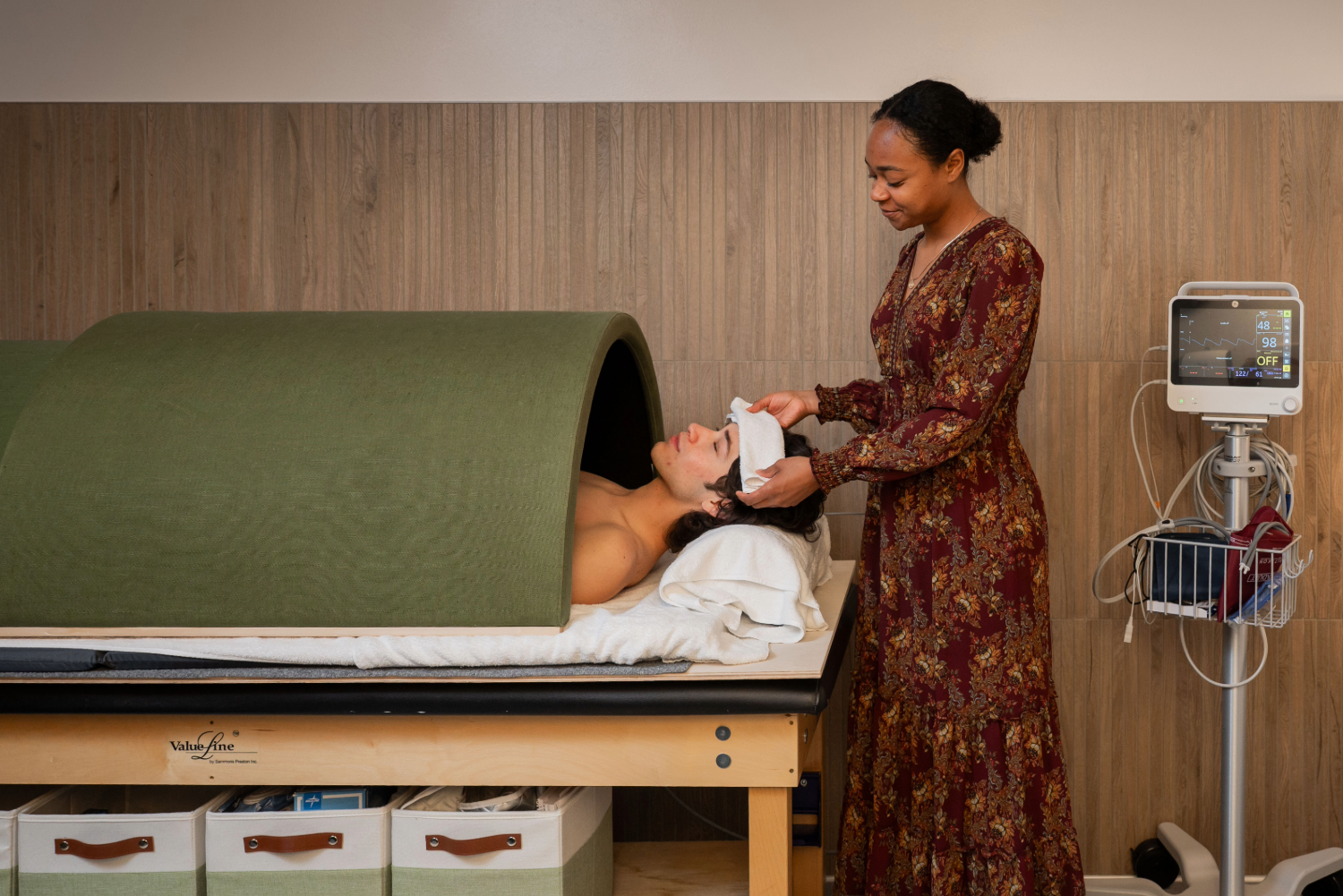
Hot, Cold and Mental Health: Inside Vail Health’s CHILL’D Research Study
Depression, a mental illness affecting more than 18% of American adults, has no blood marker or single biological cause. It looks and feels different in everyone because the brain is a complex organ, and there is no single way that depression develops. Like many mental health conditions, depression can be treated through medical, pharmaceutical and alternative approaches. One promising avenue under study at Vail Health’s Behavioral Health Innovation Center is contrast therapy — combining sauna and cold plunge treatments.
-
More

What to Expect Before, During and After a Colonoscopy
If you've been putting off a colonoscopy, you're not alone. It's one of the most recommended — and most avoided — preventive screenings in medicine. But here's what most people don't realize until after their first one: the procedure itself is a non-event. You're asleep. You don't feel a thing. What people actually dread, and what they talk about afterward, is the prep. The good news is that even the prep is manageable, and the payoff is enormous. Colorectal cancer is one of the most preventable cancers when caught early. A colonoscopy doesn't just detect it; in many cases, it stops cancer before it starts.
-
More

Navigating Men’s Sexual Health: Erectile Dysfunction and the Bigger Picture
For something so common — and treatable — erectile dysfunction (ED) is still surprisingly difficult to talk about. “The biggest misconception men have is that there’s a mechanical or physical problem with them, and that’s usually not the case,” explains Dr. Joseph Dall’Era, a urologist at Vail Health. In reality, ED is far more nuanced and manageable than people realize. Understanding what’s happening and knowing when to speak up can shift the experience.