


News
GLP-1s and Your Health Journey: What You Need to Know
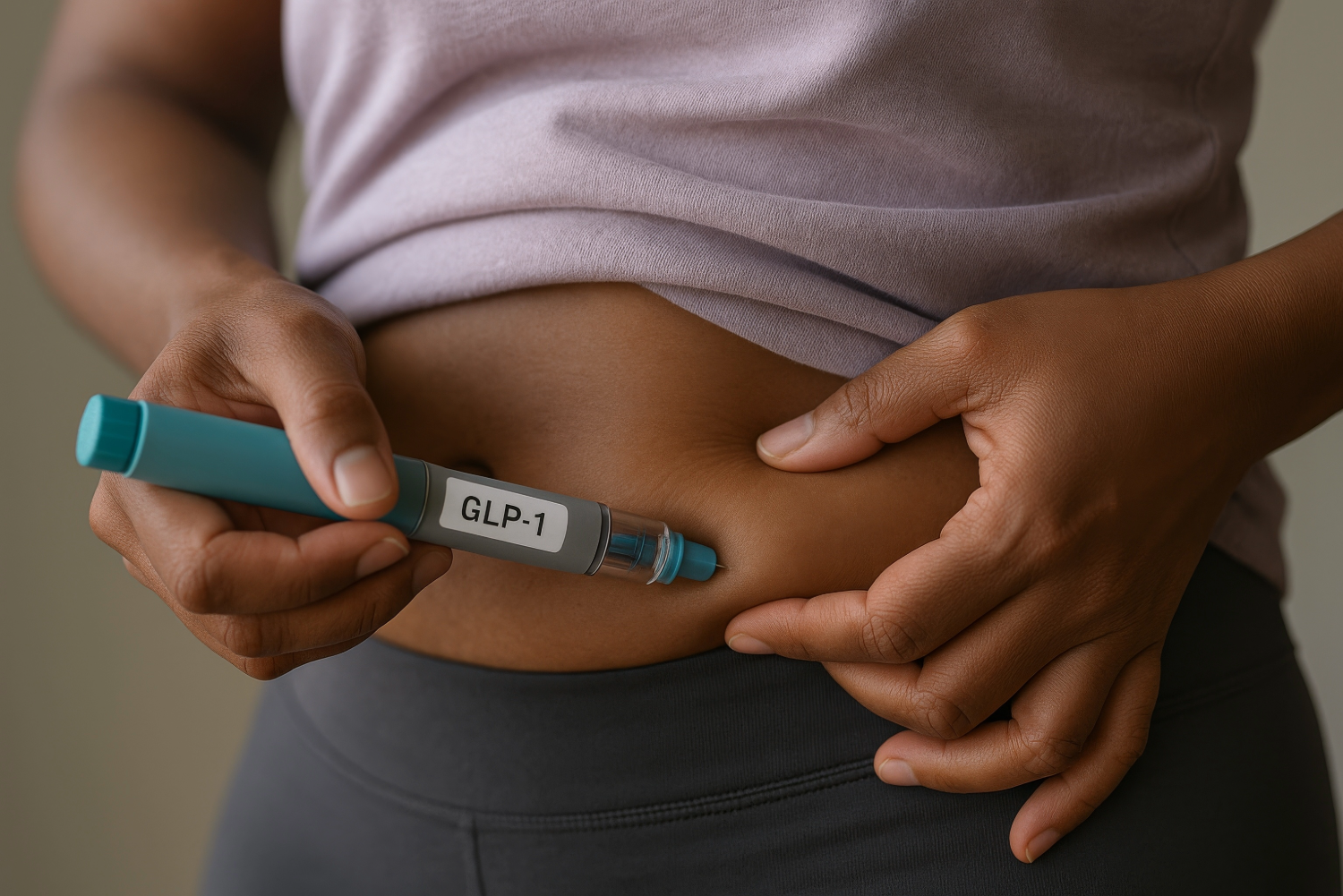
Interest in GLP-1 agonist medications, once used almost exclusively for diabetes, is soaring. Now widely referred to as weight loss injections, drugs like semaglutide (Ozempic, Wegovy) and tirzepatide (Mounjaro, Zepbound) are ubiquitous in celebrity chatter, social media and everyday patient conversations. But as demand grows, it’s increasingly important to separate hype from reality. Who qualifies for these drugs under FDA guidelines? When are they helpful? And when might carefully supported lifestyle changes offer a safer or more sustainable path?
Across the board, experts from Vail Health Concierge Medicine, Vail Health Functional Medicine and Colorado Mountain Medical Endocrinology agree: the decision to start a GLP-1 should begin with a thorough, individualized conversation between provider and patient.
How GLP-1 Medications Work
GLP-1 medications mimic the naturally occurring incretin hormone glucagon-like peptide-1, which helps regulate metabolism.“GLP-1 agonists stimulate glucose-dependent insulin secretion, slow gastric emptying and reduce new sugar production,” says Dr. Melissa O’Meara, medical director of Vail Health Concierge Medicine. “These medications affect not only blood sugar but also cholesterol metabolism, heart function, liver cells, adipose tissue and even the brain.”
Most GLP-1 medications are injectable, though semaglutide also has an oral formulation (Rybelsus) for certain diabetes and cardiovascular indications. Newer medications target multiple receptors. Tirzepatide, for instance, acts on both GLP-1 and GIP receptors, a dual mechanism that supports weight loss and may reduce side effects like nausea. Triple-agonists now in clinical trials may expand these benefits further, affecting appetite, energy expenditure and fat metabolism.
Understanding how GLP-1s act across body systems helps patients make informed decisions about whether these medications fit into their overall health plan.
Who Are GLP-1s For?
GLP-1s are FDA-approved for type 2 diabetes, chronic weight management and are increasingly used for cardiovascular disease, fatty liver disease and sleep apnea.Endocrinologist Dr. Rebecca Adochio of Colorado Mountain Medical emphasizes their value for people with diabetes or elevated metabolic risk. “We now understand that starting GLP-1s early in diabetes management is beneficial not just for blood sugar, but for heart and kidney health,” she says. Adochio has prescribed GLP-1s for decades, highlighting that while most of her patients still use them for type 2 diabetes, obesity management has become a significant and appropriate, part of patient care.
Her team also evaluates patients holistically. “We have patients referred for thyroid or adrenal issues who also have obesity, so we don’t ignore that,” she says. “We take a comprehensive view.”
Despite their popularity, GLP-1s aren’t for everyone. FDA approvals vary, and insurance coverage often requires documentation of metabolic disease or diabetes. As O’Meara puts it: “One-size-fits-all medicine is bad medicine.”
From a functional medicine perspective, Eliza Klearman, ND, views GLP-1s as a metabolic “jumpstart” when appropriate. “These medications help people manage appetite, reduce joint pain and improve mobility, which in turn allows lifestyle changes to become feasible,” she says. Still, lifestyle remains foundational. “GLP-1s must be used in addition to, not instead of, nutrition, resistance training, stress management, sleep and social connection,” she adds.
Adochio also emphasizes the importance of lifestyle intervention and behavior change. “We never prescribe any medicine without first addressing lifestyle. Some patients just need education and guidance: Do you drink soda? Do you know how to create a nutritional meal? ? Are you engaged in routine exercise? Basic habits are often the first target.”
When Lifestyle Changes Come First
Klearman stresses that lifestyle is always the starting point in functional medicine. “I always begin with goals, health history and lifestyle pillars: nutrition, resistance training, sleep, stress management and social connection,” she says.For metabolically healthy patients seeking minor weight loss, lifestyle changes alone may be the safest and most effective approach. GLP-1s can help patients who struggle with hunger or satiety, but the medication works best when paired with sustainable behavioral change.
Klearman notes that some patients respond well to natural GLP-1 alternatives such as gut-focused nutraceuticals, though results are modest and never a substitute for structured interventions.
O’Meara reiterates the importance of individualized care, guided by a medical provider. “For some patients, the medication is necessary. For others, building habits first is the safer and more beneficial path,” she says.
Klearman encourages patients to explore GLP-1s with a qualified prescriber, such as O’Meara or Adochio, when:
- They have clear metabolic disease or high cardiovascular risk
- Multiple, well-supported lifestyle attempts have failed
- The physical burden of weight — joint pain, sleep apnea, severe fatigue — prevents lifestyle progress
Understanding GLP-1 Side Effects
Side effects are a key consideration to GLP-1 medications. Nausea is the most common, caused by slower gastric emptying. Patients may also experience vomiting, diarrhea, constipation or reflux.“We counsel patients carefully and emphasize dosing adjustments,” Adochio says. “Patients typically build tolerance, but it’s important to follow instructions and stop the medication if severe symptoms occur.”
Another common question: Do you have to stay on GLP-1s forever?
The answer varies. Some patients use GLP-1 therapy long-term, especially those with diabetes or significant metabolic disease. Others hope to taper off once health markers improve, something that requires careful planning.
Klearman specializes in these transitions. “Appetite often comes back, sometimes more intensely,” she says. “We structure nutrition, prioritize strength training and do nervous system and mindset work to support cravings, anxiety and all-or-nothing thinking. Some weight fluctuation is normal; success is not defined by staying at the lowest number ever achieved.”
O’Meara notes that weight regain is common. “More than half of patients regain about two-thirds of what they lost. The data are clear, so we focus on nutrition, strength training and realistic expectations when tapering.”
Cost, Access and Avoiding Misinformation
GLP-1 and GLP-1/GIP agonists can cost $299+ per month (oral Wegovy just came out with $149 per month starting dose), and insurance coverage varies. For patients whose insurance will not cover the medications, O’Meara recommends exploring manufacturer programs like LillyDirect (Zepbound) and NovoCare (Wegovy). “These are FDA-inspected and cost-effective alternatives,” she says.Compounded GLP-1s, on the other hand, are often sold online without proper oversight and pose serious safety risks. “Just because it’s the same molecule doesn’t mean it’s the same drug,” Adochio says.
All three providers caution against influencer-driven advice or online recommendations about dosing, expectations or “generic” GLP-1 products.
Adochio also emphasizes that obesity care belongs within the medical system. “Our hope is that obesity is treated by primary care,” she says. “Endocrinology is essential when we ask, ‘Does this patient need screening for another underlying condition?’ But primary care providers are the front line.”
Takeaways: Partner With Your Providers
GLP-1 medications can be powerful tools in managing obesity, diabetes and metabolic health. But they work best when paired with comprehensive lifestyle support and guided by trained clinicians. Primary care providers and endocrinologists, like Drs. O’Meara and Adochio, can help patients understand whether they qualify, anticipate risks and benefits, navigate side effects and plan long-term strategies.With expert guidance and strong lifestyle foundations, patients can use GLP-1 medications safely, consider tapering when appropriate and achieve sustainable metabolic health, without falling for hype or shortcuts.
More News
-
New!
More

Hot, Cold and Mental Health: Inside Vail Health’s CHILL’D Research Study
Depression, a mental illness affecting more than 18% of American adults, has no blood marker or single biological cause. It looks and feels different in everyone because the brain is a complex organ, and there is no single way that depression develops. Like many mental health conditions, depression can be treated through medical, pharmaceutical and alternative approaches. One promising avenue under study at Vail Health’s Behavioral Health Innovation Center is contrast therapy — combining sauna and cold plunge treatments.
-
New!
More

What to Expect Before, During and After a Colonoscopy
If you've been putting off a colonoscopy, you're not alone. It's one of the most recommended — and most avoided — preventive screenings in medicine. But here's what most people don't realize until after their first one: the procedure itself is a non-event. You're asleep. You don't feel a thing. What people actually dread, and what they talk about afterward, is the prep. The good news is that even the prep is manageable, and the payoff is enormous. Colorectal cancer is one of the most preventable cancers when caught early. A colonoscopy doesn't just detect it; in many cases, it stops cancer before it starts.
-
New!
More

Navigating Men’s Sexual Health: Erectile Dysfunction and the Bigger Picture
For something so common — and treatable — erectile dysfunction (ED) is still surprisingly difficult to talk about. “The biggest misconception men have is that there’s a mechanical or physical problem with them, and that’s usually not the case,” explains Dr. Joseph Dall’Era, a urologist at Vail Health. In reality, ED is far more nuanced and manageable than people realize. Understanding what’s happening and knowing when to speak up can shift the experience.