


News
Get To Know Women's Health Specialist Tania Engle PA Internal Medicine
Vail Valley Medical Center is pleased to introduce Tania Engle a physician assistant (PA) specializing in women's health and chronic disease such as diabetes coronary artery disease and asthma. Tania received her biological chemistry degree from Bates College and her masters of science from the University of New England. Tania works out of the Edwards office and is fluent in English Spanish and Portuguese.
Q: Tell us about your background.
A: I have been a physician assistant (PA) for 12 years. Prior to my position now I worked at the Eagle Care Clinic in Edwards. I have also worked in cardiology at Union Memorial Hospital in Baltimore Maryland and Colorado Coalition for the Homeless in Denver.
Q: How did you get into your chosen field?
A: I have always been interested in a person's overall health. As a provider it's important to me to have a wide-based knowledge of illnesses and diseases to maintain knowledge in all specialties and focus on the whole person.
Q: What do you like about Internal Medicine?
A: I get to treat the whole person.
Q: What do you see patients for?
A: Women's health issues: including wellness menopause menstrual irregularities diabetes hypertension depression headaches asthma breast abnormalities.
Q: What are the top three 3 most common questions you hear from your patients?
A: 1. How often do I need to get a pap smear? According to the July 2014 Annals of Internal Medicine new guidelines have been instated and women do not need a pap smear every year. The new guidelines indicate that for a woman between the ages of 21 to 30 it is recommended every two years 30 to 65 years of age should get one every three years and women between the ages of 65 to 70 may discontinue paps altogether. These guidelines are based on normal results in a patient's past health history and conversation with the patient's provider.
2. Do I need to treat my cholesterol? Treating cholesterol is based on risk factors and goals of the patient. I encourage women to get tested and discuss their results with their provider.
3. What can I do to prevent back pain? I encourage patients to strengthen core abdominal muscles stretch and/or do yoga on a regular basis. I recommend at least three times/week for 20 minutes or more.
Q. What are the top three bits of advice you would offer to women to maintain good health?
A: 1. Visit your provider yearly for blood work immunizations weight management breast exams (especially for women over 40) colon cancer screenings (especially for women over 50).
2. Get adequate sleep. 7-10 hours/night and a consistent sleep schedule are recommended.
3. Exercise on a regular basis. Speak to your internist to devise an exercise plan that is best for you.
For more information or to make an appointment with Tania Engle PA Internal Medicine contact (970) 477-3090.
More News
-
New!
More
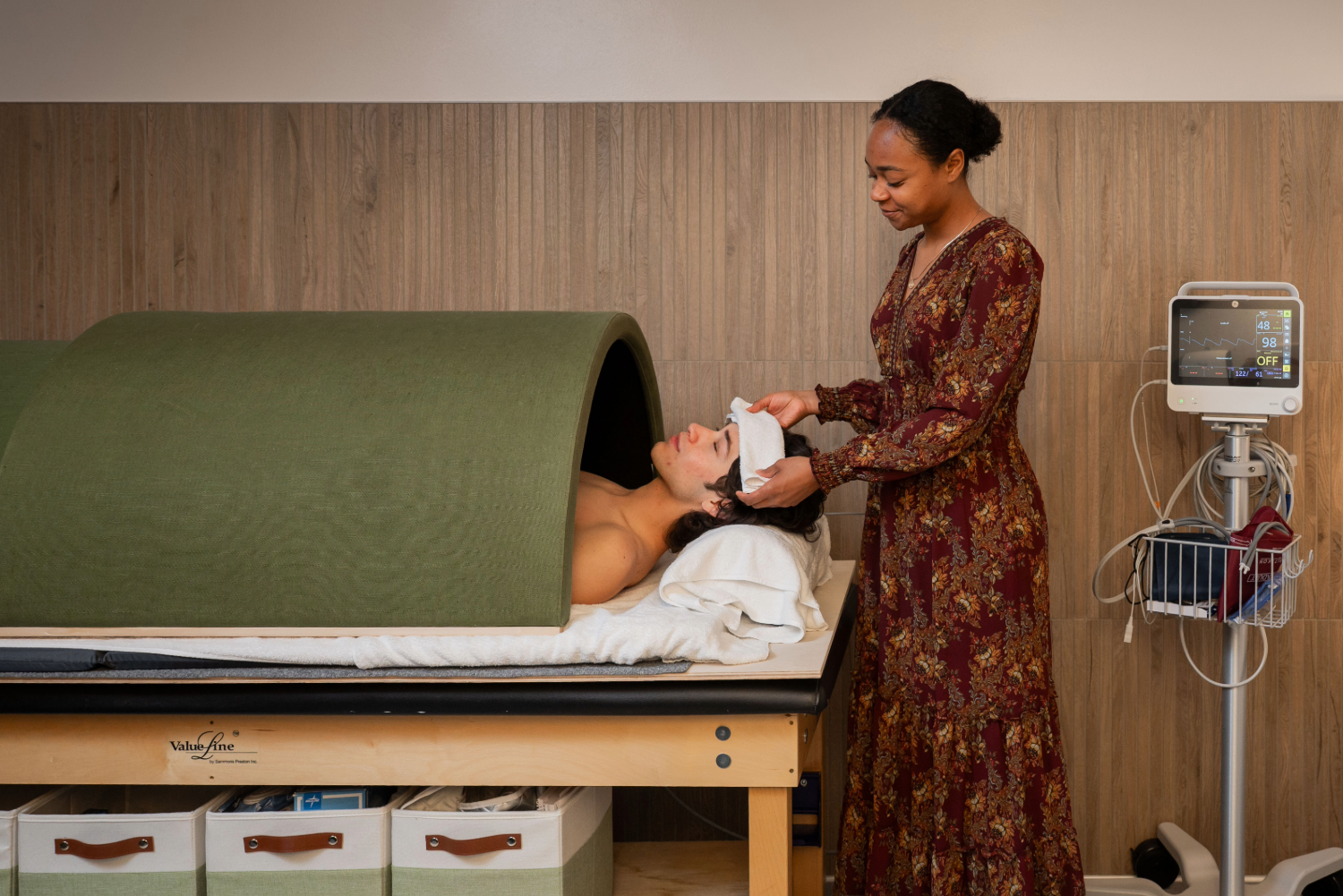
Hot, Cold and Mental Health: Inside Vail Health’s CHILL’D Research Study
Depression, a mental illness affecting more than 18% of American adults, has no blood marker or single biological cause. It looks and feels different in everyone because the brain is a complex organ, and there is no single way that depression develops. Like many mental health conditions, depression can be treated through medical, pharmaceutical and alternative approaches. One promising avenue under study at Vail Health’s Behavioral Health Innovation Center is contrast therapy — combining sauna and cold plunge treatments.
-
New!
More

What to Expect Before, During and After a Colonoscopy
If you've been putting off a colonoscopy, you're not alone. It's one of the most recommended — and most avoided — preventive screenings in medicine. But here's what most people don't realize until after their first one: the procedure itself is a non-event. You're asleep. You don't feel a thing. What people actually dread, and what they talk about afterward, is the prep. The good news is that even the prep is manageable, and the payoff is enormous. Colorectal cancer is one of the most preventable cancers when caught early. A colonoscopy doesn't just detect it; in many cases, it stops cancer before it starts.
-
New!
More

Navigating Men’s Sexual Health: Erectile Dysfunction and the Bigger Picture
For something so common — and treatable — erectile dysfunction (ED) is still surprisingly difficult to talk about. “The biggest misconception men have is that there’s a mechanical or physical problem with them, and that’s usually not the case,” explains Dr. Joseph Dall’Era, a urologist at Vail Health. In reality, ED is far more nuanced and manageable than people realize. Understanding what’s happening and knowing when to speak up can shift the experience.