


News
Back on the Slopes: How to Recover Physically and Mentally After a Ski or Snowboard Injury
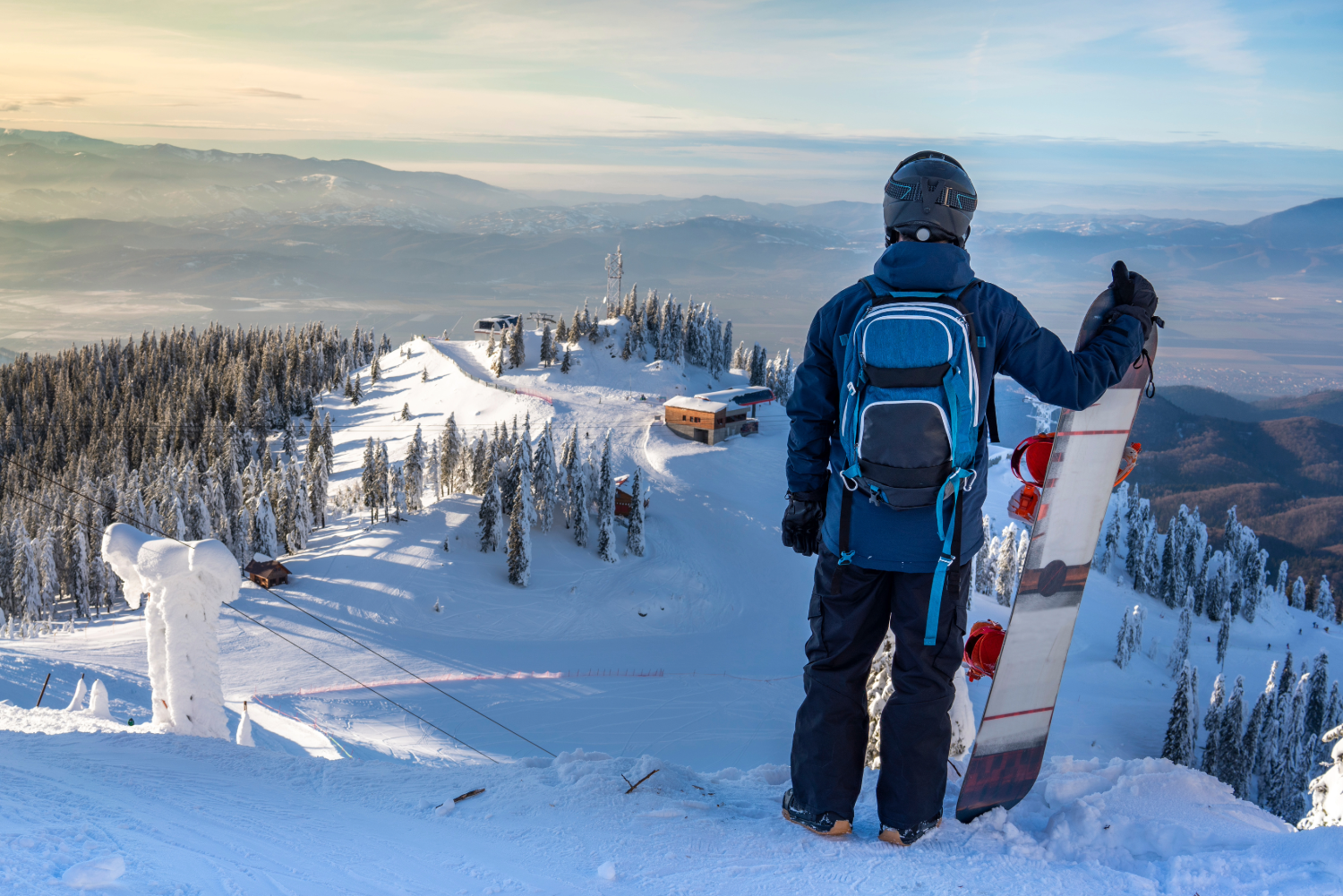
Living in a ski town, injury is inevitable. Recovery isn’t just about regaining strength, it’s about building trust in your body.
The best path back to skiing blends physical training with mental conditioning, patience with persistence. With the expert teams at Vail Health - from Howard Head Sports Medicine to Vail Health Behavioral Health - recovery is more than healing; it’s coming back stronger, smarter and more confident than before. Here’s how:
Rebuilding From the Ground Up: Physical Recovery
“When can I ski (or ride) again?” It’s one of the first questions patients ask after and even before surgery. The honest answer: it depends. “It depends on the type of surgery you had and what the injury was,” says Lindsey Duhamel, a physical therapist at Howard Head Sports Medicine.While jumping ahead in your recovery might seem tempting, going too fast could set someone’s recovery back, and the safest route to return to skiing or riding after injury is to follow the program prescribed by your physical therapist.
“First, we’ll focus on returning to the normal range of motion. Then, we’ll work on restoring symmetrical strength, from there we tailor exercises to meet your sport specific demands,” Duhamel explains. Each phase builds, gradually and safely, until your body is ready to meet the demands of skiing again.
It’s natural to feel anxious about clipping into your skis after an injury. But remember, your orthopedic physical therapist won’t clear you until your body is ready. Physical recovery is just one side of the story — the other one is what’s happening in your head.
Mind Over Mountains: The Mental Side of Recovery
“Ski injuries don’t just affect your body; they affect your mind,” says Dr. Barry Sandler, Medical Director of the Healthspan program at Vail Health. Physical symptoms are more obvious to address, but poor mental health can prolong recovery.Fear, anxiety and post-traumatic stress are common reactions. Left unchecked, they can slow the healing process. “Prolonged stress increases cortisol levels, which can slow tissue repair, lead to poor sleep and reduced motivation,” Dr. Sandler says.
That’s why ski injury recovery isn’t just about muscles and mobility — it’s about your mindset. Here are five ways Dr. Sandler suggests strengthening your mindset for skiing:
The Power of Visualization
Mental rehearsal isn’t just for professional athletes. Visualization can help your brain and body connect before you’re back on the snow. “Our brains start to believe what we’re thinking by creating new neural pathways,” says Dr. Sandler. Close your eyes and picture yourself skiing: every turn, the shift of weight and the feel of the snow under your skis. By imagining positive outcomes, you’re training your body and boosting your confidence, so you return to the slopes strong.
The Role of Positive Affirmations
Words matter — especially the ones you tell yourself. Positive affirmations can rewire your brain to shift negative thought patterns. It’s the cornerstone of Cognitive Behavioral Therapy (CBT), which focuses on replacing self-doubt with constructive beliefs. Over time, these affirmations alter your brain to think in more positive patterns and boost your confidence, Dr. Sandler explains.Try saying these before your workout or next PT session:
- “My body is healing and getting stronger.”
- “I’m rebuilding my strength one day at a time.”
- “I’ll return better than before."
Journaling Your Journey
Progress can feel slow, but journaling helps you see just how far you’ve come. Jot down your physical milestones, emotions and daily reflections. Another option is to take photos throughout your journey as a visual reminder of your progress. Over time, these notes and photos become a record of your strength and perseverance during post-surgery ski or snowboard rehab. Start this daily practice in the morning when your mind is fresh.
Adopt a Growth Mindset
Injury can feel like a setback. But what if it’s an opportunity? “It’s all about attitude,” says Dr. Sandler. “A growth mindset reframes recovery as an opportunity to emerge stronger than you were before.” During rehab, you’ll learn more about your muscles, mechanics and proper form than ever before. Recovery isn’t wasted time; it’s training time. The more you understand your body now, the stronger and more resilient you’ll be on your next run.
Seek Support
You don’t have to recover in silence. Discuss with friends, teammates or others who have experienced similar injuries. Sharing your experiences can help ease isolation and remind you that setbacks are a natural part of the journey. If recovery starts to feel overwhelming, Vail Health Behavioral Health offers professional support, including sports psychology, to help you navigate the mental side of healing.
The Best Mindset for Skiing Post-Injury
Patience is often the toughest part of ski injury recovery. You might be physically cleared in a few months, but mental recovery can take longer. “Be patient, recovery takes time,” says Dr. Sandler. “Address your emotions and listen to your body.” More News
-
New!
More
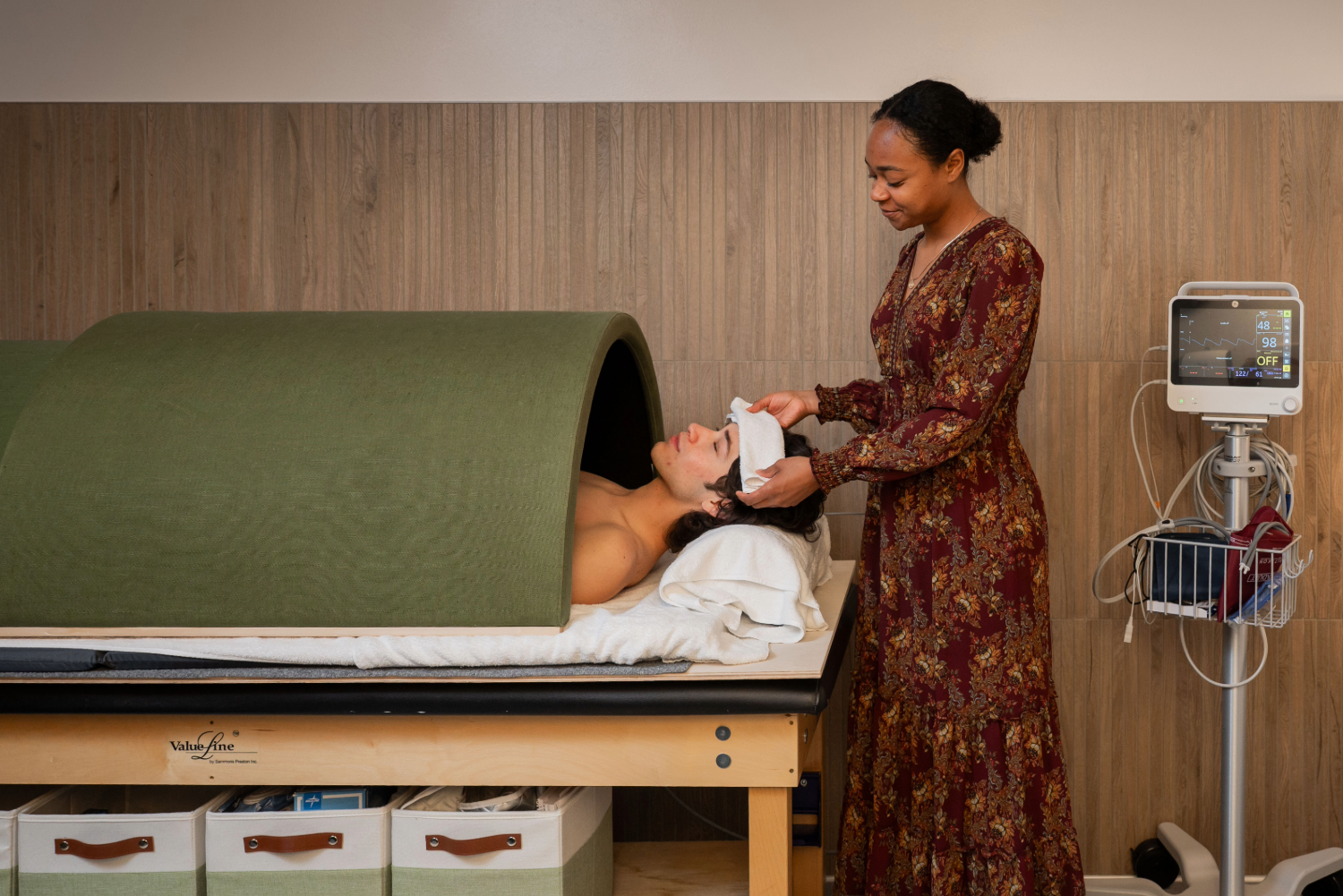
Hot, Cold and Mental Health: Inside Vail Health’s CHILL’D Research Study
Depression, a mental illness affecting more than 18% of American adults, has no blood marker or single biological cause. It looks and feels different in everyone because the brain is a complex organ, and there is no single way that depression develops. Like many mental health conditions, depression can be treated through medical, pharmaceutical and alternative approaches. One promising avenue under study at Vail Health’s Behavioral Health Innovation Center is contrast therapy — combining sauna and cold plunge treatments.
-
New!
More

What to Expect Before, During and After a Colonoscopy
If you've been putting off a colonoscopy, you're not alone. It's one of the most recommended — and most avoided — preventive screenings in medicine. But here's what most people don't realize until after their first one: the procedure itself is a non-event. You're asleep. You don't feel a thing. What people actually dread, and what they talk about afterward, is the prep. The good news is that even the prep is manageable, and the payoff is enormous. Colorectal cancer is one of the most preventable cancers when caught early. A colonoscopy doesn't just detect it; in many cases, it stops cancer before it starts.
-
New!
More

Navigating Men’s Sexual Health: Erectile Dysfunction and the Bigger Picture
For something so common — and treatable — erectile dysfunction (ED) is still surprisingly difficult to talk about. “The biggest misconception men have is that there’s a mechanical or physical problem with them, and that’s usually not the case,” explains Dr. Joseph Dall’Era, a urologist at Vail Health. In reality, ED is far more nuanced and manageable than people realize. Understanding what’s happening and knowing when to speak up can shift the experience.