



Menopause and Heart Health: What Women Need to Watch For

Declining estrogen affects more than just reproductive health. When most women think about menopause symptoms, their mind goes to hot flashes, sleepless nights and mood swings.
“With the onset of menopause, there’s a metabolic shift,” explains Dr. Jennifer Bettenhausen, family medicine physician at Colorado Mountain Medical. As estrogen levels decline during perimenopause and menopause, changes in metabolism, body composition, cholesterol and blood sugar can increase cardiovascular risk.
While menopause is a natural stage of life, it also marks an important turning point for long-term cardiovascular health. Heart disease remains the leading cause of death for women, which is why perimenopause and menopause are important windows for identifying and addressing heart disease risk factors early.
Menopause may change your risk profile, but it doesn’t mean heart disease is inevitable. Lifestyle changes, preventive care and the right medical guidance can help protect your heart for years to come.
Menopause and Heart Disease
As estrogen declines, the body begins to handle metabolic processes differently. These changes can be surprising because they may happen even when your diet and exercise habits haven’t changed. You may notice your weight shifting (especially around your abdomen), your metabolism slowing or your cholesterol creeping up out of nowhere.
The bigger concern is that several of these changes are also higher risk factors for cardiovascular disease. That makes perimenopause more than a transition to menopause. It’s a window of opportunity to be proactive about estrogen and heart health.
4 Ways to Protect Your Heart During Menopause
The goal isn’t to overhaul your life overnight. Instead, focus on the habits that have the biggest impact.
- Feed your heart well.
The food that works throughout your 20s and 30s might not work as well in your 40s and 50s.
“Eat a whole-food, plant-based diet and limit refined carbohydrates,” suggests Bettenhausen.
As metabolism changes, women’s bodies find it harder to process refined carbohydrates. Instead, prioritize protein and fiber, both of which can support healthy blood sugar and cholesterol levels while keeping you satisfied.
Think fruits, vegetables, whole grains, nuts, seeds and lean sources of protein.
- Make strength a priority.
In mountain communities, hiking, biking, skiing and running are part of everyday life. Cardio is great for cardiovascular fitness, but during menopause, strength training deserves equal attention.
Declining estrogen is associated with a loss of lean muscle mass. Resistance training at least three times per week can help maintain and build muscle, support bone health and keep your metabolism working efficiently.
- Prioritize sleep.
Sleep is one of the most overlooked tools in protecting heart health.
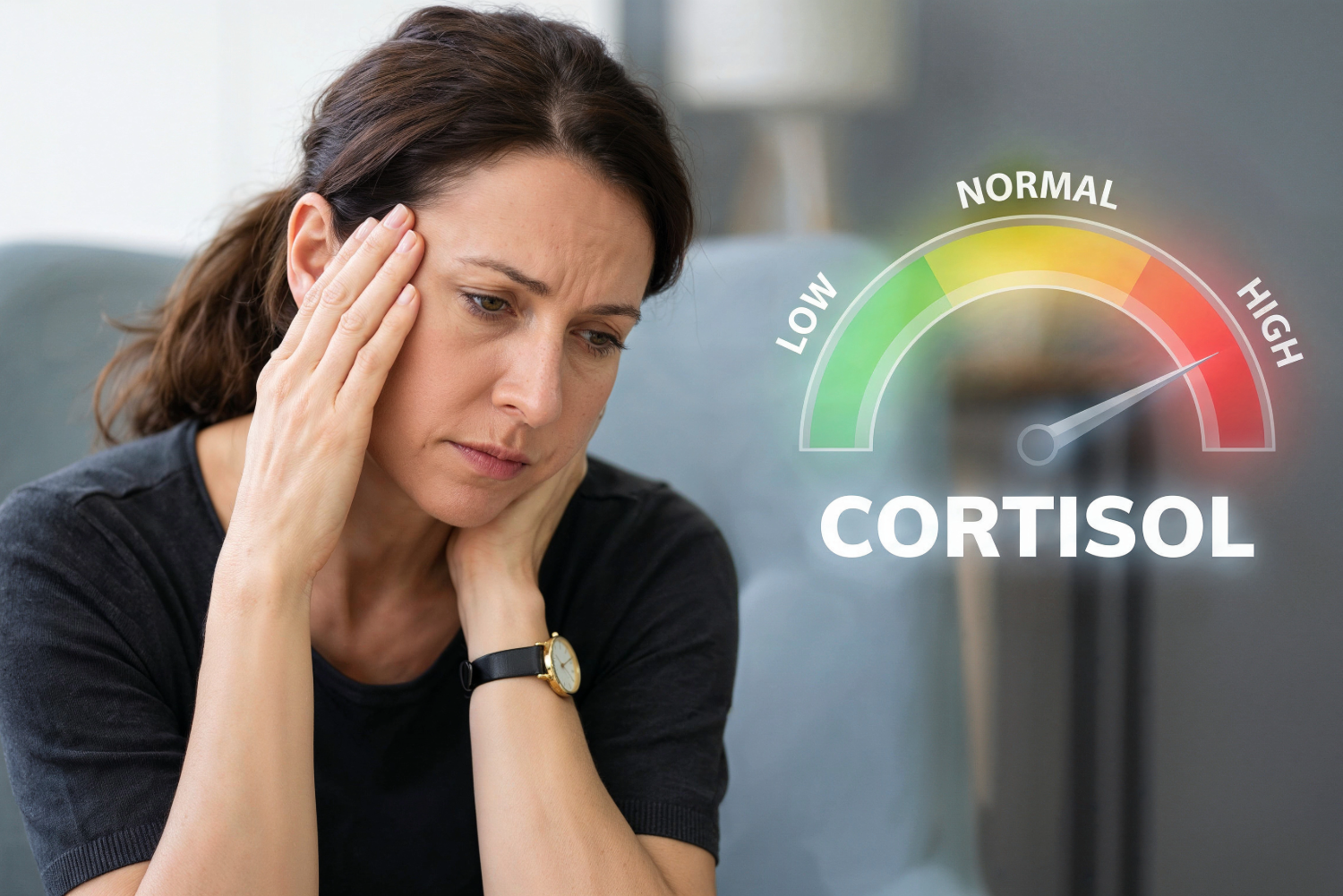
During deep sleep, blood pressure naturally decreases, giving the cardiovascular system time to recover. Consistent, quality sleep also helps regulate cortisol, the body’s primary stress hormone.
- Hormone therapy can help.
Menopausal hormone treatment (MHT), also known as hormone replacement therapy (HRT), has evolved significantly during the past two decades. Today, treatment includes estradiol, a natural form of estrogen that is chemically identical to the estrogen naturally produced in the body.
Hormone therapy can be highly effective for treating menopause symptoms and, in effect, lower risk for heart disease.
“If you start estradiol early in menopause, you can decrease your risk of cardiovascular disease up to 30-50%,” Bettenhausen explains.
Estradiol helps support cholesterol levels, metabolism and blood vessel function, making early intervention an important conversation. “Both men and women are prone to heart disease, but estradiol helps protect the heart, so women get symptoms later,” Bettenhausen says.
For some women, transdermal estradiol, delivered through a topical patch, gel or spray, may be preferred over oral estradiol, particularly when cardiovascular or blood clot risk is higher. Talk to your healthcare providers about which option makes sense for you.
Cardiovascular Disease in Women
When it comes to women’s heart attack symptoms, it’s not usually the classic depiction of grabbing your chest and collapsing. Instead, it’s often much more subdued.
While chest pain and pressure are common heart attack symptoms for both women and men, women are more likely to experience symptoms that can easily be mistaken for something else.
“Women can get more vague symptoms that can be exercise intolerance, shortness of breath, pain in their jaw or shoulder or just more vague discomfort in their chest,” Bettenhausen says.
That’s why knowing your personal risk factors is so important. If something feels unusual, don’t brush it off. Your heart might be trying to get your attention.
Heart Health After Menopause
Menopause affects more than your monthly cycle; it also changes your body composition and cardiovascular risk profile. These changes are a natural part of aging, but they don’t have to dictate your heart health after menopause.
If you’re wondering where to begin, Bettenhausen keeps it simple: “Lifestyle-wise, eating a whole-food, plant-based diet. But exercise is a pretty close second.” Then talk to your healthcare provider about additional strategies, including whether hormone replacement therapy or investing in a longer, more intensive program, like Vail Health’s Healthspan, makes sense for you.
Menopause may be a new chapter, but it’s also an opportunity to take a closer look at your health and give your heart a little more attention for all the years ahead.