



Men’s Wellness: What’s Your Game Plan for Strength, Hormones and Healthy Aging?
Staying strong, active and healthy as you age takes more than exercise alone. From hormone health and muscle strength to cardiovascular fitness, nutrition and recovery, taking a comprehensive approach can help support performance, independence and quality of life.
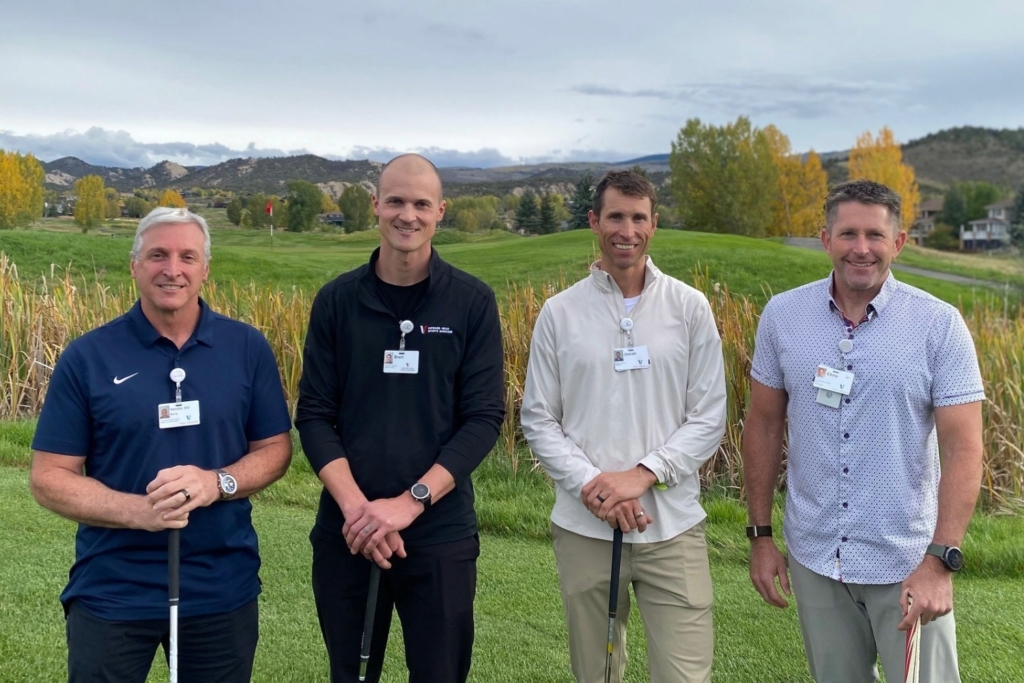
At Vail Health’s Men’s Wellness Event: What’s Your Game Plan on September 29, Chris Lindley, Josiah Middaugh, MS, NSCA-CSCS, Dr. Barry Sandler, and Brett Mueller, PT, DPT, SCS, explored practical strategies men can use to support strength, performance and healthy aging. The conversation covered testosterone and hormone health, preserving muscle, progressive strength training, aerobic fitness and VO₂ max.
Here are some of the key takeaways.
Testosterone and men’s health: What you should know
Testosterone is an important part of men’s health, but it is only one piece of the longevity puzzle. Testosterone levels generally decline gradually with age rather than suddenly dropping at a specific age. Levels can begin to decline during adulthood, often starting in the 30s, but the rate of change varies considerably from person to person. A lower testosterone level does not automatically mean a man has testosterone deficiency or needs testosterone replacement therapy (TRT). A diagnosis of testosterone deficiency considers both symptoms consistent with low testosterone and repeatedly low testosterone levels measured appropriately.
What are the symptoms of low testosterone?
Possible symptoms can include:
- Reduced muscle mass or strength
- Increased abdominal or visceral fat
- Lower energy or poorer exercise recovery
- Reduced sex drive
- Fewer spontaneous or morning erections
- Changes in mood or motivation
- Reduced bone density over time
However, symptoms such as fatigue, poor sleep and low mood can have many possible causes, so symptoms alone cannot diagnose testosterone deficiency.
How is low testosterone diagnosed?
When symptoms suggest testosterone deficiency, testing generally begins with an early-morning total testosterone measurement. Because testosterone levels naturally fluctuate, a low result should generally be confirmed with a second early-morning measurement on a different day. Additional testing may include free testosterone and SHBG, particularly when total testosterone is borderline, as well as LH, prolactin or other testing based on a man’s medical history and examination.
The event also emphasized looking for potentially reversible factors before starting testosterone replacement therapy. Poor sleep or sleep apnea, excess body weight or visceral fat, insufficient resistance exercise, poor nutrition, heavy alcohol use, certain medications, chronic medical conditions and metabolic disease can all contribute to lower testosterone levels or symptoms that can look similar to low testosterone.
Is testosterone replacement therapy right for everyone?
TRT may be appropriate for men who have symptoms of testosterone deficiency and consistently documented low testosterone levels after appropriate evaluation. The goal of treatment is to restore testosterone to a healthy physiologic range and improve symptoms, rather than achieving the highest possible testosterone level. TRT should generally not be used simply as an anti-aging treatment, bodybuilding aid or performance enhancer in men with normal testosterone levels.
Men considering TRT should also discuss fertility goals with their physician. Testosterone therapy can significantly reduce sperm production and may cause infertility, so men who are currently trying to conceive generally should not receive standard testosterone replacement therapy. For appropriately selected and monitored patients, TRT can be used safely, but treatment requires ongoing medical supervision. Monitoring may include testosterone levels, blood counts, symptoms and other testing based on individual risks.
For men living at higher elevations, the event materials also highlighted the importance of careful blood-count monitoring because altitude can naturally increase hematocrit, while TRT can increase it as well.
Muscle is an important part of healthy aging
The event’s message about muscle was straightforward: preserving muscle helps preserve independence. Muscle supports much more than appearance. Strength, power, balance and recovery all contribute to the ability to hike, ski, carry groceries, navigate uneven ground and get up from the floor. Building a reserve of strength earlier in life can help support independence later.
The presentation outlined several important functions of healthy muscle, including supporting metabolism, recovery, force production, movement, regeneration and communication with other systems throughout the body.
Start with strength, power, balance and conditioning
A well-rounded approach to fitness doesn’t have to mean spending hours in the gym.
The event’s “enough” approach included:
- Strength: Aim for two or more full-body sessions most weeks and gradually increase the challenge.
- Power: Incorporate safe, controlled movements performed with speed or intent.
- Balance: Practice single-leg or tandem stands and movements such as farmer carries.
- Conditioning: Walks and hikes that raise your breathing count as aerobic work.
- Recovery: Support training with adequate protein and sleep.
Consistency matters more than occasional “hero weeks.”
What is progressive overload?
Progressive overload is a simple concept: gradually ask a little more of your muscles over time, then allow your body to recover. That might mean adding a repetition, adding a set, increasing the weight slightly, improving range of motion or performing the same movement with better control. The goal isn’t to exhaust yourself every workout. It’s to create a training routine you can consistently repeat and build on over time. A simple strength session might include a warm-up, several foundational movements such as a squat, push, pull and hinge, a power or intent movement, and a carry or balance exercise.
Why muscle strength and balance matter as you age
Sarcopenia refers to age-related loss of muscle mass, strength and function. It can show up as weaker force, slower recovery and more difficulty with balance, sometimes before noticeable changes in appearance. Frailty is a broader state of vulnerability that can include weakness, slower walking, low activity and exhaustion. Muscle loss is an important part of that picture, but not the only factor.
Some early signs that strength and function may be declining include:
- Harder first-chair days on the mountain
- Longer recovery after physically demanding activities
- Hesitation on ice, roots or uneven ground
- Difficulty getting up from the floor
- Carrying groceries, packs or grandchildren becoming more challenging
The goal isn’t simply to build bigger muscles. Training for strength, power and balance can help support the physical capacity needed for everyday life and outdoor activities.
Build your aerobic engine
Strength is only part of the equation. Cardiovascular fitness is another important component of healthy aging. VO₂ max is the maximum amount of oxygen your body can use during hard exercise. It reflects the integrated performance of the heart, lungs, blood vessels and working muscles and is a useful measure of cardiorespiratory fitness.
The event emphasized that VO₂ max is trainable at any age. Consistent aerobic activity builds a foundation, while appropriately structured higher-intensity exercise can help raise aerobic capacity. Walking, hiking, biking, snowshoeing, skinning, swimming, rowing and cardio classes can all contribute to aerobic fitness. The presentation recommended building a base of moderate aerobic activity and gradually adding intensity as appropriate.
What is Zone 2 training?
Zone 2 generally refers to an intensity that is comfortably sustainable and below your first ventilatory threshold. A practical way to gauge it is that you can still speak in full sentences while exercising. Once you’ve established an aerobic base, higher-intensity intervals can be incorporated to challenge your cardiovascular system. One example discussed at the event was the Norwegian 4 × 4 workout: four minutes of hard but controlled effort followed by three minutes of active recovery, repeated four times. People who are new to interval training can begin with fewer repetitions or shorter work intervals and progress gradually.
Individual fitness needs vary, and anyone with significant medical conditions or symptoms should discuss exercise progression with a healthcare professional.
Your men’s health game plan
There isn’t one workout, supplement or hormone treatment that defines healthy aging. The bigger picture is about building a sustainable foundation.
A practical game plan might include:
Know your health numbers.
Work with your healthcare provider to understand the health markers that matter for you.
Build and preserve muscle.
Prioritize regular resistance training and gradually challenge your muscles.
Train your aerobic system.
Build a consistent base of walking, hiking, biking or other aerobic activity, then add intensity as appropriate.
Prioritize recovery.
Sleep, nutrition and recovery are part of training, not an afterthought.
Pay attention to symptoms.
Changes in energy, strength, sexual health, sleep or recovery deserve attention rather than being automatically attributed to aging.
Work with your healthcare team.
If you’re concerned about testosterone or other aspects of men’s health, start with an individualized evaluation rather than assuming a particular treatment is right for you.
The goal isn’t simply a higher testosterone number, a bigger muscle or a faster workout. It’s better health, function and quality of life.
Build your game plan with Vail Health
Men’s health is multifaceted, and creating a sustainable approach to healthy aging can take more than one type of expertise. Vail Health’s network of care brings together medical, fitness and health coaching perspectives to help you focus on the areas that matter most to your long-term health.