



The Secret to Better Ski Conditioning: How Strong Hips & Glutes Improve Performance
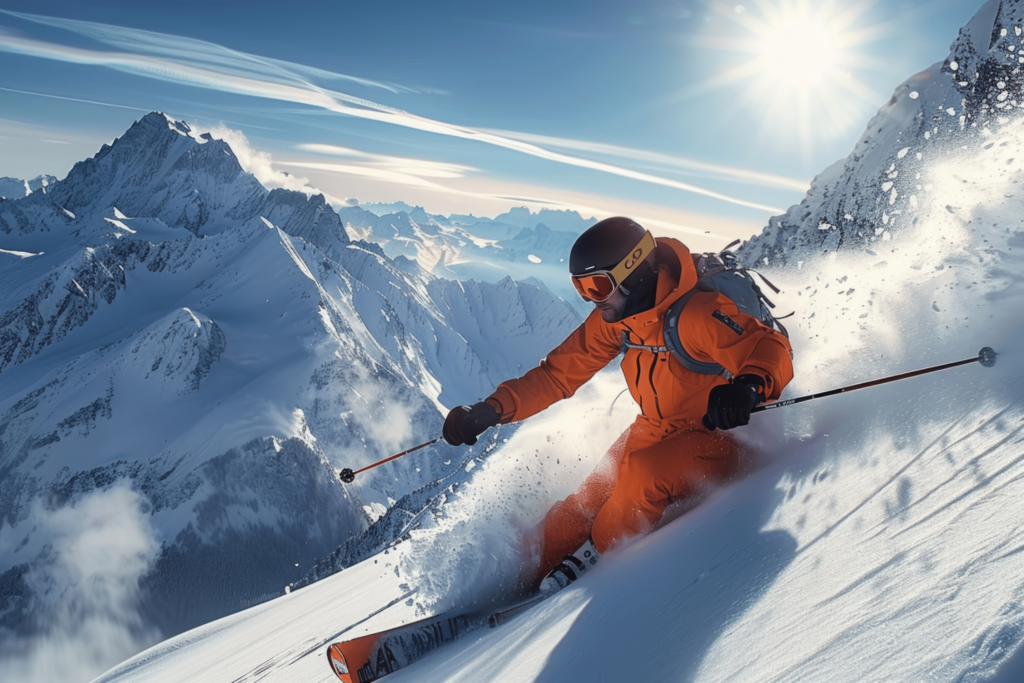
Nothing says “welcome back” like the first run of the season reminding you what your legs forgot during the offseason.
Most skiers and snowboarders assume the familiar burn comes from quad strength alone. Yes, those front-of-thigh powerhouses matter, but they’re only part of the story. Your hips and glutes also play a vital supporting role in snow sports conditioning and performance. When these behind-the-scenes stabilizers are strong, overall performance improves.
Your hips and glutes deserve the spotlight in your mountain-sport conditioning routine. Here’s why, and the best exercises to get you ready for the slopes.
Why Are Hips and Glutes So Important?
Your quads may be the foundation of your ski and snowboard strength, and a significant indicator of performance and knee joint resilience, but they’re not meant to do the whole job themselves. Your hips and glutes are essential co-stars that add power, support and stability to every turn, helping distribute the load while on the mountain.
“Your hips and glutes provide the stability and control needed to move efficiently from turn to turn. They help control side-to-side movement and transfer force through the lower extremity, allowing the quads to better handle the demands of absorbing and controlling your body as you move down the mountain,” explains Lindsey Duhamel, a physical therapist at Vail Health Howard Head Sports Medicine.
When these key muscles are underdeveloped, the quads are forced to manage more than they can handle. This can lead to faster fatigue, sloppy form and a greater risk of injury.
Strong hips and glutes aren’t optional; they’re fundamental.
How Hips and Glutes Improve Your On-Snow Fitness:
Strong hips and glutes add to your physical foundation.
“Our glute medius is our main pelvic stabilizer,” says Duhamel. Picture your pelvis as the transition point between your upper and lower body. When you link turns, your torso stays relatively quiet while your legs shift side to side. “Strengthening our glutes and hips allows for better control and single-leg stability through your turns and movement of your body as you go down the mountain.”
Good balance isn’t just about standing upright; it’s about staying aligned and in control while shifting your weight through turns and quickly reacting to variable conditions.
“Your hips and glutes help generate and transfer power through each turn, while also providing the stability needed to control your edges and maintain alignment,” she explains. “By sharing the workload with the quads, they allow you to produce force more efficiently and stay strong and controlled as the demands of skiing increase.”
When your hips and glutes are strong, your body is driving the skis or board, not the other way around.
Your hips are your built-in suspension system. If you’ve ever pedaled a bike with no suspension down a rocky trail, you’ve experienced the jolting feeling every time you hit a rock or rut in the trail. Every bump becomes a battle. “Hips and glutes act as shock absorbers,” Duhamel explains. “The hips help with shock absorption and impact from skiing.”
Strong hips flex, extend and rotate to manage unpredictable terrain. They soften the ride, absorb shock and allow you to rebound gracefully.
Balanced strength is your best insurance policy on the snow. Knee injuries may seem common among skiers, but a strong foundation can reduce the likelihood of injury. When the hips and glutes share the workload instead of the quads overcompensating, you move more efficiently, protect your joints and reduce your risk of strains and tweaks.
After summer or any extended period away from skiing or snowboarding, your body can become deconditioned to the sport, potentially increasing your risk of injury. That’s why Duhamel stresses focused strength training well before and throughout the season.
How to Build the Strength That Matters
Strength training helps athletes adapt faster, reduce fatigue and stay more resilient throughout the season. Want to get stronger this year? Here are the exercises an orthopaedic physical therapist recommends:
Compound lower-extremity movements work multiple muscle groups simultaneously. The best sports medicine for skiers and riders includes these exercises as an efficient way to build strength. Some key movements include:
- Squats
- Leg press
- Lunges
Strength-focused exercises can be performed with bodyweight or with a dumbbell or resistance bands:
- Glute extension machine
- Reverse lunges
- Clam shells
- Bulgarian split squats
- Lateral band walks
Strong Hips, Stronger Athlete
Ski towns may transition into winter overnight, but bodies don’t. Your legs need time, attention and thoughtful training. When you prioritize hip and glute strength, everything improves: balance, power, control and endurance.
So, this season, give your hips and glutes the spotlight. With a strong pelvis, you won’t just ski and ride better, you’ll shred longer and feel stronger.