




Electrolyte Overload? The Science Behind Salt, Hydration and the Wellness Hype
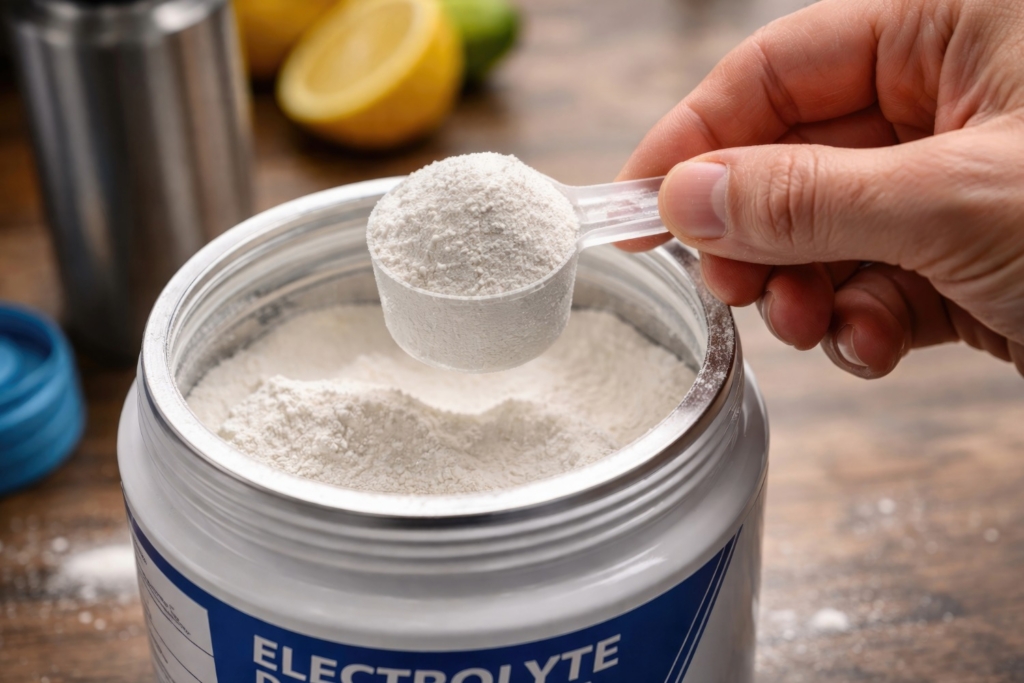
Electrolytes have become a popular topic in the wellness industry, with athletes and social media influencers alike pushing powders, tablets, sports drinks, IV fluids, mineral-rich beverages and oral rehydration solutions. But what are these “everyday essentials?” Do you need electrolyte supplements? Who are the candidates that could benefit, and when is it appropriate without overconsuming?
Breaking Down the Buzzword
Electrolytes are minerals that carry an electrical charge when dissolved in fluid. The major minerals include sodium, potassium, calcium, chloride and phosphate, playing a critical role in maintaining fluid balance, nerve signals, muscle contractions, heart rhythms and cellular function. Every sip of an electrolyte drink is a highly concentrated amount of these charged minerals.
Contrary to what the media landscape is promoting, your electrolyte intake does not solely depend on purchasing processed products branded with electrolytes and hydration. Electrolytes are naturally found in whole foods such as fruits, vegetables and dairy products. Many Americans are already overconsuming sodium because processed and prepared foods are already overconsumed in this country.
The health industry prioritizes performance and longevity.
“There is a big market to sell you something to put in your water bottle,” Josiah Middaugh, Vail Healthspan program director and lead exercise physiologist, says.
People are taking their health and vitality into their own hands, exercising more, tracking performance and applying simple ways to improve exercise recovery and hydration.
“The marketing landscape has taken a real physiologic concern and turned it into a wellness category,” Dr. Barry Sandler, Vail Healthspan medical director, says. “That does not mean electrolytes are bad. It means consumers need to understand when they are useful and when they are unnecessary.”
Help vs. Hinder
Sweating is the body’s cooling mechanism, and electrolytes can be a useful tool to replenish lost fluid. Water is usually enough for everyday hydration. But during prolonged exercise, heavy sweating, heat exposure, altitude activity, illness, sauna use and outdoor careers, the body may need both water and electrolyte replacement. Replacing water alone in these scenarios may dilute sodium levels further, while adding electrolytes helps maintain plasma volume, proper cellular function and in some cases, relieve muscle contraction or cramping. However, overdoing electrolyte products can also add unnecessary sugar and calories.
Sandler says “electrolytes can support wellness when used appropriately.” At altitude, people often breathe more rapidly, lose more fluid through respiration and may become dehydrated more easily. Electrolytes can be a useful tool for people who are not used to mountain climate.
“For healthy athletes losing large amounts of sodium through sweat, high sodium intake may be appropriate temporarily around training,” Middaugh advises. “But indiscriminately consuming large amounts of sodium daily ‘for wellness’ is not necessarily beneficial.”
Hydration for endurance athletes is critical. Sodium loss can vary from 500-2,000 mg of sodium per liter of sweat. When these losses are not adequately replaced, athletes may experience fatigue, muscle cramps, decreased performance and delayed recovery. Incorporating electrolytes during and after exercise can help replenish what was lost. Electrolyte drink benefits include:
- Maintain blood volume
- Reduce dizziness
- Support temperature regulation
- Sustain performance
- Rehydration
On the other side of the coin, it can be easy to overload electrolytes and hinder your health. The kidneys regulate sodium balance, and chronic high sodium intake can contribute to the following:
- Elevated blood pressure
- Uncontrolled hypertension
- Strain on the cardiovascular system
- Kidney strain
- Fluid retention
It is important to listen to your body. These are electrolyte imbalance symptoms:
- Bloating
- Puffiness
- Increased thirst
- Diarrhea
- Nausea
- Gastrointestinal (GI) distress
“I would be more concerned about excessive use of electrolytes outside of exercise,” Middaugh says. “During exercise, excessive electrolytes are typically tolerated.”
Equally concerning during prolonged endurance events is exercise-associated hyponatremia, a potentially life-threatening dilution of blood sodium. The primary driver is usually drinking more fluid than the body can excrete, not simply failing to take enough salt, and the risk is higher among slower marathoners who spend four or more hours on course and drink at nearly every aid station.
Because sodium is the principal electrolyte lost in sweat, low-sodium, high-potassium beverages such as coconut water and many coconut-water-based sports drinks are poor choices as the sole hydration source during long, high-sweat events.
“Excessively low sodium levels can cause confusion, profound weakness, seizures or even death from brain swelling,” says Sandler.
Athletes should avoid overdrinking, drink according to thirst and choose sodium-containing fluids or foods appropriate to the duration, heat and individual sweat losses.
Interpreting Labels and Brands
Serving sizes are not one size fits all. Every body is different, and so are individual’s environment, exercise intensity, sweat duration, body composition, medication use, diet, baseline blood pressure, kidney function and water retention. The portion a nutrition label or prepackaged serving recommends does not apply to all consumers.
The amount of electrolytes you should consume corresponds to your activity level and sweat rate. Sandler recommends to look at the sodium content first when reading a nutrition label.
“Many electrolyte products range from low sodium to very high sodium,” Sandler says. “Match the product to the situation. A casual walk does not require the same electrolyte replacement as a long bike ride, mountain hike or high-sweat workout.”
He also advises checking sugar content, serving size and whether the label lists one scoop, packet or multiple servings. Be cautious with products that encourage daily use without a clear reason.
There are so many brands at the palm of your hand, both at the grocery store and online. So, it is important to pay attention to the sodium and electrolyte dosage. For example, LMNT has a high sodium content of 1000 mg and Liquid IV contains 500-584 mg. Middaugh says these are high doses and the serving sizes can be cut in half and/or only used around exercise.
Electrolytes can be used as a tool, but they are not magic.
“In Healthspan medicine, the goal is not to chase wellness trends, but to personalize the basics: hydration, nutrition, exercise, sleep, recovery and metabolic health,” Sandler says. “For some people, electrolytes are an important part of that plan. For others, they are unnecessary or even counterproductive if overused.”
Learn more about exercise hydration and recovery with Vail Health and Vail Healthspan providers.
Want to optimize your hydration and overall health?
Electrolytes are just one piece of the puzzle. Whether you’re looking to improve your daily wellness or take a more comprehensive approach to longevity and performance, our experts can help you create a personalized plan.