




Beyond the Scale: Protecting Muscle Mass and Bone Health While Taking GLP-1s
You step on the scale and pause: the number is lower than it’s been in years; for many people taking GLP-1s, that alone can feel like a major win. But weight loss tells only part of the story.
As the number on the scale drops, the body can lose more than fat. It may also lose muscle, and with significant or rapid weight loss, bone mass. That’s why it’s important to look beyond the pounds lost and focus on protecting your long-term health.
“Weight loss doesn’t come exclusively from fat,” explains Dr. Barry Sandler, medical director at Vail Healthspan. “The body can also lose muscle, water, glycogen stores and even bone density if the process isn’t managed properly. The goal is to lose excess fat while preserving muscle and bone health that support aging.”
GLP-1 medications can be an effective tool for weight management, but medication is only one piece of a healthy weight-loss strategy. Maintaining muscle mass and bone health are essential to an active, healthy lifestyle.
Do GLP-1 Medications Cause Muscle Loss?
GLP-1s don’t inherently cause muscle loss, but their appetite-suppressing effects can make it easier to eat too little. When overall calorie and protein intake drops significantly, the body may turn to lean tissue for energy.
Muscle is important for more than metabolism or appearance. It supports strength and mobility, balance and stability, glucose regulation, recovery and resilience, all things that become increasingly important as we age.
The scale alone can’t tell if you’re losing muscle or fat. Tracking body composition can give a clearer picture of where your weight loss is coming from, ensuring you’re losing fat and not muscle.
If you feel like you’re becoming weaker, struggling with daily activities or noticing reduced muscle definition, those can be signs that you’re losing too much lean tissue. Other warning signs that you may be losing too much muscle or not be getting enough nutrition include:
- Persistent fatigue
- Difficulty recovering after exercise
- Declining strength
- Hair thinning or brittle nails
- Frequent dizziness
The takeaway? If the scale is moving down, but your strength and energy are moving in the wrong direction, it’s worth talking to your healthcare provider at Vail Health. Weight loss should improve your health and function, not diminish them.
How Can I Preserve Muscle While Taking GLP-1?
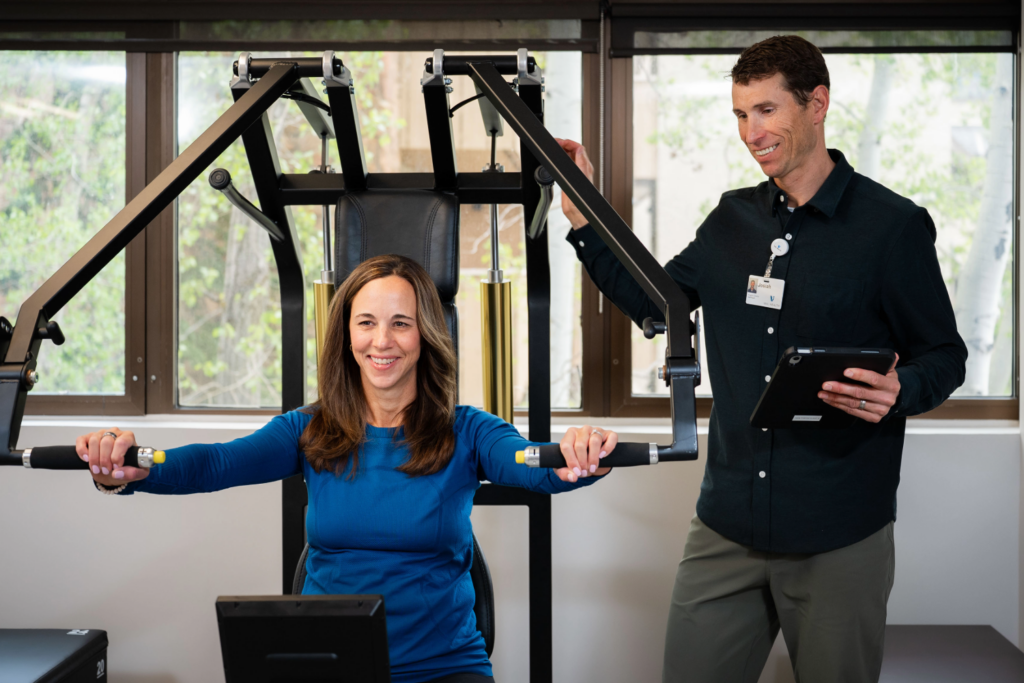
Strength training helps preserve muscle while taking GLP-1s and supports healthy bones. Weight-bearing exercise stresses bones, giving them a reason to stay strong.
Incorporate strength training two to four days a week to combat GLP-1 muscle loss and protect bone health. That might include lifting weights, using resistance bands or doing bodyweight exercises.
After a workout, prioritize sleep and recovery. Sleep is the critical time your body repairs and builds muscles, regulates hormones and replenishes energy stores.
Protein Intake While Taking GLP-1s
Eating less doesn’t mean your body needs less nutrition. Rather than trying to eat as little as possible, focus on making the food you do eat count.
One challenge is meeting your protein intake while taking GLP-1s. Protein is the building block of muscle and eating enough helps you maintain lean muscle mass. Focus on filling your diet with protein-rich, nutrient-dense foods such as:
- Lean meats
- Fish
- Eggs
- Greek yogurt
- Beans
- Tofu and tempeh
- Chia and hemp seeds
The Key to Healthy Weight Loss With GLP-1s
When it comes to weight loss, faster isn’t necessarily better.
“Patients should experience gradual, sustainable fat loss while preserving muscle mass, strength, energy and quality of life,” explains Sandler. Achieving that requires more than medication. “They should be eating enough protein, following an anti-inflammatory diet, engaging in regular resistance training, staying physically active and receiving appropriate medical monitoring.” Body composition scales are a great way to track your changes in muscle, subcutaneous fat, visceral fat, and water content. We use the InBody brand in Healthspan, but there are many good ones on the market for professional and home use.
A reasonable goal for many people is one to two pounds of weight loss per week, although the appropriate pace varies by individual.
Progress isn’t measured solely by the scale. Providers also look for improvements in metabolic health markers such as blood sugar, triglycerides, blood pressure, waist circumference, and overall improved physical function.
Your weight-loss goal should be better health, not just a smaller pant size.
The Real Goal: Becoming Healthier
Health isn’t a destination you arrive at when the scale reaches a certain number. Instead, it’s a lifestyle you build, one that helps you stay strong, active and independent for years to come.
“A healthy GLP-1 journey is not simply about becoming lighter,” says Sandler. “It’s about becoming healthier.”
For more information about healthy weight loss with GLP-1s, talk to your Vail Health or Vail Healthspan provider.