



How to Navigate High-Performance Culture in Mountain Communities
In the Vail Valley and surrounding mountain towns, it is common to find yourself in a room where the majority of people have run 100-mile races, spend their vacations mountain biking, go to the gym nearly seven days a week, ski over 100 days a year, get less than five hours of sleep and are always on a training plan for their chosen sport. We live in a community where this is normalized, distorting our perception of what “healthy” really means. It becomes easy to forget and neglect a balanced lifestyle. Why is this?
Where Does High-Performance Culture in Sports Come From?
“The mountains attract people as they are our playground,” says Kelly Daly, physical therapist at Howard Head Sports Medicine. “I think it is such an important part of everyday life. Rather than living in a big city that focuses on different aspects of life, here, when you meet someone, the first question isn’t ‘what do you do for work?’ it’s ‘what do you do for fun?’”
Living in remote ski towns is not always easy. We are often a decent drive away from convenience stores, groceries and gas stations, and the cost of living is above average. But more than likely, someone chooses this way of life in spite of all of this because access to the mountains is the priority.
There are numerous ways to be active in the mountains: hiking, mountain biking, trail running, rock climbing, skiing, snowboarding, skinning, etc. With easy access to trails and slopes, community members find their niche, and, often, there becomes a heavy sense of identity and goal orientation.
Matt Lawson is a personal trainer and licensed professional counselor at Vail Health Behavioral Health. He has a background in sports psychology and continues to help individuals align with a healthy lifestyle. He says that Vail, and similar mountains towns, have standardized high performance levels.
“On the surface, that looks healthy – people are active, outdoors, pushing themselves – but underneath that, there’s a quiet pressure that builds,” Lawson explains. “When the baseline is already so high, it’s easy for people to feel like they’re falling short, even when they’re doing really well. I see this in both high-performing athletes and everyday individuals who are already living healthy lifestyles but still feel like it’s not enough.”
Balancing Fitness and Mental Health
Mountain athletes are not training for a singular event; they are training to participate in their sport for life.
Along with being a physical therapist, Daly is a wife, mother of two, passionate runner, leader of the Edwards Run Club and member of the Adopt-A-Trail program with Vail Valley Mountain Trails Alliance. She says there is a real, delicate balance at play, not only for herself but all mountain athletes who feel pulled to be highly performing in their sport.
“Too much of anything, whether it be eating, drinking, exercise, leads to the breakdowns of our bodies,” Daly says. “This leads to overuse injuries, sickness if you are training too much and not sleeping enough. Like any addiction, too much of anything is not good.”
Lawson says athletics here is not about doing more, it’s about changing the relationship with movement, so it supports both physical and emotional health. In mountain town fitness culture, the risk is not being inactive. It is being imbalanced.
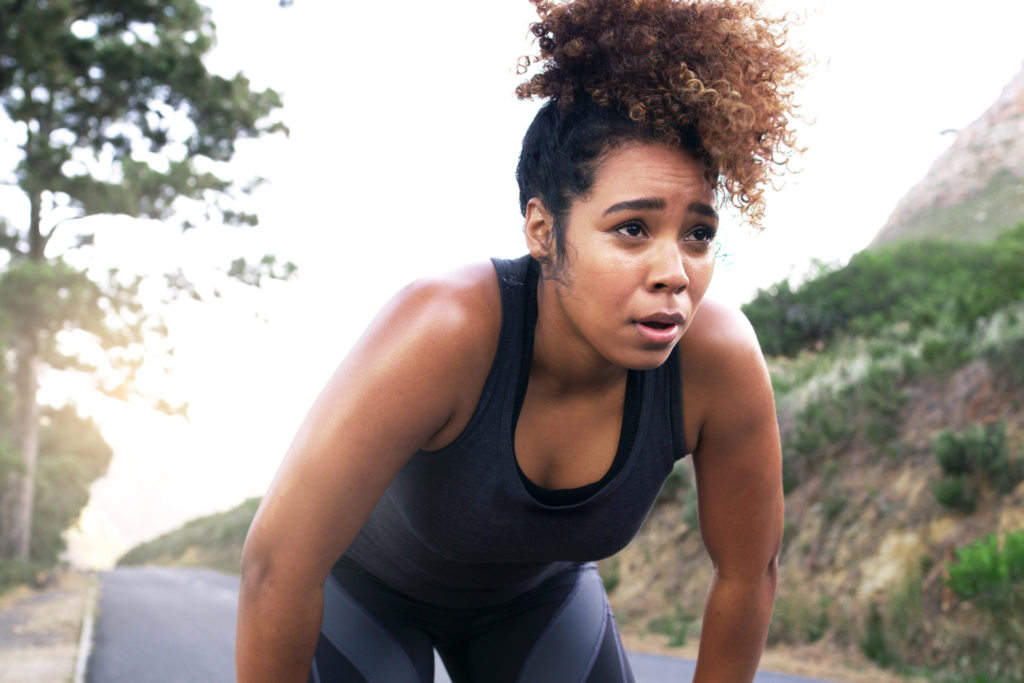
High-performing individuals struggle with overtraining and under-recovering. These people are getting caught in injury cycles because their identity is tied to “pushing through,” where they mask mood disturbances as discipline.
“Over time, it becomes harder for them to adapt to aging or life transitions, and psychologically, it often shows up as perfectionism, rigidity and a loss of internal motivation where movement stops being something they enjoy and starts to feel like a chore,” Lawson says.
He emphasizes that if someone lives life solely performance-driven, the body and nervous system never get the chance to recover, leaving insufficient energy to be more than just your sport – to elevate your career, be a present parent and spouse and to enjoy life beyond athletics.
Here are ways to reframe your mindset:
- Your physiology is unique. Honor what your body needs.
- Success is personal. Define it on your own terms, not by comparison.
- Embrace being multifaceted. You are more than your performance.
- Stay curious about what’s possible when life is in balance.
Preventing Outdoor Sports Injuries
Exercise places stress on the body, breaking down muscle tissue that must be repaired through rest, sleep and proper recovery. Without it, the risk of injury increases. Daly says that no matter your activity level, rest must be built in. There is no universal formula. Instead, integrate it into your weekly routine, and consult a professional at Vail Health Behavioral Health and/or Howard Head Sports Medicine for an individualized plan:
- Aim for seven to nine hours of sleep each night.
- Strength train regularly. Lift heavy and lift often.
- Take at least one rest day a week to let your muscles rebuild. This could look like taking the dog for a walk or going to a restorative yoga class.
- Stretch consistently.
- Eat a balanced, protein-rich diet.
- Recognize early warning signs of burnout before your body forces you to stop.
The Howard Head Sports Medicine team offers preventive care, post-injury and post-procedure support. Daly says physical therapists’ role is to improve your everyday life “through movement, reducing pain, restoring function and maintaining independent living.”
Here’s how the team supports athletes at altitude:
- Gait analysis to assess movement patterns, improve efficiency and prevent injury.
- Bike Fits to adjust the biker’s equipment based on individual biomechanics and injury history.
- TPI Golf screenings to identify physical limitations affecting the golf swing with interventions, orthopedic care and vestibular rehabilitation.
- Return to Ski & Snowboard conditioning focused on movement and biomechanical analysis to prepare for the season.
Performance Meets Perspective
True wellness isn’t defined by miles logged or vert gained. It’s built on balance, perspective and the ability to step back as intentionally as you push yourself forward. When movement supports both physical and emotional health, rather than depleting it, it becomes something sustainable. In a culture that celebrates doing more, the real challenge is knowing when and how to do less, so you can keep showing up for your sport, your community, your family and yourself for years to come.
Thrive in the Mountains Without Burning Out
The key to long-term performance isn’t pushing harder, it’s building resilience through intentional recovery, movement, mindset, and proactive health strategies. Explore Vail Health services and programs designed to help you perform and thrive.