



Protecting Our Vail Valley Community from Wildfire Smoke
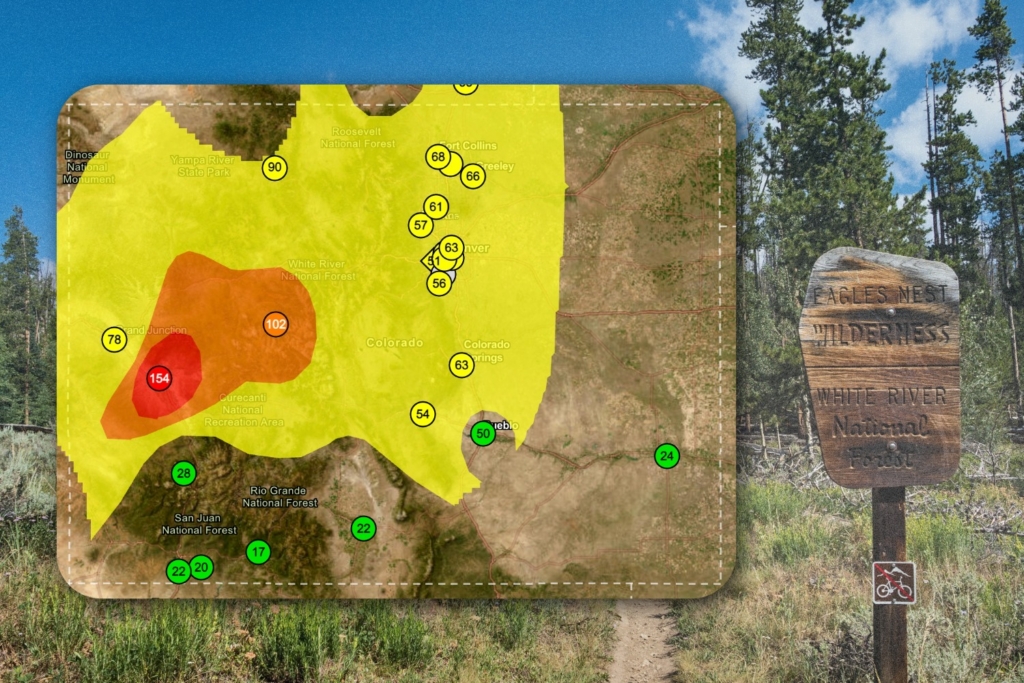
Living in the Vail Valley’s high-mountain community means we get to enjoy some of the most beautiful views in Colorado. However, as our climate gets hotter and drier, wildfire smoke is becoming a regular part of our summers.
Even if a fire is burning miles away from Eagle County, the wind can carry dangerous smoke right into our valleys.
Why Wildfire Smoke Hurts
Wildfire smoke is not just wood ash. It is a mix of gases and tiny, invisible particles called PM2.5.
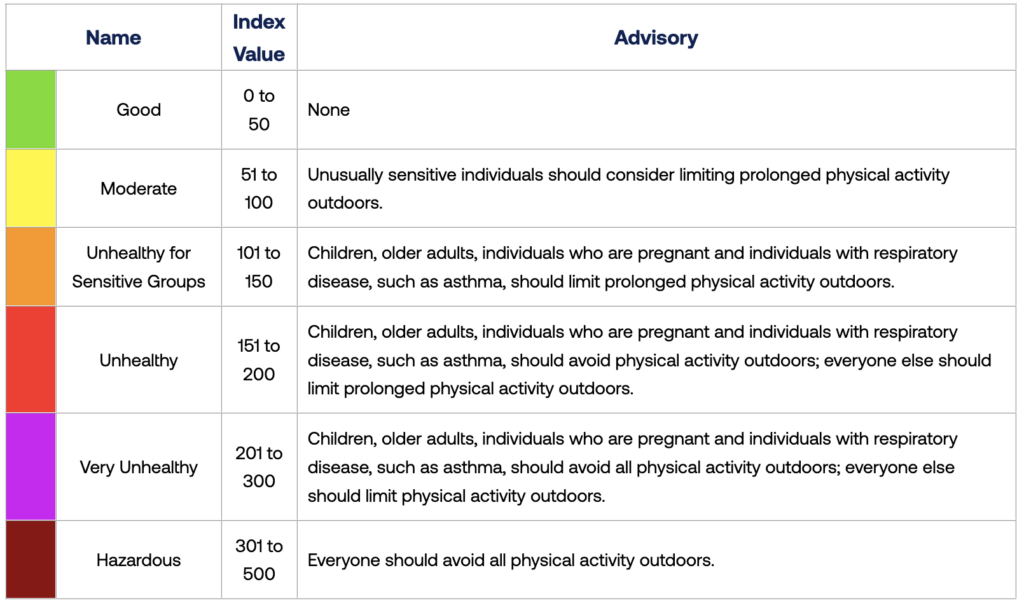
As the PM2.5 gets higher the risk of complications from the particles increases. When it gets to 101 or higher high risk groups are more affected.
These tiny particles are so small that you cannot see them. When you breathe in smoky air, they travel deep into your lungs. Once inside, they cause irritation and swelling.
Who Is Most at Risk?
- People with asthma or COPD.
- Children, because their lungs are still growing.
- Older adults and pregnant women.
- Outdoor workers, like our local builders, landscapers, and mountain staff.
In people with asthma, this smoke can quickly cause coughing, wheezing, and dangerous asthma attacks. This leads to more emergency room visits and hospitalizations.
If you have asthma and are noticing the wildfire smoke is leading to uncontrolled symptoms, it’s important to use your prescribed asthma medication and follow your asthma action plan. If you asthma symptoms are not controlled, it’s essential to reach out to your provider to seek additional care.
Exposure to PM2.5 in wildfire smoke can also affect the immune system even in healthy people. It can reduce the body’s ability to fight infections and cause inflammation throughout the body leading to heart attack, worsening heart failure, stroke or premature death.
Simple Steps to Protect You and Your Family
When the valley fills with haze, you can keep your lungs safe by taking these simple actions at home:
- Check the air first: Before heading outside, check the daily air quality for our zip code at www.airnow.gov. If the air is bad, stay indoors.
- Seal your home: Keep your windows and doors tightly closed.
- Set your air to recirculate: If you use air conditioning or a cabin fan system, set it to “recirculate” so it does not pull smoky air from outside into your living room.
- Use an air filter: Run a portable air cleaner with a HEPA filter in the rooms where you spend the most time.
- Mask up correctly: If you must go outside to work or walk the dog, a regular cloth mask will not stop the tiny smoke particles. You need to wear a tight-fitting N95 mask.
- Take it easy: Avoid heavy outdoor workouts or strenuous hiking when the air looks hazy
- Keep Your Indoor Air Clean: When it is smoky outside, try to avoid activities that create extra pollution inside your house. Do not vacuum your carpets, smoke cigarettes inside, or spray aerosol cans. It is also best to avoid frying or broiling food on the stove until the air clears up.
Need Care?
Vail Health and Colorado Mountain Medical are here to keep our mountain community healthy and strong. If you or a loved one are having trouble breathing during a smoke event, do not wait. Reach out to our local medical team right away for care.