



Snack-Sized Workouts, Big Results: Why Consistency Beats Duration
The all-or-nothing mindset around fitness is quietly fading. In its place is a more flexible, sustainable approach built on shorter, repeatable bouts of movement, often called “snack-sized workouts.” The shift is not just about convenience; it is backed by physiology, performance science and real-world adherence.
“Short sessions lower the barrier and improve consistency,” says health coach Genevieve Harrison of Vail Healthspan. “Frequent aerobic work builds mitochondrial function and efficiency without excess fatigue. It’s a better trade-off than inconsistent big efforts.”
The Case For Less, More Often
Consistency drives adaptation. When movement becomes a daily rhythm rather than a sporadic event, the body responds differently. Regular, moderate aerobic activity improves how efficiently muscles use oxygen, supports metabolic health and strengthens cardiovascular function.
This doesn’t mean intensity has no place. Instead, it’s about balance. Harrison describes a structure familiar to endurance athletes but increasingly relevant to everyday exercisers: one or two purposeful, higher-intensity sessions per week, supported by shorter, low-intensity workouts.
“Recovery is part of the plan, not something I hope happens,” she says.
Breaking the All-or-Nothing Cycle
For many, the biggest barrier to fitness is expectation. The belief that a workout has to be long or punishing to “count” often leads to inconsistency. Miss a day, fall off track, start over Monday. Reframing success as consistency changes that equation.
“A short, easy session still adds up over time,” Harrison says. “When people see lighter days as progress, they stop chasing ‘enough.’”
This mindset shift is key to building a healthier relationship with movement. Exercise becomes something that fits into life instead of disrupting it.
What Happens in 20 Minutes?
Daily 15-20-minute sessions can improve aerobic capacity, coordination and overall durability. These shorter efforts allow the body to adapt without accumulating excessive fatigue, which often leads to burnout or injury in more aggressive training cycles.
“You’re stacking consistent, low-dose work,” Harrison explains. “It’s a steadier way to build a base and stay healthy compared to random hard efforts.”
The cumulative effect matters. Over a week, five 20-minute sessions equal 100 minutes of movement, aligning closely with widely recommended activity levels for health.
Designed for Real Life
Snack-sized workouts aren’t just effective; they’re realistic. For busy professionals, parents or anyone balancing competing demands, shorter sessions are easier to repeat. Harrison, an ultra-runner and mother of two, has adapted her own routine accordingly.
“Kids come first, so I’ve shifted from chasing volume to chasing consistency,” she says. “Short runs, quick strength, mobility when I can. It’s not perfect, but it’s repeatable, and that’s what drives progress.”
The Long Game of Fitness
At Howard Head Medicina Deportiva, where performance and longevity intersect, the message is similar: sustainable training outperforms perfection. Fitness isn’t built in a single session; it’s the result of accumulated effort over time.
Key principles emerge:
- Every session has a purpose, even the short ones
- Easy work enables hard work
- Consistency compounds faster than intensity
- Sustainable routines outperform idealized ones
Rethinking Your Routine
The takeaway isn’t to abandon longer workouts entirely, but to reconsider how they fit into a broader pattern. A single intense session can challenge the body, but consistent, moderate movement changes it.
In practice, that might look like:
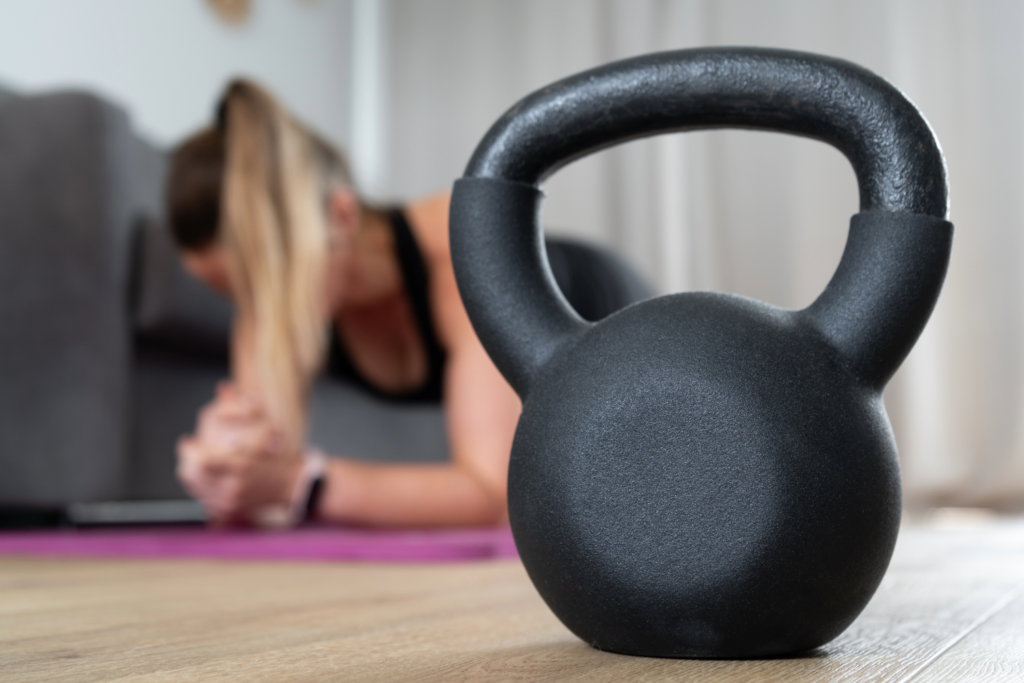
- A brisk 20-minute walk most days
- Short strength circuits at home
- Splitting longer workouts into smaller segments
- Prioritizing frequency over duration
The result is a routine that supports energy, health and long-term fitness without requiring perfection. Because in the end, it’s not the length of any one workout that matters most. It’s how often you show up.
Turn small workouts into lifelong wellness
Snack-sized workouts are a great way to build healthy habits. Whether you’re looking to improve your fitness, prevent injuries or optimize your long-term health, we’re here to help.