




La importancia de la nutrición para la salud durante la menopausia con Vail Healthspan
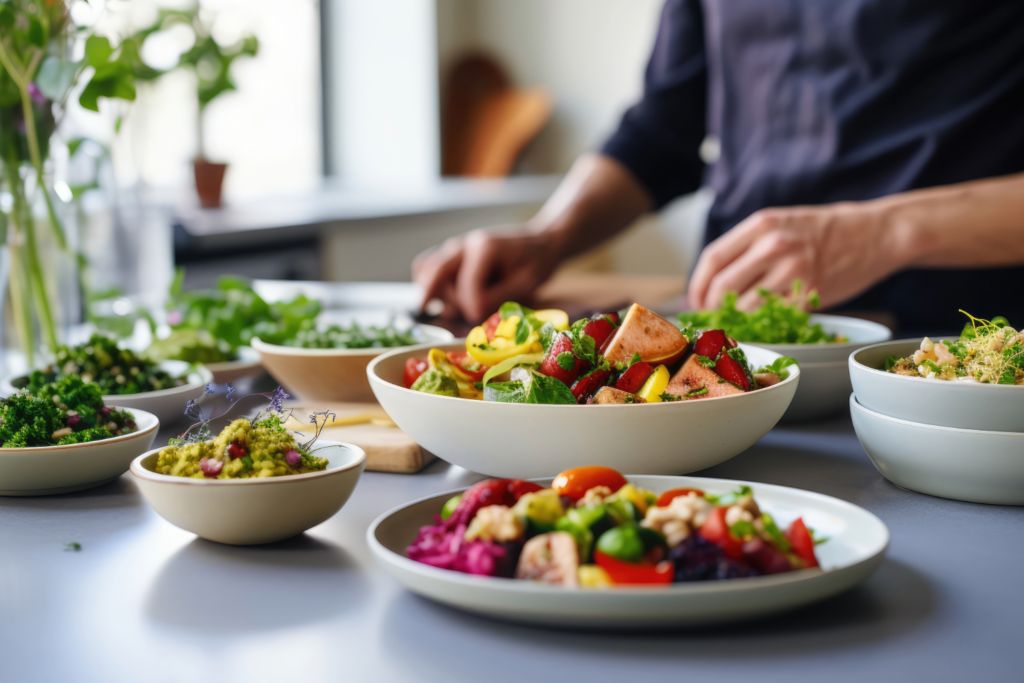
Estos hallazgos se basan en la presentación de Christine Pierangeli en el Evento de Bienestar para Mujeres del 15 de julio: Optimizando el Nutrición y el Movimiento para prosperar en la transición a la menopausia. Durante la sesión, compartió estrategias de nutrición basadas en evidencia, incluido el papel de los alimentos antiinflamatorios, la ingesta adecuada de proteínas y fibra, y el equilibrio del azúcar en sangre para mantener la salud a lo largo de la menopausia.
Alimentación antiinflamatoria
Come Más
- Verduras y bayas
- Frijoles y lentejas
- Aceite de oliva, frutos secos y semillas
- Pescados grasos (salmón, sardinas)
- Hierbas y especias (cúrcuma, jengibre, ajo)
Límite
- Alimentos ultraprocesados, comida frita, comida rápida y carnes procesadas
- Azúcares añadidos
- Exceso de alcohol
¿Por qué importa?
Los niveles bajos de estrógeno pueden aumentar la inflamación, elevando el riesgo de dolor en las articulaciones, resistencia a la insulina, enfermedades cardíacas, pérdida ósea y niebla mental. Una dieta antiinflamatoria ayuda a proteger el cerebro, el corazón, los músculos y los huesos.
Azúcar en la sangre, proteína y fibra
Nivel de azúcar en sangre equilibrado
- La glucosa estable en sangre favorece: la energía, el estado de ánimo, el sueño, la regulación del cortisol
- Consume proteínas en cada comida
- Incluye alimentos ricos en fibra diariamente
- Combina carbohidratos con proteínas y grasas saludables
- No te saltes el desayuno
- Muévete por 10 minutos después de las comidas
Prioriza la Proteína
- A medida que disminuyen los estrógenos, nuestros músculos responden menos a las proteínas, por lo que necesitamos más para mantener la fuerza y el metabolismo.
- Apunta a 25–35 gramos por comida
- Mínimo 100 g por día hasta 1 gramo por libra de peso corporal ideal.
- La proteína ayuda a preservar el músculo, apoya la salud ósea, estabiliza el azúcar en la sangre, mantiene el metabolismo y promueve un envejecimiento saludable.
Enfócate en la fibra
- Apunte a 25–35 gramos por día
- Las mejores fuentes de fibra son las verduras, las bayas, los frijoles y las lentejas.
- Avena, granos integrales, chía, linaza, nueces y semillas
- La fibra ayuda a alimentar el microbioma intestinal, reduce la inflamación, equilibra el azúcar en la sangre, apoya la salud del corazón y promueve la regularidad.