



El cerebro en la menopausia con Kyler Hijmans

Estas ideas se basan en la presentación de Kyler Hijmans, DNP, FNP-BC en el evento "Women's Wellness Event: Menopause Reimagined" del 23 de junio. Durante la sesión, Kyler exploró la transición menopáusica a través de una perspectiva neurológica y basada en sistemas, destacando cómo la disminución del estradiol y los cambios hormonales relacionados influyen en la estructura, el metabolismo y la función cerebral. La discusión se centró en cómo la menopausia no es solo una transición reproductiva, sino también una transición cerebral que puede afectar la cognición, el estado de ánimo, el sueño y la resiliencia al estrés.
La menopausia a menudo se discute en términos de cambios hormonales, pero su impacto se extiende mucho más allá de la biología reproductiva. Una de las áreas de cambio más importantes y, a menudo, menos comprendidas, ocurre en el cerebro. La disminución del estradiol juega un papel central en los cambios cerebrales durante la menopausia. Estos cambios hormonales desencadenan modificaciones estructurales, metabólicas, funcionales y moleculares en todo el cerebro que pueden influir en la cognición, el estado de ánimo, el sueño y la resiliencia general. La investigación muestra que los síntomas relacionados con el cerebro afectan hasta el 80 por ciento de las mujeres durante la transición menopáusica.
Si alguna vez has sentido que “ya no te sientes como tú mismo”, no estás solo. Estas experiencias son comunes, impulsadas por factores biológicos y a menudo temporales con el apoyo adecuado.
Los tres clústeres de síntomas cerebrales principales en la menopausia
Cambios Cognitivos, a menudo descritos como Niebla Mental
Muchas mujeres reportan cambios cognitivos durante la menopausia, incluyendo olvidos, dificultad para concentrarse, problemas para encontrar palabras y lentitud mental. Estos síntomas a menudo se describen como “niebla mental” y están estrechamente relacionados con cambios hormonales que afectan el metabolismo cerebral y la señalización neuronal.
Cambios de humor y cambios emocionales
La depresión y la ansiedad afectan aproximadamente del 30 al 40 por ciento de las mujeres durante la transición menopáusica. Las investigaciones muestran que las tasas de depresión en esta etapa son de dos a tres veces mayores que en las mujeres premenopáusicas.
Estos cambios están influenciados por múltiples mecanismos biológicos, que incluyen la señalización alterada de serotonina y norepinefrina, la desregulación del eje Hipotálamo-Pituitario-Adrenal (HPA) y el aumento de la neuroinflamación. En conjunto, estos cambios pueden afectar la regulación emocional, la tolerancia al estrés y el bienestar mental general.
Interrupción del sueño y sus efectos dominó
La interrupción del sueño afecta a un estimado del 40 al 69 por ciento de las mujeres durante la menopausia. Si bien los síntomas vasomotores como los sudores nocturnos pueden desempeñar un papel, los cambios en el sueño también ocurren independientemente de los sofocos debido a las fluctuaciones hormonales que influyen en los sistemas de regulación del sueño-despertar del cerebro.
La interrupción del sueño tiene un efecto en cascada en la cognición, el estado de ánimo, la resiliencia y la salud cerebral a largo plazo, lo que lo convierte en uno de los factores más importantes a abordar durante esta transición.
Protección de la salud cerebral durante la menopausia
Terapia Hormonal como Parte de una Estrategia más Amplia
La terapia hormonal puede ayudar a mantener la salud cerebral durante la menopausia cuando se usa de manera apropiada y bajo supervisión clínica. Puede actuar en sinergia con intervenciones nutricionales, de ejercicio y de estilo de vida para favorecer la resiliencia cognitiva y emocional general. Se alienta a las pacientes a discutir opciones individualizadas con su proveedor como parte de un plan de atención integral.
La salud cardiovascular es salud cerebral
La menopausia es una transición tanto cardiometabólica como neurobiológica. Los mismos sistemas que apoyan la salud cardiovascular también desempeñan un papel crítico en la protección del cerebro. La detección anual de marcadores clave como la presión arterial, los niveles de lípidos, el azúcar en la sangre, la salud metabólica y el riesgo cardiovascular general puede ayudar a identificar oportunidades tempranas para la intervención.
Un principio fundamental para la salud cerebral es simple pero poderoso: proteger el cerebro comienza con proteger los vasos sanguíneos.
Ejercicio: La Intervención Cerebral No Hormonal Más Poderosa
El ejercicio es una de las intervenciones no hormonales con mayor respaldo para la salud cerebral durante la menopausia. Se ha demostrado que aumenta el volumen de materia gris, mejora el flujo sanguíneo cerebral, potencia la producción del factor neurotrófico derivado del cerebro, apoya la señalización del IGF-1 y mejora la función ejecutiva y la memoria.
Los enfoques efectivos incluyen ejercicio aeróbico, entrenamiento de resistencia, entrenamiento de equilibrio y programas de movimiento multicomponente. El movimiento es medicina para el cerebro menopáusico.
Fundamentos de Nutrición y Estilo de Vida
La nutrición juega un papel crítico en el apoyo a la salud cerebral durante la mediana edad. Las áreas clave de enfoque incluyen los ácidos grasos omega-3, la regulación del azúcar en sangre, los patrones de alimentación antiinflamatoria y una ingesta adecuada de proteínas y nutrientes. Estos aportes apoyan tanto el metabolismo cerebral como la resiliencia sistémica.
Apoyo Psicosocial y Cognitivo
Las intervenciones psicológicas y sociales también son componentes importantes de la salud cerebral. La terapia cognitivo-conductual, las estrategias de apoyo del estado de ánimo, las herramientas de manejo de síntomas cognitivos y una fuerte conexión social pueden ayudar a apoyar la regulación emocional y la claridad cognitiva durante la menopausia.
El Sistema Nervioso en la Menopausia
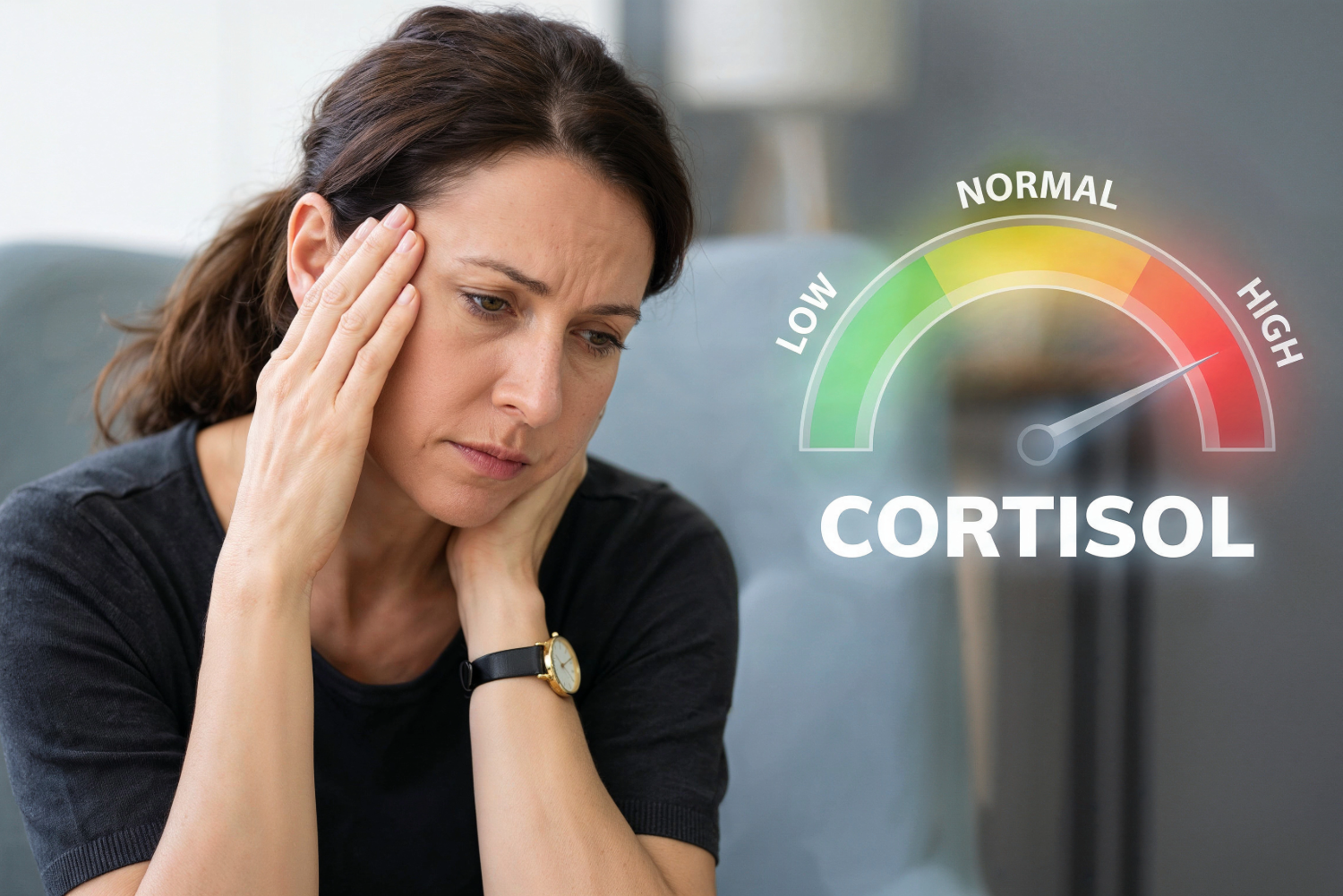
Los cambios hormonales también influyen en cómo el sistema nervioso responde al estrés. Muchas mujeres experimentan una mayor sensibilidad al estrés crónico, interrupciones del sueño y sobrecarga emocional durante esta etapa. Los cambios en el eje HPA pueden conducir a una mayor reactividad al cortisol y a una menor capacidad de recuperación del estrés. Como resultado, las experiencias que antes parecían manejables pueden empezar a sentirse más agotadoras.
El desafío oculto de la cultura de la sobreactuación
Para muchas mujeres, los síntomas de la mediana edad se ven agravados por las presiones del estilo de vida y culturales. Años de responsabilidades de cuidado, exigencias de productividad, perfeccionismo, trabajo emocional y sacrificio personal crónico a menudo dejan poco espacio para la recuperación.
Muchas mujeres llegan a esta etapa habiendo pasado años cuidando de todos menos de sí mismas.
La recuperación se convierte en una estrategia de salud central
Durante la menopausia, la recuperación ya no es opcional. Se convierte en una estrategia de salud fundamental que apoya la resiliencia tanto del cerebro como del cuerpo. Los dominios clave de recuperación incluyen el sueño, la reducción del estrés, el movimiento, la nutrición, la conexión, el propósito y el aprendizaje permanente o la novedad. El cerebro prospera en entornos caracterizados por la seguridad, la conexión, el movimiento, el sueño adecuado, el desafío y el significado. No prospera en el agobio crónico.
Puntos Clave
La niebla mental, los cambios de humor y las alteraciones del sueño son comunes y biológicamente impulsados durante la menopausia. La menopausia no es solo una transición reproductiva, sino también una transición cerebral moldeada por cambios hormonales, metabólicos y neurológicos. Los mismos comportamientos que apoyan la longevidad también apoyan la salud cerebral, y la recuperación, la resiliencia y la regulación del sistema nervioso se vuelven cada vez más importantes durante la mediana edad.
Se puede hacer mucho para apoyar la función cognitiva, el bienestar emocional y la calidad de vida general durante esta transición.
Apoyo Personalizado para un Envejecimiento Saludable
Explore Pathways Personalizados que Apoyan la Salud Hormonal, la Función Metabólica y la Vitalidad a Largo Plazo a Través de Cada Etapa de la Menopausia y Más Allá.