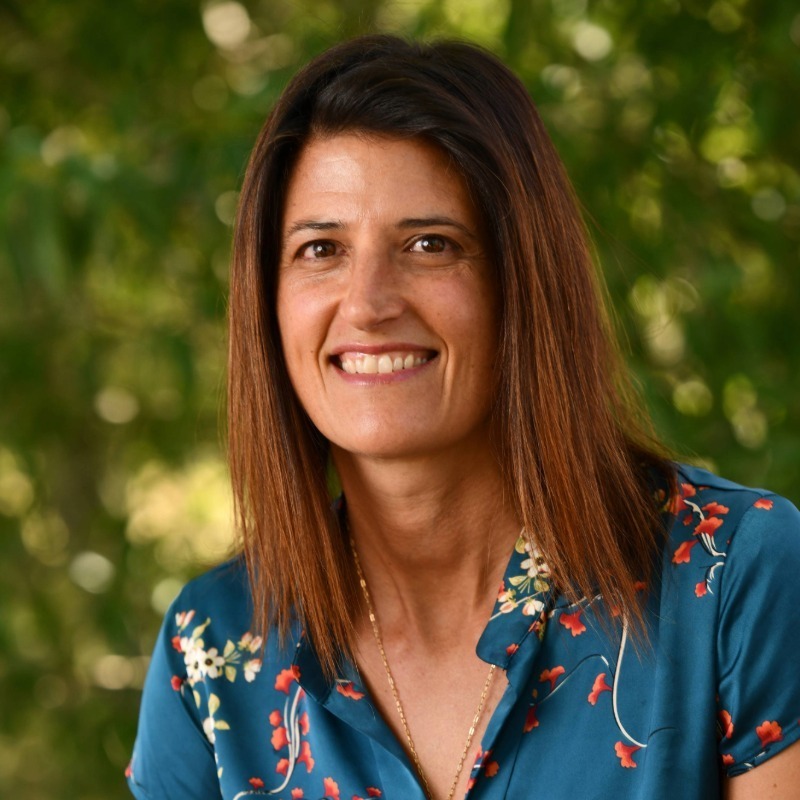




La menopausia es más que una historia hormonal con Eliza Klearman y Lilia Brown

Estas ideas se basan en la presentación de Eliza Klearman y Lilia Brown en el evento de Bienestar para la Mujer del 23 de junio: Menopausia Reimaginada. La sesión exploró la menopausia a través de una lente más amplia de biología, resiliencia y longevidad saludable, destacando cómo los cambios hormonales se cruzan con la salud celular, la inflamación y las exigencias acumuladas de la vida.
La menopausia a menudo se explica como una simple historia de cambios en los niveles hormonales. Y si bien los cambios hormonales son una parte importante de la transición, son solo una pieza de un panorama biológico mucho más amplio. Para comprender verdaderamente por qué la menopausia puede sentirse tan profunda, física, mental y emocionalmente, es útil mirar más allá de las hormonas y explorar cómo el cuerpo envejece, se repara y mantiene la resiliencia con el tiempo. En Vail Healthspan, abordamos la menopausia no como un evento hormonal único, sino como una transición de resiliencia de todo el cuerpo que está moldeada por la salud celular, la inflamación, la producción de energía y las exigencias acumuladas de la vida.
Tu cuerpo se repara constantemente a sí mismo
Todos los días, el cuerpo humano realiza un mantenimiento extraordinario tras bambalinas. Incluso en reposo, tu biología trabaja activamente para mantenerte vivo y funcionando. Esto incluye reparar células dañadas, producir energía, regular la inflamación, combatir infecciones, reconstruir huesos y músculos, mantener la función cerebral y reemplazar células viejas por otras nuevas. Durante gran parte de la vida, estos procesos ocurren de forma automática y eficiente. Sin embargo, con el tiempo, los efectos acumulativos del estrés, el entorno y el envejecimiento comienzan a influir en la eficacia con la que el cuerpo puede mantenerse al día.
El Exposoma: La vida que has vivido
En medicina de la longevidad, un concepto clave es el exposoma, que se refiere a la suma total de todo a lo que el cuerpo está expuesto a lo largo de la vida. Esto incluye nutrición e hidratación, calidad del aire y del medio ambiente, estrés y carga emocional, patrones de sueño, actividad física, enfermedades e infecciones, medicamentos, traumas y experiencias de vida, relaciones y conexión social, y el paso del tiempo mismo.
Piensa en ello como una mochila. Cada factor de estrés añade un pequeño peso. Durante décadas, el cuerpo soporta esa carga notablemente bien. Sin embargo, eventualmente, muchas mujeres comienzan a sentir el peso acumulado con mayor claridad durante las transiciones de la mitad de la vida, como la menopausia.
Reparación del ADN y Biología del Envejecimiento
Dentro de cada célula se encuentra el ADN, el manual de instrucciones sobre cómo funciona el cuerpo. Todos los días, se producen pequeñas cantidades de daño en el ADN. Esto es completamente normal. Cuando somos más jóvenes, los sistemas de reparación son muy eficientes. A medida que envejecemos, esos sistemas siguen funcionando, pero de manera menos precisa y menos constante. Con el tiempo, se acumula un poco más de daño mientras que ocurre un poco menos de reparación. Este cambio es uno de los procesos biológicos fundamentales del envejecimiento.
Mitocondrias: Tu Sistema de Energía Celular
Las mitocondrias a menudo se describen como las centrales eléctricas de la célula. Convierten los alimentos y el oxígeno en energía utilizable que impulsa todo, desde el movimiento hasta la cognición. Juegan un papel central en los niveles de energía, la función cerebral, la fuerza y recuperación muscular, la resiliencia al estrés y el envejecimiento saludable. A medida que la eficiencia mitocondrial disminuye con la edad, muchas mujeres notan menor energía, recuperación más lenta, mayor fatiga y menor tolerancia al estrés. Estos cambios no se tratan simplemente de hormonas, sino que reflejan cambios en la producción de energía celular.
Estrés Oxidativo: El Desgaste de la Biología
Una forma útil de entender el envejecimiento es a través del estrés oxidativo, que es similar al óxido que se forma en el metal con el tiempo. El cuerpo produce subproductos oxidativos de forma natural durante el metabolismo. En un sistema equilibrado, los mecanismos antioxidantes y de reparación gestionan esto de manera efectiva. Sin embargo, cuando se combina con estrés crónico, falta de sueño, inflamación, toxinas ambientales y disfunción metabólica, el equilibrio puede inclinarse hacia un mayor desgaste celular y una menor reparación.
Dónde encajan las hormonas en el panorama general
El estrógeno y la progesterona a menudo se describen como hormonas reproductivas, pero su influencia se extiende mucho más allá de la reproducción. Apoyan la función cerebral y la estabilidad del estado de ánimo, la calidad del sueño, el mantenimiento de huesos y músculos, la salud metabólica, el equilibrio inmunológico, la regulación de la inflamación y la recuperación y la resiliencia.
El estrógeno apoya
Procesos de reparación celular, función mitocondrial, defensas antioxidantes, metabolismo cerebral, salud cardiovascular y equilibrio inmunológico.
La progesterona apoya
Calma y regulación emocional, calidad del sueño, equilibrio del sistema nervioso y resiliencia al estrés.
Las hormonas no detienen el envejecimiento, pero ayudan a amortiguar muchos de los procesos biológicos que influyen en cómo se experimenta el envejecimiento. A medida que los niveles de estrógeno y progesterona disminuyen durante la menopausia, algunos de estos efectos protectores se vuelven menos pronunciados, lo que puede hacer que la biología subyacente sea más visible.
Inflammaging: El lento aumento de la inflamación crónica
Los investigadores usan el término “inflammaging” para describir el aumento gradual de inflamación de bajo grado que ocurre con la edad. Esto no es una enfermedad, sino más bien un cambio en las señales biológicas de referencia. A medida que la inflamación aumenta y los sistemas de resiliencia se vuelven menos eficientes, las mujeres pueden notar molestias en las articulaciones, niebla mental, fatiga, recuperación más lenta, alteraciones del sueño, cambios en el peso abdominal, mayor sensibilidad al estrés, cambios en la piel y brotes autoinmunes. Estos síntomas a menudo reflejan la interacción de la inflamación, la salud metabólica, la regulación del sistema nervioso y el estrés vital.
La menopausia es una transición de resiliencia
La menopausia a menudo se describe de forma limitada como una transición hormonal. En realidad, se entiende mejor como una transición de resiliencia, un momento en el que convergen múltiples factores biológicos y vitales.
En esta etapa, están sucediendo tres cosas a la vez:
1. Las hormonas están cambiando
El estrógeno y la progesterona disminuyen, afectando el sueño, el estado de ánimo, el metabolismo, la densidad ósea y la recuperación.
2. La biología del envejecimiento continúa
La reparación celular se ralentiza, las mitocondrias se vuelven menos eficientes y la inflamación aumenta gradualmente.
3. Las exigencias de la vida a menudo están en su punto máximo
Presiones laborales, paternidad o vuelo de los hijos, envejecimiento de los padres, cambios en las relaciones, cuidado de personas y estrés crónico.
Es la intersección de estas fuerzas, no un solo factor, lo que da forma a la experiencia de la menopausia.
Apoyando la Resiliencia Durante la Menopausia y Más Allá
Las herramientas más poderosas para apoyar la longevidad saludable durante esta transición son fundamentales en lugar de estar de moda. Incluyen priorizar el sueño y la recuperación profunda, regular el sistema nervioso, mantener la masa muscular a través del entrenamiento de fuerza, apoyar la estabilidad del azúcar en sangre, reducir la carga de estrés crónico, construir conexiones y una comunidad significativas, reintroducir la alegría y el juego, apoyar un estilo de vida antiinflamatorio y reducir la carga ambiental y tóxica siempre que sea posible.
Estos insumos influyen directamente en la inflamación, la función inmunológica, la salud metabólica, la función cerebral y la resiliencia a largo plazo.
Una perspectiva de vida saludable sobre la menopausia
En Vail Health y Vail Healthspan, vemos la menopausia a través de una lente diferente, no como un declive, sino como una señal para recalibrar. Cuando comprendemos la biología completa detrás de esta transición, ganamos la capacidad de apoyar a las mujeres no solo en el manejo de los síntomas, sino a través de la resiliencia, la vitalidad y la longevidad a largo plazo.
Las hormonas son importantes, pero son solo una parte de la historia. La historia más amplia trata sobre cómo el cuerpo envejece, se adapta y continúa reconstruyéndose a lo largo de la vida.
Apoyo Personalizado para un Envejecimiento Saludable
Explore Pathways Personalizados que Apoyan la Salud Hormonal, la Función Metabólica y la Vitalidad a Largo Plazo a Través de Cada Etapa de la Menopausia y Más Allá.